Enjoy 10% off on herbal remedies! Sign up Now!

Tulsi (Holy Basil)
Tulsi Tea: Traditional Uses, Preparation & Sacred Traditions
12/30/20252 min read
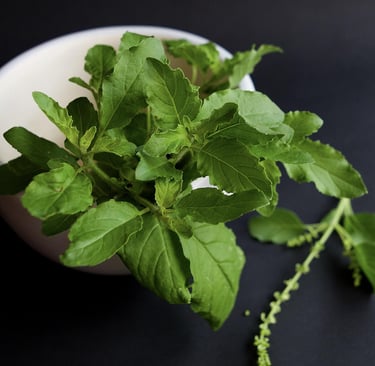
Tulsi (Holy Basil) Tea: Traditional Uses, Preparation & Sacred Traditions
Introduction
Tulsi, also known as Holy Basil, has been traditionally used in herbal and spiritual practices for thousands of years, particularly within South Asian cultures. Revered not only as an herb but as a sacred plant, tulsi has long been incorporated into daily rituals centered around balance, devotion, and conscious living. Commonly prepared as a tea or infusion, tulsi is deeply associated with practices of grounding, clarity, and inner alignment.
Within traditional contexts, tulsi is appreciated not for force or immediacy, but for its harmonizing and centering presence, often used consistently as part of a mindful daily routine.
What Is Tulsi (Holy Basil)?
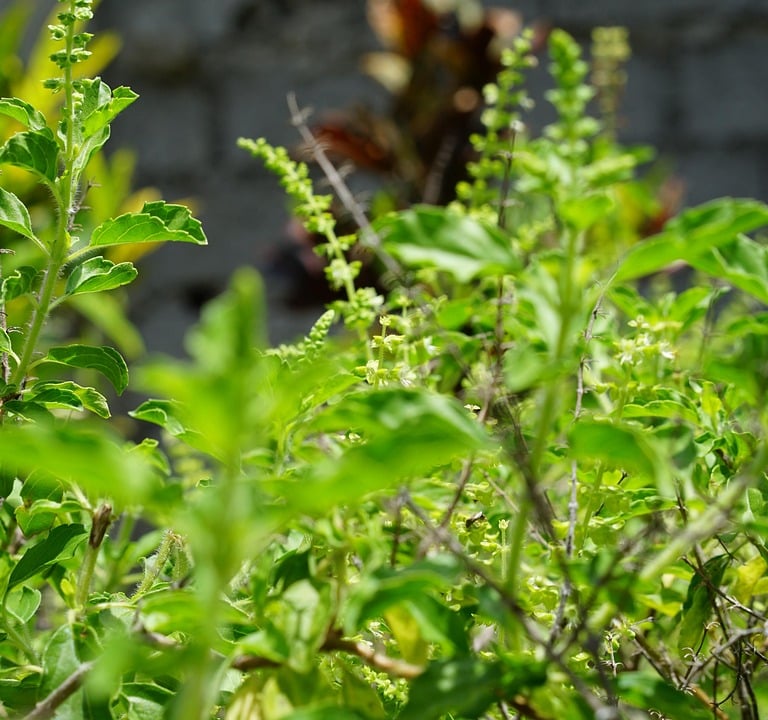
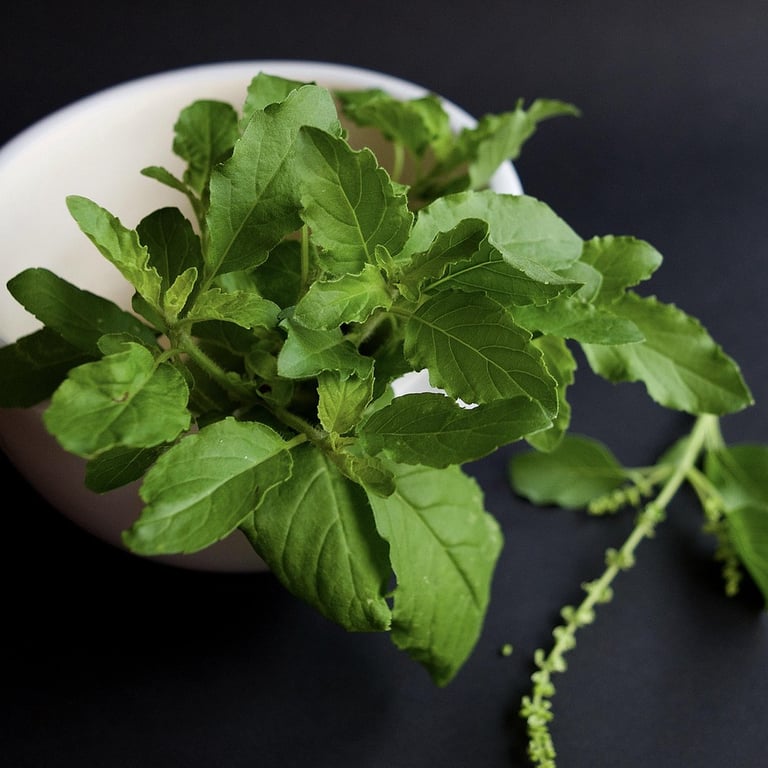
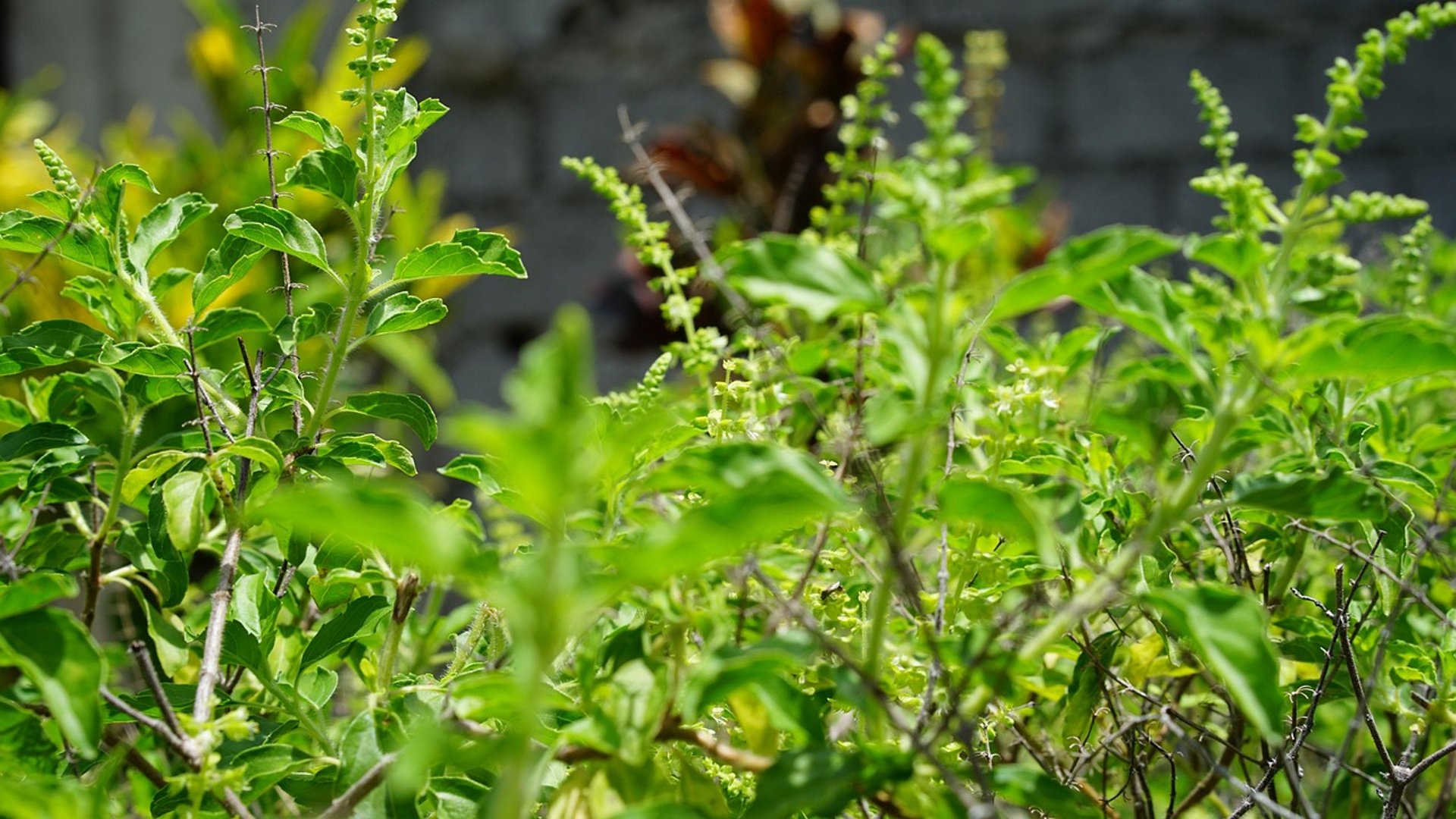
Tulsi (Ocimum tenuiflorum or Ocimum sanctum) is an aromatic plant belonging to the mint family (Lamiaceae), native to the Indian subcontinent. The leaves and flowering tops are the parts most commonly used in traditional preparations.
Unlike culinary basil, tulsi has a more complex, spicy aroma and is cultivated not only for herbal use but also for ceremonial and devotional purposes. In many traditions, tulsi plants are grown near homes or temples and cared for with reverence.
Traditional & Cultural Uses of Tulsi
Tulsi holds a unique place in cultural and spiritual traditions:
Ayurvedic traditions regard tulsi as a foundational plant associated with balance and longevity.
Hindu cultural practices honor tulsi as a sacred botanical, often incorporated into daily prayer and household rituals.
Traditional herbal systems used tulsi tea as part of consistent morning or evening routines.
Devotional traditions emphasized tulsi’s role in cultivating clarity, intention, and presence.
Across cultures, tulsi was traditionally used as a daily companion herb, supporting steady alignment rather than short-term effects.
How Tulsi Is Traditionally Prepared
Tulsi is most often prepared as a tea or gentle infusion, preserving its aromatic and uplifting qualities.
Tulsi Tea (Infusion)
This is the most common traditional preparation.
Traditional preparation method:
Add fresh or dried tulsi leaves to hot (not boiling) water
Cover and steep for 5–10 minutes
Strain and enjoy warm
Herbal Blends
Tulsi is frequently paired with herbs such as:
Ginger root
Cinnamon
Lemon balm
These blends are traditionally enjoyed as part of morning rituals or grounding evening practices.
Ritual & Devotional Use
Beyond tea, tulsi has historically been used in devotional offerings, aromatic practices, and intentional daily rituals—highlighting its role beyond physical preparation.
Taste & Sensory Profile
Tulsi has a warm, slightly spicy, and subtly sweet flavor.
Sensory characteristics include:
Clove-like and peppery notes
Fresh, green undertones
Smooth, uplifting finish
Its balanced profile makes tulsi suitable for daily use and blending.
Ritual & Energetic Associations
Traditionally, tulsi has been associated with:
Sacredness and devotion
Balance and clarity
Protection and grounding
Conscious daily living
In ritual contexts, tulsi symbolizes alignment between body, mind, and spirit. Preparing tulsi tea has often been viewed as a mindful pause—an invitation to begin or end the day with intention and presence.
Tulsi in Herbal Traditions Today
Today, tulsi continues to be honored in both herbal education and spiritual practice. Its long-standing cultural significance and versatility make it a cornerstone in modern herbal guides focused on balance, ritual, and intentional living.
Tulsi reminds us that herbal practices are not only about what we consume, but how and why we engage with them.
Related Herbal Guides
If you’re exploring tulsi, you may also enjoy learning about:
Ashwagandha – traditionally associated with grounding and resilience
Licorice Root – harmonizing and balancing in herbal blends
Ginger Root – warming and supportive in ritual preparations
(Part of the Flora Amora Herbal Knowledge Library.)
Tulsi & Flora Amora
Tulsi is featured in select Flora Amora herbal blends, thoughtfully paired with complementary botanicals to honor traditional preparation methods and sacred daily rituals.
Educational Disclaimer
This content is for educational purposes only and reflects traditional and cultural herbal practices. It is not intended to diagnose, treat, or cure any condition.