Enjoy 10% off on herbal remedies! Sign up Now!
Thyme
Thyme Tea: Traditional Uses, Preparation & Seasonal Rituals
12/30/20252 min read
Thyme Tea: Traditional Uses, Preparation & Seasonal Rituals
Introduction
Thyme has been traditionally used in herbal practices across cultures for centuries, valued for its strong aroma, warming presence, and role in seasonal and household rituals. Commonly prepared as a tea or infusion, thyme has long been incorporated into practices centered around resilience, transition, and environmental balance.
Within traditional herbal contexts, thyme is appreciated not for subtlety, but for its assertive yet grounding nature—often used during colder months or times when strength, steadiness, and clarity are emphasized.
What Is Thyme?
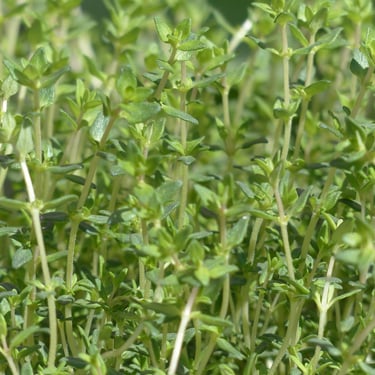
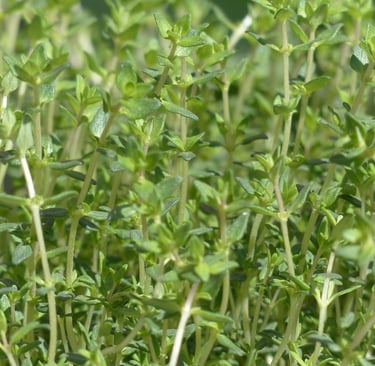
Thyme (Thymus vulgaris) is a low-growing, woody herb native to the Mediterranean region and a member of the mint family (Lamiaceae). The leaves and flowering tops are the parts most commonly used in traditional herbal preparations.
Thyme thrives in dry, sunny environments and has been cultivated since ancient times. Its pungent aroma and evergreen character made it a staple herb in both culinary and herbal traditions, often kept close at hand in household gardens.
Traditional & Cultural Uses of Thyme
Thyme appears throughout many historical herbal systems:
Mediterranean traditions used thyme in teas, broths, and daily tonics during colder seasons.
European folk herbalism valued thyme as a protective and strengthening household herb.
Ancient Greek culture associated thyme with courage, vitality, and fortitude.
Rural traditions often relied on thyme as a dependable herb during seasonal transitions.
Across cultures, thyme was traditionally used not as a quick intervention, but as part of consistent, seasonal routines that supported endurance and balance.
How Thyme Is Traditionally Prepared
Thyme is most often prepared as a tea or infusion, allowing its aromatic compounds to gently release into warm water.
Thyme Tea (Infusion)
This is the most common traditional preparation.
Traditional preparation method:
Add dried or fresh thyme leaves to hot (not boiling) water
Cover and steep for 5–10 minutes
Strain and enjoy warm
Herbal Blends
Thyme is frequently paired with herbs such as:
Ginger root
Sage
Rosemary
These blends are traditionally associated with seasonal rituals and warming preparations.
Aromatic & Household Use
Beyond teas, thyme has historically been used in aromatic steams and household rituals, emphasizing its role as an herb connected to environmental clarity and freshness.
Taste & Sensory Profile
Thyme has a strong, earthy, and slightly spicy flavor.
Sensory characteristics include:
Sharp, herbal aroma
Warm, savory taste
Lingering, grounding finish
Because of its potency, thyme is often used in smaller amounts or balanced with softer herbs.
Ritual & Energetic Associations
Traditionally, thyme has been associated with:
Strength and resilience
Seasonal protection
Clarity and courage
Steady vitality
In ritual contexts, thyme symbolizes fortitude and preparedness. Preparing thyme tea has often been viewed as an act of reinforcement—supporting the body and spirit through attentiveness and consistency.
Thyme in Herbal Traditions Today
Today, thyme remains a respected herb in traditional herbal education. Its historical use continues to inform modern guides focused on seasonal awareness, ritual preparation, and grounded routines.
Thyme reminds us that stability is often cultivated through small, intentional practices repeated over time.
Related Herbal Guides
If you’re exploring thyme, you may also enjoy learning about:
Sage – traditionally used in cleansing and seasonal rituals
Rosemary – aromatic clarity and remembrance traditions
Ginger Root – warming and grounding preparations
(Part of the Flora Amora Herbal Knowledge Library.)
Thyme & Flora Amora
Thyme is featured in select Flora Amora herbal blends, thoughtfully paired with complementary botanicals to honor traditional preparation methods and seasonal rituals.
Educational Disclaimer
This content is for educational purposes only and reflects traditional and cultural herbal practices. It is not intended to diagnose, treat, or cure any condition.