Enjoy 10% off on herbal remedies! Sign up Now!
Slippery Elm
Slippery Elm Tea: Traditional Uses, Preparation & Nourishing Traditions
12/30/20252 min read
Slippery Elm Tea: Traditional Uses, Preparation & Nourishing Traditions
Introduction
Slippery elm has been traditionally used in herbal practices across cultures for centuries, valued for its softening nature, gentle nourishment, and association with restoration and comfort. Commonly prepared as a tea or porridge-like infusion, slippery elm has long been incorporated into routines centered around soothing, grounding, and patient care.
Within traditional herbal contexts, slippery elm is appreciated not for intensity or immediacy, but for its deeply nurturing presence—often chosen when the body calls for gentleness, warmth, and sustained support.
What Is Slippery Elm?
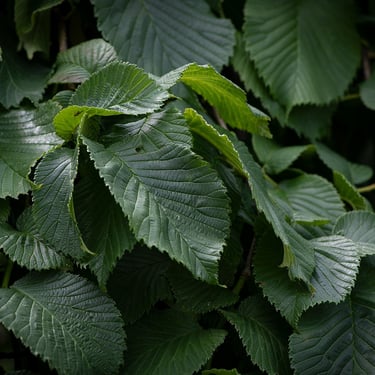
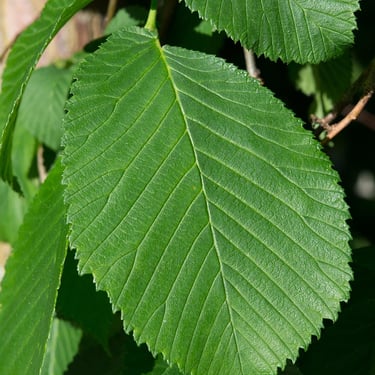
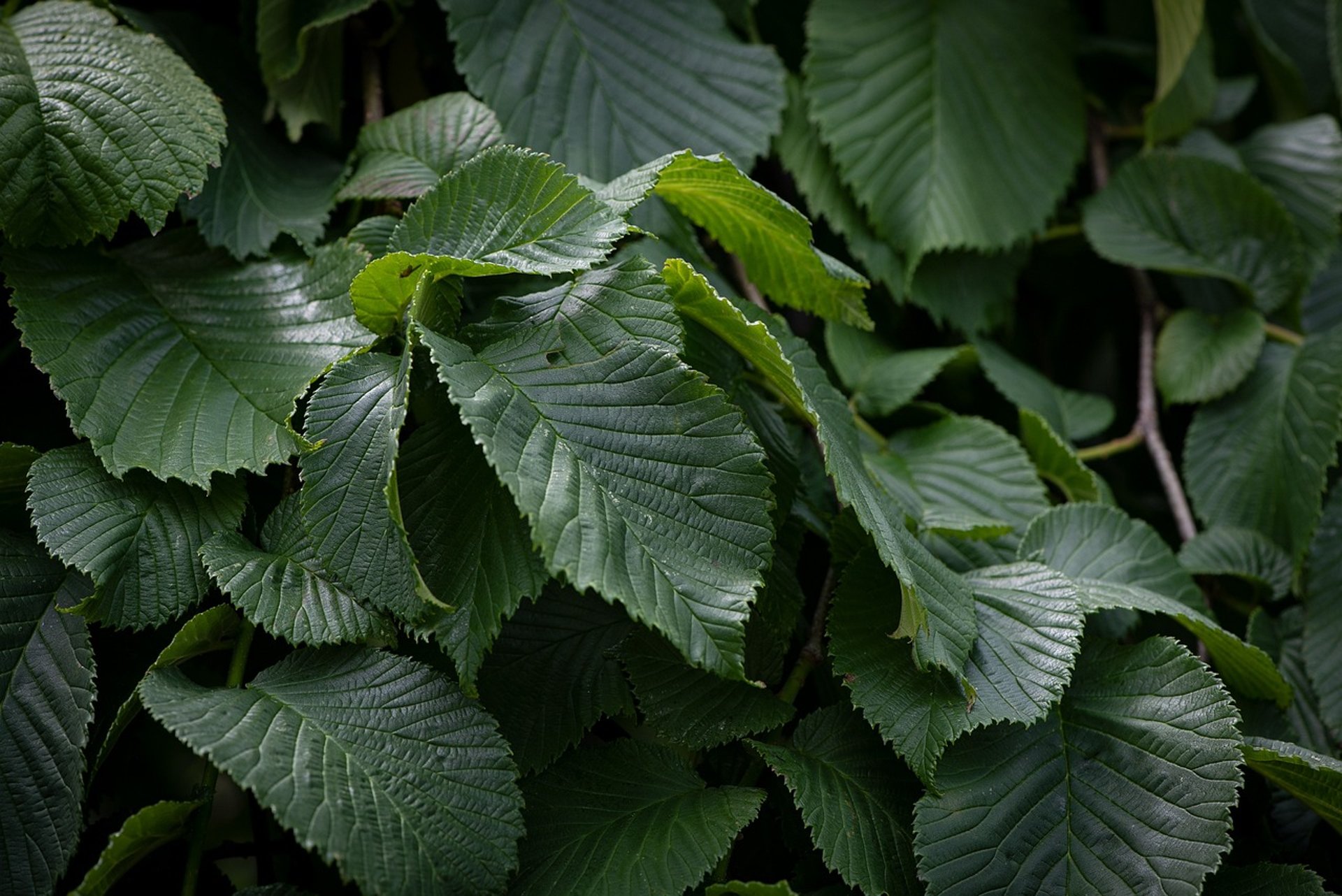
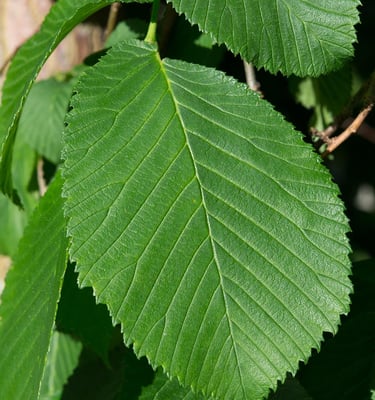
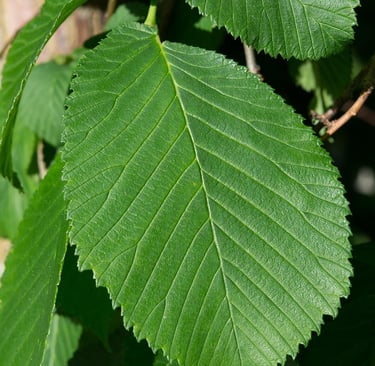
Slippery elm (Ulmus rubra) is a deciduous tree native to North America. In traditional herbal preparations, the inner bark is the primary part used. When mixed with water, the bark produces a thick, mucilaginous texture, which has historically defined its use in soothing preparations.
Slippery elm has long been respected in Indigenous and folk herbal traditions, where it was gathered with care and used as both a food and an herbal preparation during times of need.
Traditional & Cultural Uses of Slippery Elm
Slippery elm appears throughout many traditional practices:
Indigenous North American traditions used slippery elm as a nourishing and sustaining preparation.
European settler herbalism adopted slippery elm into household remedies and gruels.
Traditional caregiving practices often relied on slippery elm during periods of weakness or recovery.
Seasonal traditions incorporated slippery elm during colder months or times of depletion.
Across cultures, slippery elm was traditionally used when soft nourishment and patience were more important than stimulation or force.
How Slippery Elm Is Traditionally Prepared
Slippery elm is prepared in ways that preserve its unique, thickening qualities.
Slippery Elm Tea or Gruel (Infusion)
Because of its texture, slippery elm is often mixed slowly into liquid rather than steeped like a leaf.
Traditional preparation method:
Add powdered slippery elm bark to warm (not boiling) water
Stir continuously to prevent clumping
Allow to thicken slightly before consuming
This preparation creates a smooth, porridge-like drink traditionally consumed slowly.
Herbal Blends
Slippery elm is frequently paired with herbs such as:
Marshmallow root
Licorice root
Linden flower
These combinations are traditionally associated with deep nourishment and soothing rituals.
Taste & Sensory Profile
Slippery elm has a mild, neutral, and slightly earthy flavor.
Sensory characteristics include:
Soft, unobtrusive aroma
Subtle earthiness
Thick, coating mouthfeel
Its neutral taste makes slippery elm adaptable to a variety of traditional preparations.
Ritual & Energetic Associations
Traditionally, slippery elm has been associated with:
Nourishment and restoration
Patience and care
Softening and grounding
Sustained support
In ritual contexts, slippery elm symbolizes comfort through consistency. Preparing slippery elm tea has often been viewed as an act of deep nourishment—offering steadiness when the body or spirit feels depleted.
Slippery Elm in Herbal Traditions Today
Today, slippery elm remains a respected botanical in traditional herbal education. Its continued use reflects an understanding that nourishment is not always light or stimulating, but sometimes thick, grounding, and deeply supportive.
Slippery elm reminds us that restoration often comes through slowing down and receiving, rather than striving or forcing change.
Related Herbal Guides
If you’re exploring slippery elm, you may also enjoy learning about:
Marshmallow Root – softening and soothing traditions
Licorice Root – harmonizing and nourishing blends
Linden Flower – gentle comfort rituals
(Part of the Flora Amora Herbal Knowledge Library.)
Slippery Elm & Flora Amora
Slippery elm is featured in select Flora Amora herbal blends, thoughtfully paired with complementary botanicals to honor traditional preparation methods and nourishing rituals.
Educational Disclaimer
This content is for educational purposes only and reflects traditional and cultural herbal practices. It is not intended to diagnose, treat, or cure any condition.