Enjoy 10% off on herbal remedies! Sign up Now!
Skullcap
Skullcap Tea: Traditional Uses, Preparation & Nervous System Rituals
12/30/20252 min read
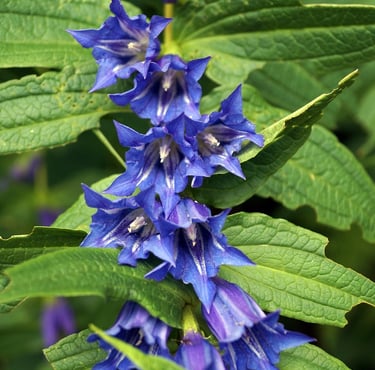
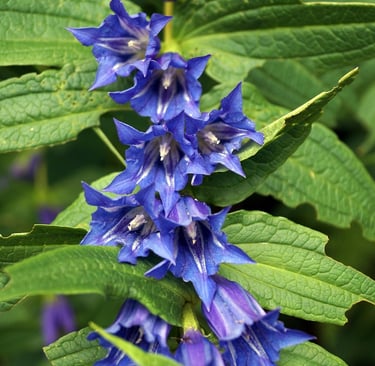
Skullcap Tea: Traditional Uses, Preparation & Nervous System Rituals
Introduction
Skullcap has been traditionally used in herbal practices across cultures for centuries, valued for its quieting presence, grounding nature, and association with rest and restoration. Commonly prepared as a tea or infusion, skullcap has long been incorporated into evening routines and moments of intentional stillness.
Within traditional herbal contexts, skullcap is appreciated not as a stimulating or forceful herb, but as a settling botanical—often chosen when the body and mind seek calm, containment, and gentle unwinding.
What Is Skullcap?
Skullcap refers to several species within the Scutellaria genus, most commonly Scutellaria lateriflora (American skullcap). It is a member of the mint family (Lamiaceae). In traditional herbal preparations, the aerial parts—leaves, stems, and flowers—are typically used.
Skullcap grows near waterways and moist environments, and has historically been gathered during flowering. Its mild aroma and soft presence have made it a staple in traditional herbal routines centered around rest and balance.
Traditional & Cultural Uses of Skullcap
Skullcap appears throughout a variety of traditional practices:
North American herbal traditions used skullcap as part of evening and rest-focused routines.
Folk herbalism valued skullcap for its quieting and stabilizing qualities.
Household herbal practices often kept skullcap on hand during periods of mental or emotional tension.
Seasonal traditions incorporated skullcap during times of transition or overstimulation.
Across cultures, skullcap was traditionally used for steadying the nervous system, emphasizing consistency and gentleness rather than intensity.
How Skullcap Is Traditionally Prepared
Skullcap is most often prepared as a tea or infusion, allowing its gentle qualities to be released slowly.
Skullcap Tea (Infusion)
This is the most common traditional preparation.
Traditional preparation method:
Add dried skullcap herb to hot (not boiling) water
Cover and steep for 10–15 minutes
Strain and enjoy warm
Because of its mild nature, skullcap is often enjoyed alone or blended with complementary calming herbs.
Herbal Blends
Skullcap is frequently paired with herbs such as:
Linden flower
Lemon balm
Passionflower
These blends are traditionally used in evening or pre-rest rituals.
Taste & Sensory Profile
Skullcap has a mild, slightly bitter, and earthy flavor.
Sensory characteristics include:
Subtle herbal aroma
Soft bitterness
Clean, grounding finish
Its understated taste makes skullcap well-suited for regular use and blending.
Ritual & Energetic Associations
Traditionally, skullcap has been associated with:
Nervous system calming
Emotional containment
Evening and rest rituals
Quiet mental space
In ritual contexts, skullcap symbolizes stillness and restoration. Preparing skullcap tea has often been viewed as an act of closing the day—allowing thoughts to slow and the body to settle into rest.
Skullcap in Herbal Traditions Today
Today, skullcap remains a respected herb in traditional herbal education, particularly within guides focused on rest, balance, and nervous system care. Its gentle nature continues to make it a favorite in calming blends and evening rituals.
Skullcap reminds us that rest is not something to force, but something to allow—through consistency, warmth, and intention.
Related Herbal Guides
If you’re exploring skullcap, you may also enjoy learning about:
Linden Flower – softening and comforting in evening rituals
Passionflower – traditionally paired in nighttime blends
Lemon Balm – balancing and gentle in daily routines
(Part of the Flora Amora Herbal Knowledge Library.)
Skullcap & Flora Amora
Skullcap is featured in select Flora Amora herbal blends, thoughtfully paired with complementary botanicals to honor traditional preparation methods and calming rituals.
Educational Disclaimer
This content is for educational purposes only and reflects traditional and cultural herbal practices. It is not intended to diagnose, treat, or cure any condition.