Enjoy 10% off on herbal remedies! Sign up Now!
Rosemary
Rosemary Tea: Traditional Uses, Preparation & Mental Clarity Rituals
12/30/20252 min read
Rosemary Tea: Traditional Uses, Preparation & Mental Clarity Rituals
Introduction
Rosemary has been traditionally used in herbal practices across cultures for centuries, valued for its aromatic intensity, evergreen nature, and symbolic connection to memory and mental clarity. Commonly prepared as a tea, infusion, or aromatic herb, rosemary has long been incorporated into rituals centered around focus, remembrance, and intentional awareness.
Within traditional herbal contexts, rosemary is appreciated not as a calming or sedating plant, but as a clarifying herb—often used when alertness, presence, and mental engagement are desired.
What Is Rosemary?
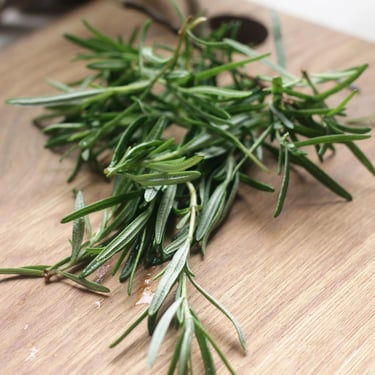
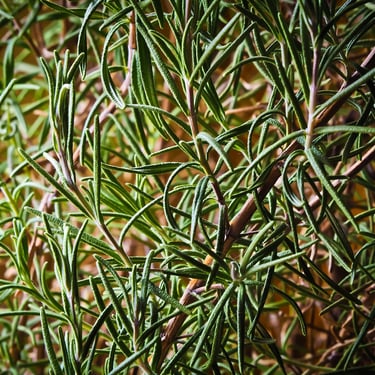
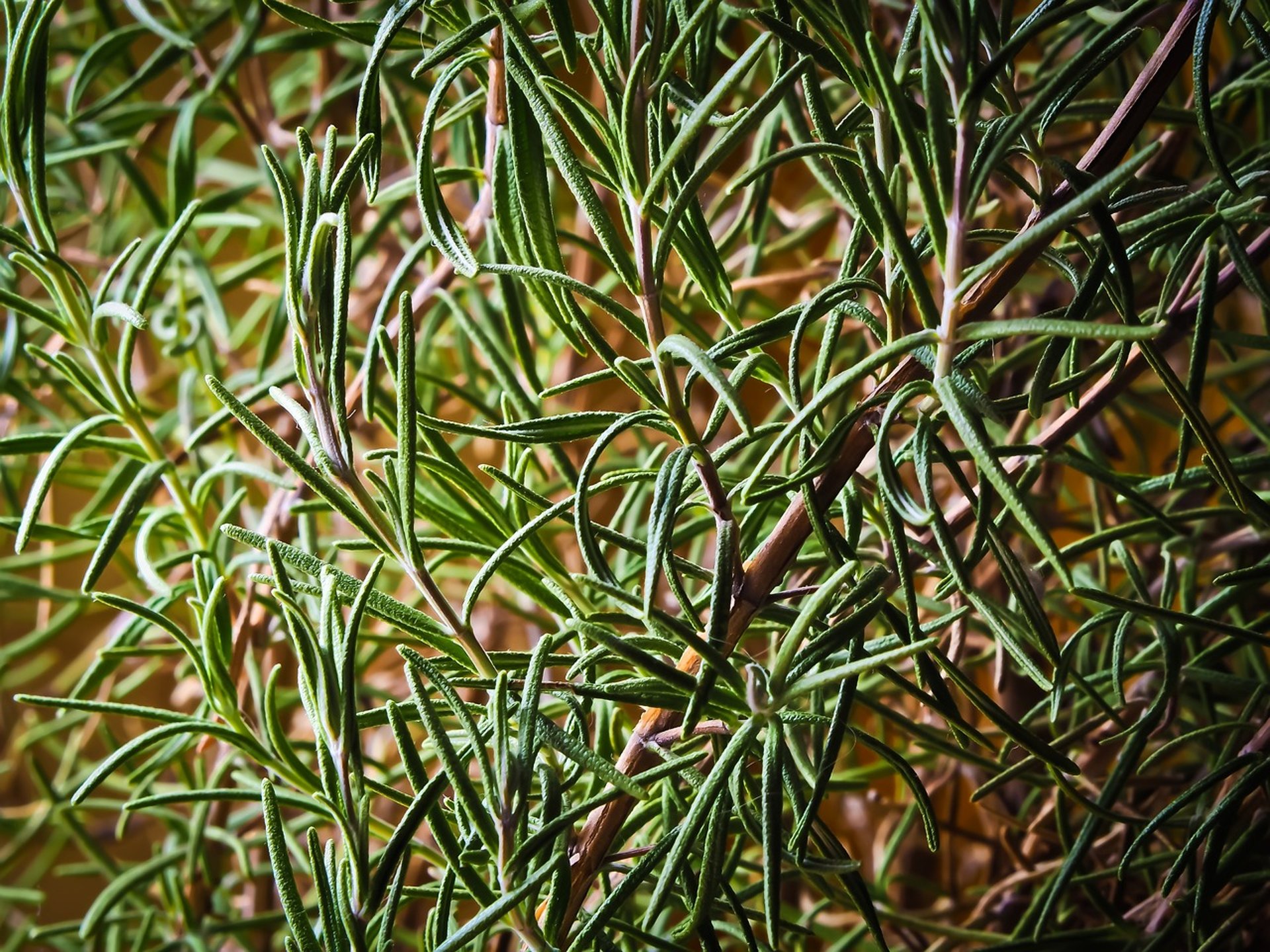
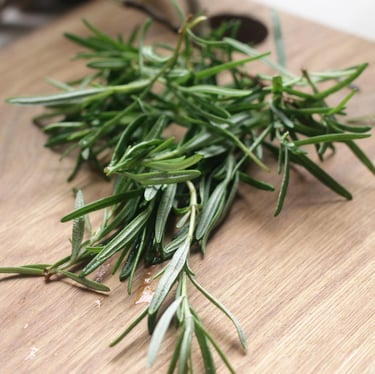
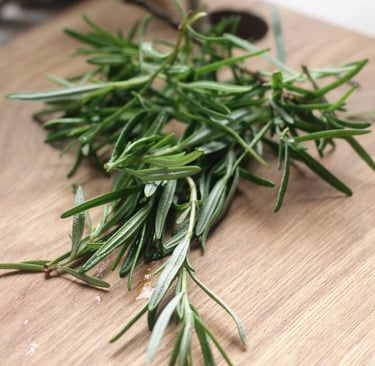
Rosemary (Salvia rosmarinus, formerly Rosmarinus officinalis) is a woody, evergreen herb native to the Mediterranean region and a member of the mint family (Lamiaceae). The leaves, which resemble narrow needles, are the primary part traditionally used in herbal preparations.
Rosemary thrives in warm, sunny climates and has been cultivated for thousands of years. Its strong aroma and resilience made it a valued household herb in both culinary and herbal traditions.
Traditional & Cultural Uses of Rosemary
Rosemary appears throughout many historical herbal systems:
Ancient Mediterranean cultures associated rosemary with memory, learning, and remembrance.
European folk traditions used rosemary in teas, sachets, and ceremonial practices.
Scholarly and monastic settings often incorporated rosemary during study and contemplation.
Ritual and symbolic traditions linked rosemary to loyalty, clarity, and mental presence.
Across cultures, rosemary was traditionally used when mental sharpness and attentiveness were required, rather than relaxation or rest.
How Rosemary Is Traditionally Prepared
Rosemary is prepared in ways that highlight its aromatic and warming qualities.
Rosemary Tea (Infusion)
Because rosemary leaves are firm and aromatic, a modest amount is typically used.
Traditional preparation method:
Add fresh or dried rosemary leaves to hot water
Cover and steep for 5–10 minutes
Strain and enjoy warm
Herbal Blends
Rosemary is often paired with herbs such as:
Gotu kola
Peppermint
Lemon balm
These blends are traditionally associated with focus, clarity, and balanced alertness.
Aromatic & Ritual Use
Beyond teas, rosemary has historically been used for its aroma in steam practices, ceremonial spaces, and memory-focused rituals—emphasizing the role of scent and perception in herbal traditions.
Taste & Sensory Profile
Rosemary has a strong, pine-like, and slightly bitter flavor.
Sensory characteristics include:
Sharp, resinous aroma
Earthy, evergreen taste
Warming, lingering finish
Because of its intensity, rosemary is often used in smaller quantities or balanced with softer herbs.
Ritual & Energetic Associations
Traditionally, rosemary has been associated with:
Memory and mental clarity
Focus and alert awareness
Remembrance and intention
Cognitive presence
In ritual contexts, rosemary symbolizes clarity through awareness. Preparing rosemary tea or working with its aroma has historically been viewed as a way to sharpen attention and anchor the mind in the present moment.
Rosemary in Herbal Traditions Today
Today, rosemary remains a respected herb in both herbal and cultural traditions. Its historical associations with memory and clarity continue to inform modern herbal guides and intentional practices.
Rosemary reminds us that mental clarity is often supported through environment, ritual, and sensory cues, rather than force or stimulation.
Related Herbal Guides
If you’re exploring rosemary, you may also enjoy learning about:
Gotu Kola – traditionally associated with focus and longevity
Peppermint – refreshing and perceptual in clarity rituals
Lemon Balm – balancing and grounding in daily practices
(Part of the Flora Amora Herbal Knowledge Library.)
Rosemary & Flora Amora
Rosemary is featured in select Flora Amora herbal blends, thoughtfully paired with complementary botanicals to honor traditional preparation methods and intentional clarity-focused rituals.
Educational Disclaimer
This content is for educational purposes only and reflects traditional and cultural herbal practices. It is not intended to diagnose, treat, or cure any condition.