Enjoy 10% off on herbal remedies! Sign up Now!

Rosehip
Rosehip Tea: Traditional Uses, Preparation & Cultural Traditions
12/30/20252 min read
Rosehip Tea: Traditional Uses, Preparation & Cultural Traditions
Introduction
Rosehip has been traditionally used in herbal practices across cultures for centuries, valued for its vibrant color, subtle tartness, and role in nourishing, seasonal rituals. Commonly prepared as a tea or decoction, rosehip has long been incorporated into daily routines centered around renewal, resilience, and gentle nourishment.
Within traditional herbal contexts, rosehip is appreciated not as a quick solution, but as a slow, steady companion herb, often enjoyed during colder months or transitional seasons when the body seeks grounding and replenishment.
What Is Rosehip?
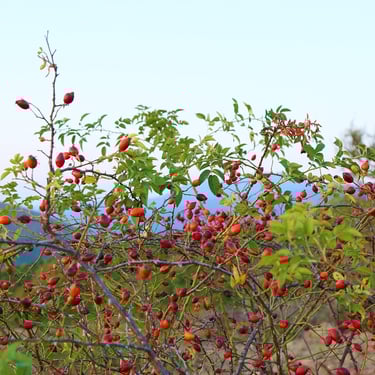
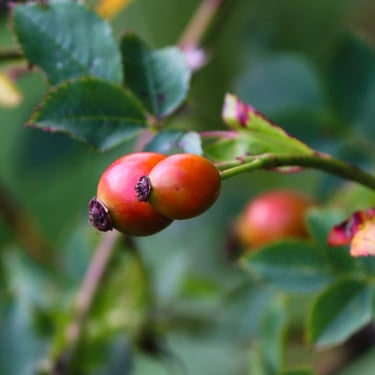
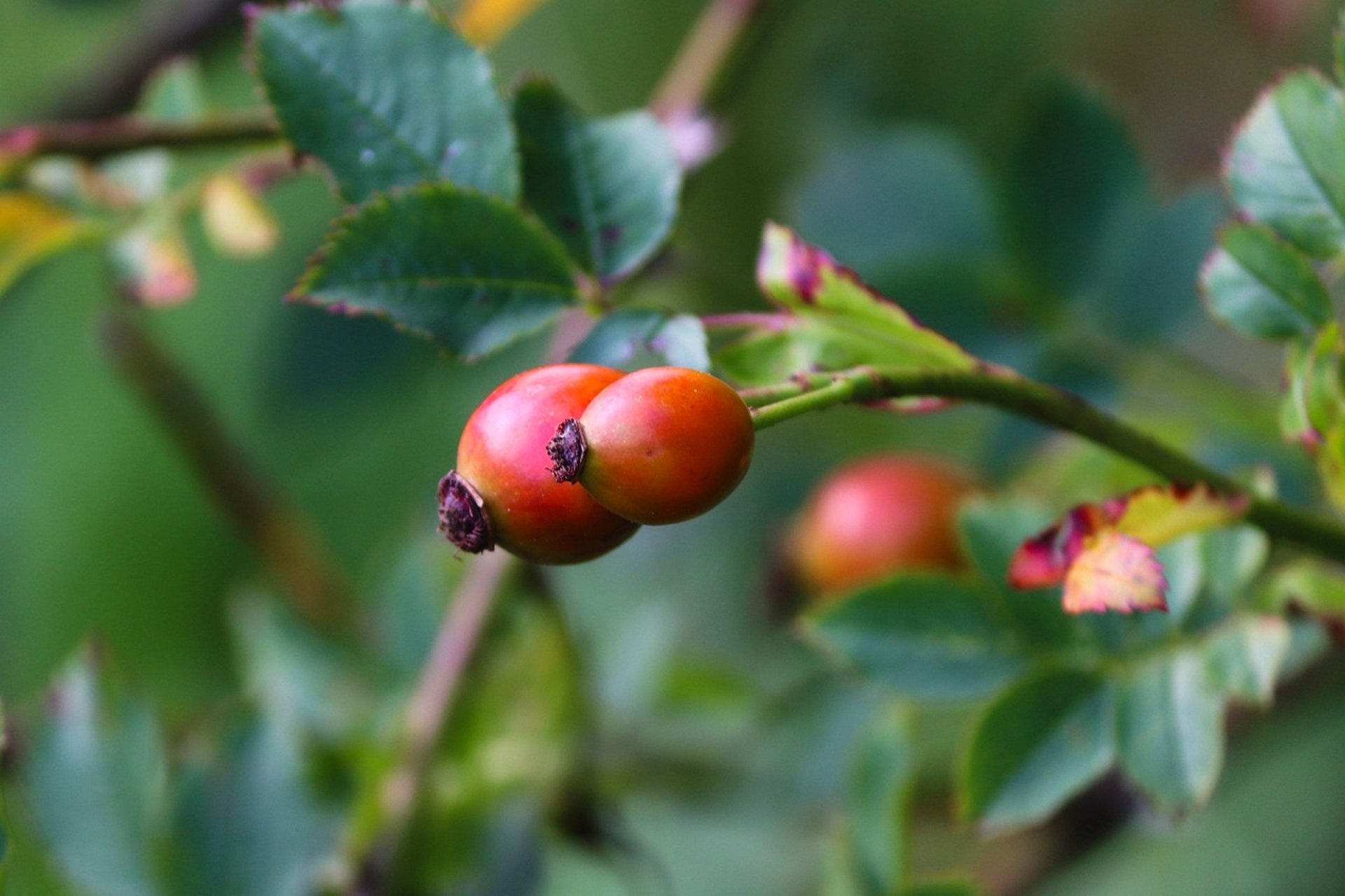
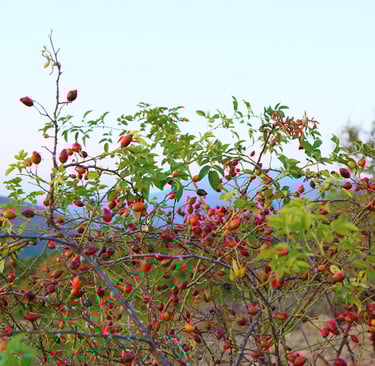
Rosehip refers to the fruit of the rose plant, most commonly from species such as Rosa canina or Rosa rugosa. After the rose petals fall, the round or oval hips develop and are harvested once ripe, then dried for herbal use.
In traditional herbal preparations, the hips are typically cut or crushed before use. Their dense structure and natural acidity make rosehips especially suited for longer steeping methods that draw out their full sensory qualities.
Traditional & Cultural Uses of Rosehip
Rosehip appears in a wide range of traditional practices:
European folk traditions used rosehip tea during colder seasons as part of daily nourishment rituals.
Nordic cultures incorporated rosehip into teas, syrups, and preserves as a seasonal staple.
Eastern European herbalism valued rosehip for its fortifying and sustaining qualities.
Rural household traditions often relied on rosehip as a stored botanical during winter months.
Across cultures, rosehip was traditionally associated with endurance, renewal, and long-term nourishment, rather than immediacy or intensity.
How Rosehip Is Traditionally Prepared
Rosehip is most often prepared as a tea or decoction, allowing sufficient time to extract its flavor and depth.
Rosehip Tea (Decoction or Long Infusion)
Because rosehips are firm and dense, they are traditionally simmered or steeped longer than delicate herbs.
Traditional preparation method:
Lightly crush or cut dried rosehips
Add to water and gently simmer for 10–20 minutes
Strain carefully and enjoy warm
Some traditions also allow rosehips to steep overnight in warm water for a milder infusion.
Herbal Blends
Rosehip is commonly paired with herbs such as:
Hibiscus
Rose petals
Ginger root
These blends are often enjoyed for their vibrant color, tart flavor, and seasonal warmth.
Taste & Sensory Profile
Rosehip offers a bright, tart, and slightly fruity flavor.
Sensory characteristics include:
Subtle citrus-like acidity
Light sweetness beneath the tartness
Warm, comforting finish
Its flavor profile makes rosehip a refreshing yet grounding herb, especially appreciated during cooler months.
Ritual & Energetic Associations
Traditionally, rosehip has been associated with:
Renewal and resilience
Seasonal transitions
Inner strength and nourishment
Gentle revitalization
In ritual contexts, rosehip symbolizes continuity and endurance—the fruit that remains after flowering, carrying stored energy into the next cycle. Preparing rosehip tea has often been viewed as an act of care during times of depletion or change.
Rosehip in Herbal Traditions Today
Today, rosehip remains a valued botanical in herbal traditions around the world. Its rich cultural history and seasonal associations continue to inspire modern herbal guides and intentional preparation rituals.
Rosehip reminds us that nourishment is often cumulative—built through consistency, patience, and rhythm rather than immediacy.
Related Herbal Guides
If you’re exploring rosehip, you may also enjoy learning about:
Hibiscus – vibrant and tart in herbal traditions
Rose – heart-centered and ceremonial
Ginger Root – warming and grounding in seasonal blends
(Part of the Flora Amora Herbal Knowledge Library.)
Rosehip & Flora Amora
Rosehip is featured in select Flora Amora tea blends, thoughtfully paired with complementary botanicals to honor traditional preparation methods and intentional herbal rituals.
Educational Disclaimer
This content is for educational purposes only and reflects traditional and cultural herbal practices. It is not intended to diagnose, treat, or cure any condition.