Enjoy 10% off on herbal remedies! Sign up Now!
Rose
Rose: Traditional Herbal Uses, Sensory Qualities & Ritual Traditions
12/29/20252 min read
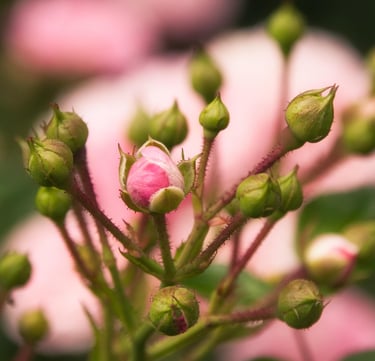
Rose: Traditional Herbal Uses, Sensory Qualities & Ritual Traditions
Introduction
Rose has been traditionally used in herbal practices across cultures for centuries, not only for its beauty and fragrance, but for its symbolic connection to emotion, ritual, and sensory experience. Often prepared as a tea or blended with other botanicals, rose has long been associated with heart-centered practices and moments of intentional softness.
This guide explores rose through its traditional and cultural uses, preparation methods, sensory profile, and the role it has played in ceremonial and herbal traditions throughout history.
What Is Rose in Herbal Traditions?
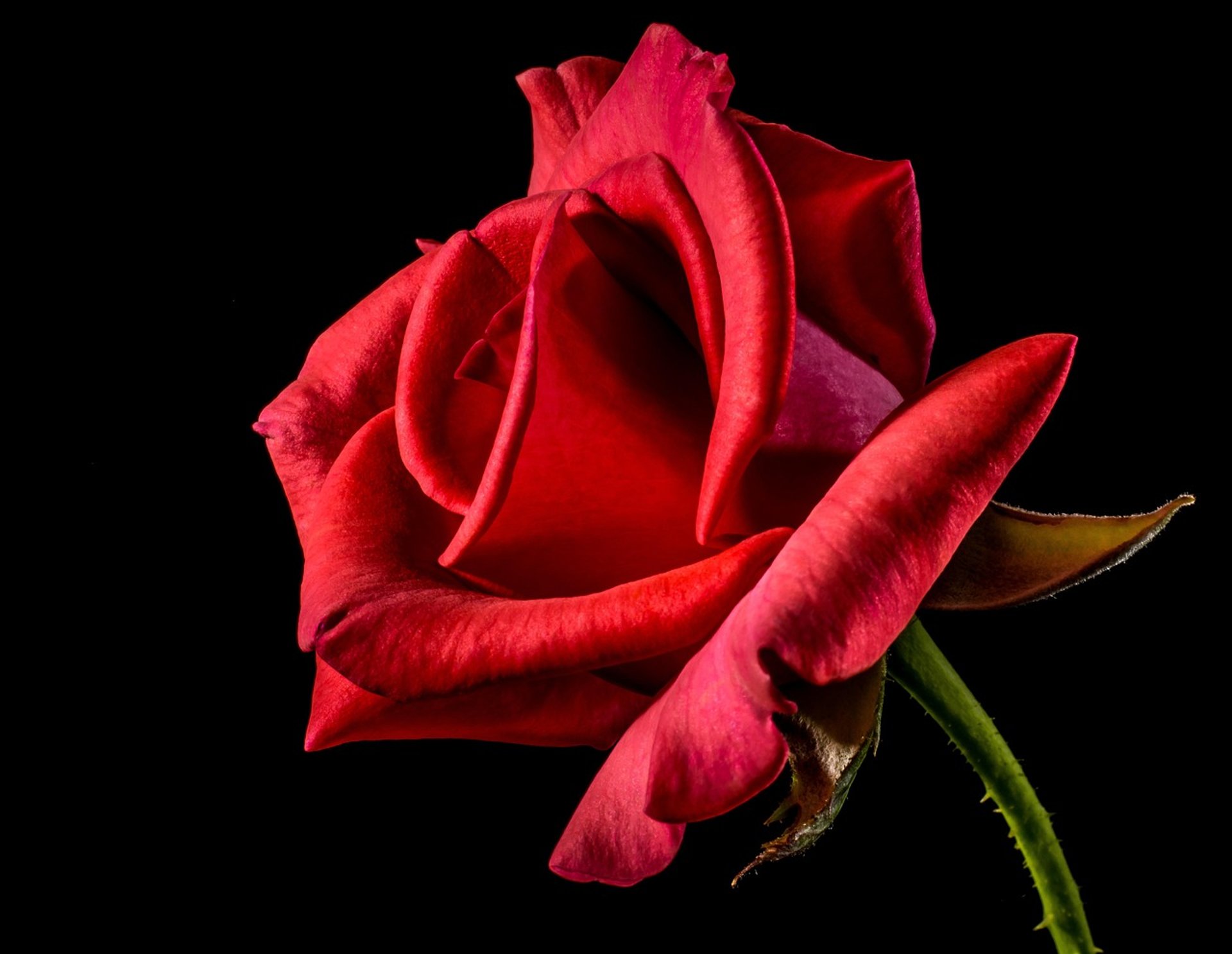
In herbal preparations, rose most commonly refers to the petals of fragrant rose varieties such as Rosa damascena or Rosa centifolia. These petals are gently dried and used in teas, infusions, and botanical blends.
Unlike more stimulating herbs, rose has traditionally been valued for its subtlety—its ability to influence mood, atmosphere, and emotional tone through aroma, taste, and ritual presence.
Traditional & Cultural Uses of Rose
Rose has appeared in herbal traditions across many regions:
Middle Eastern and Persian traditions used rose in ceremonial drinks, sweets, and aromatic preparations.
European herbalism associated rose with emotional balance and gentle nourishment.
Ayurvedic traditions valued rose for its cooling and harmonizing symbolism.
Folk practices often included rose in rituals connected to love, grief, and emotional processing.
Rather than being used for intensity or force, rose was traditionally included during moments that required softening, reflection, or emotional presence.
How Rose Is Traditionally Prepared
Rose petals are most often prepared as a light infusion or blended with complementary herbs.
Rose Tea (Infusion)
Because rose petals are delicate, they are steeped gently.
Traditional preparation method:
Add dried rose petals to hot (not boiling) water
Cover and steep for 5–7 minutes
Strain and enjoy warm
Herbal Blends
Rose is commonly paired with:
Hibiscus
Chamomile
Lavender
These blends are often used in ritual teas, ceremonial settings, or moments of emotional care.
Taste & Sensory Profile
Rose offers a light floral flavor with subtle sweetness.
Sensory characteristics include:
Soft floral aroma
Delicate, slightly sweet taste
Smooth, calming finish
Rose does not overpower a blend — instead, it adds depth, elegance, and emotional tone.
Ritual & Energetic Associations
Traditionally, rose has been associated with:
Emotional openness
Heart-centered rituals
Compassion and tenderness
Processing grief or joy
In ceremonial contexts, rose has symbolized presence and vulnerability. Preparing rose tea has often been viewed as a ritual of slowing down and reconnecting with emotional awareness.
Rose in Herbal Traditions Today
Today, rose remains a respected botanical in herbal culture, particularly in blends designed for emotional balance and sensory enjoyment. Its continued use reflects the understanding that herbal practices are not only physical, but emotional and symbolic.
Rose reminds us that healing rituals can be gentle, beautiful, and deeply human.
Related Herbal Guides
If you’re exploring rose, you may also enjoy:
Hibiscus – vibrant and heart-centered
Lavender – aromatic and calming
Chamomile – gentle and grounding
(Part of the Flora Amora Herbal Knowledge Library.)
Rose & Flora Amora
Rose is featured in select Flora Amora tea blends, thoughtfully paired with complementary botanicals to honor traditional preparation methods and intentional herbal rituals.
Educational Disclaimer
This content is for educational purposes only and reflects traditional and cultural herbal practices. It is not intended to diagnose, treat, or cure any condition.