Enjoy 10% off on herbal remedies! Sign up Now!
Raspberry Leaf
Raspberry Leaf Tea: Traditional Uses, Preparation & Cyclical Traditions
12/30/20252 min read
Raspberry Leaf Tea: Traditional Uses, Preparation & Cyclical Traditions
Introduction
Raspberry leaf has been traditionally used in herbal practices across cultures for centuries, valued for its mild taste, steady nature, and close association with cyclical rhythms and long-term nourishment. Commonly prepared as a tea or infusion, raspberry leaf has long been incorporated into daily routines and seasonal practices centered around balance, continuity, and gentle strength.
Within traditional herbal contexts, raspberry leaf is appreciated not as a stimulating or forceful herb, but as a foundational botanical—often used consistently over time as part of steady, nourishing rituals.
What Is Raspberry Leaf?
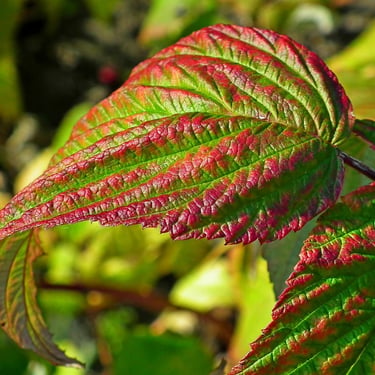
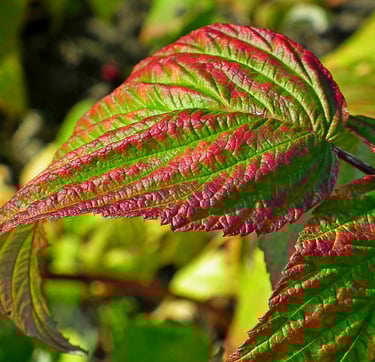
Raspberry leaf comes from the red raspberry plant (Rubus idaeus), a perennial shrub native to Europe and northern Asia and widely cultivated throughout the world. In traditional herbal preparations, the leaves—rather than the fruit—are the primary part used.
The leaves are harvested during the growing season and dried for later use. Raspberry leaf has long been valued as a household herb due to its accessibility, mild flavor, and versatility in traditional practices.
Traditional & Cultural Uses of Raspberry Leaf
Raspberry leaf appears throughout many historical and folk traditions:
European folk herbalism used raspberry leaf as a nourishing, everyday tea.
Traditional women’s herbal practices valued raspberry leaf for its association with cyclical balance.
Household routines often included raspberry leaf as a long-term, steady infusion.
Seasonal traditions incorporated raspberry leaf as part of ongoing nourishment rather than short-term use.
Across cultures, raspberry leaf was traditionally used to support consistency, rhythm, and resilience, rather than immediate or dramatic effects.
How Raspberry Leaf Is Traditionally Prepared
Raspberry leaf is most often prepared as a tea or infusion, allowing its mild properties to be gently extracted.
Raspberry Leaf Tea (Infusion)
This is the most common traditional preparation.
Traditional preparation method:
Add dried raspberry leaves to hot (not boiling) water
Cover and steep for 10–15 minutes
Strain and enjoy warm
Because of its mild nature, raspberry leaf is often enjoyed regularly and in larger quantities compared to more bitter herbs.
Herbal Blends
Raspberry leaf is frequently paired with herbs such as:
Nettle leaf
Rosehip
Lemon balm
These blends are traditionally enjoyed as part of daily or seasonal nourishment routines.
Taste & Sensory Profile
Raspberry leaf has a mild, slightly earthy, and softly astringent flavor.
Sensory characteristics include:
Light green aroma
Gentle, tea-like taste
Clean, grounding finish
Its pleasant and unobtrusive flavor makes raspberry leaf suitable for frequent use and blending.
Ritual & Energetic Associations
Traditionally, raspberry leaf has been associated with:
Cyclical balance
Steady nourishment
Gentle strength
Continuity and rhythm
In ritual contexts, raspberry leaf symbolizes strength through steadiness. Preparing raspberry leaf tea has often been viewed as an act of ongoing care—supporting the body and spirit through consistency rather than intensity.
Raspberry Leaf in Herbal Traditions Today
Today, raspberry leaf remains a respected botanical in traditional herbal education, especially within guides focused on cyclical living and long-term nourishment. Its continued use reflects an understanding that resilience is cultivated through daily, supportive practices.
Raspberry leaf reminds us that true support is often quiet and reliable—built through habit, rhythm, and patience.
Related Herbal Guides
If you’re exploring raspberry leaf, you may also enjoy learning about:
Nettle Leaf – nourishing and resilient traditions
Rosehip – seasonal vitality and renewal
Motherwort – grounding and heart-centered practices
(Part of the Flora Amora Herbal Knowledge Library.)
Raspberry Leaf & Flora Amora
Raspberry leaf is featured in select Flora Amora herbal blends, thoughtfully paired with complementary botanicals to honor traditional preparation methods and cyclical nourishment rituals.
Educational Disclaimer
This content is for educational purposes only and reflects traditional and cultural practices. It is not intended to diagnose, treat, or cure any condition.