Enjoy 10% off on herbal remedies! Sign up Now!
Peppermint
Peppermint Tea: Traditional Uses, Preparation & Herbal Traditions
12/30/20252 min read
Peppermint Tea: Traditional Uses, Preparation & Herbal Traditions
Introduction
Peppermint has been traditionally used in herbal practices across many cultures for centuries, valued for its refreshing aroma, cooling sensation, and clarifying presence. Commonly prepared as a tea or infusion, peppermint has long been incorporated into post-meal rituals, daily herbal routines, and practices centered around clarity and balance.
Within traditional herbal contexts, peppermint is appreciated not for stimulation, but for its ability to refine sensory awareness and support moments of reset. Its role spans culinary, cultural, and ritual use, making it one of the most recognizable herbs in global herbal traditions.
What Is Peppermint?
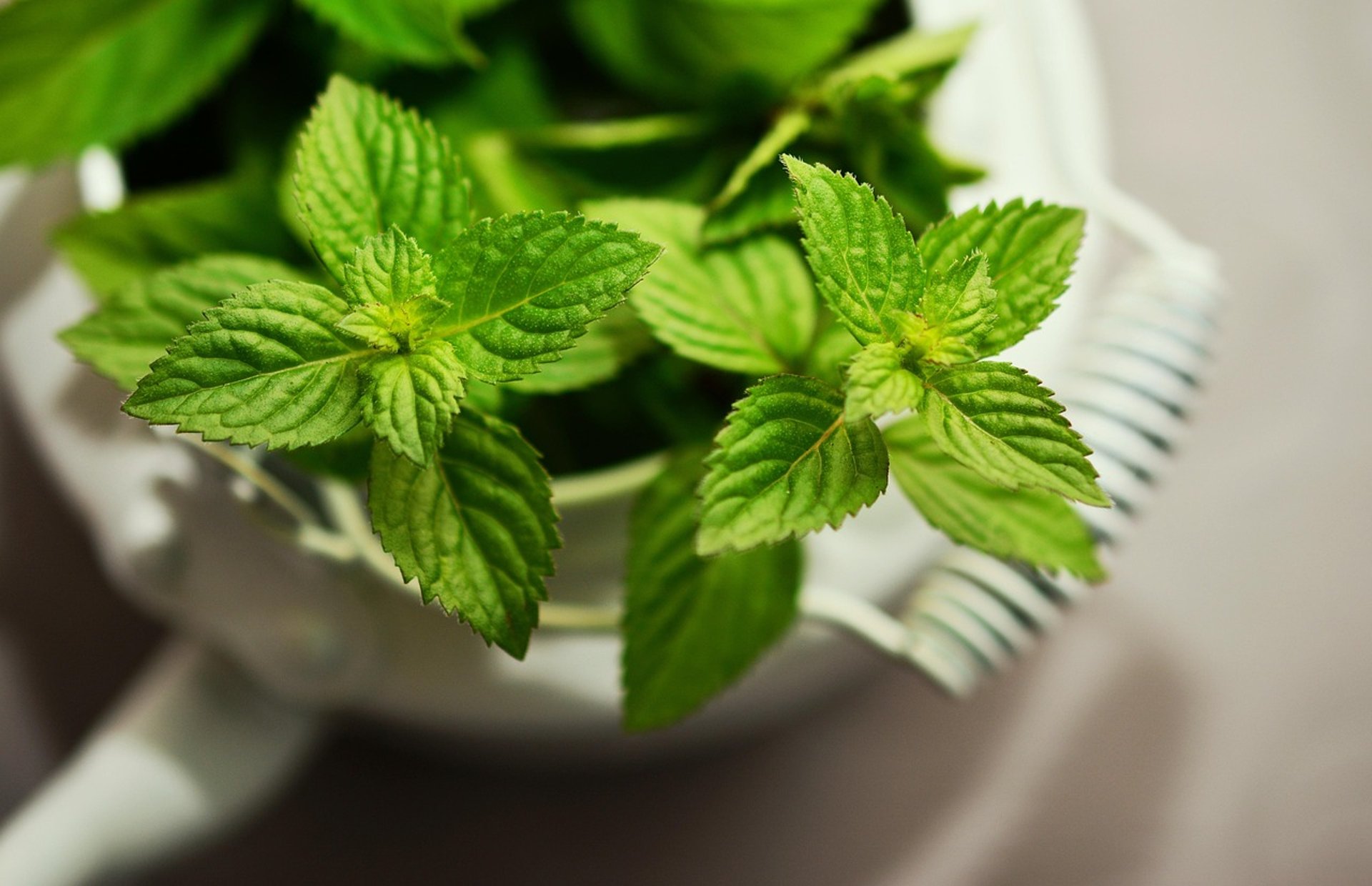
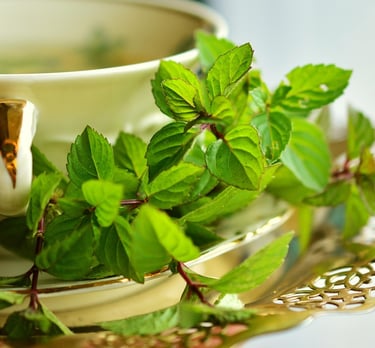
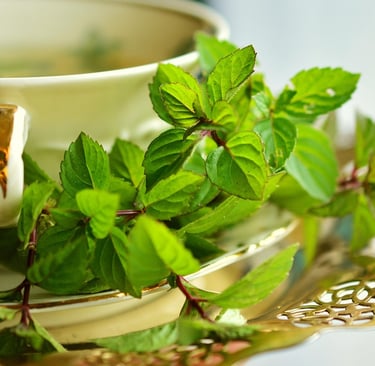
Peppermint (Mentha × piperita) is a hybrid plant derived from watermint and spearmint, belonging to the mint family (Lamiaceae). The leaves are the primary part traditionally used in herbal preparations.
Peppermint is known for its high concentration of aromatic compounds, which give the plant its distinctive scent and cooling sensation. Once harvested, the leaves are typically dried and used for teas, infusions, steam rituals, and blended herbal preparations.
Traditional & Cultural Uses of Peppermint
Peppermint has appeared in traditional herbal systems across many regions:
European herbal traditions commonly used peppermint in teas prepared after meals.
Middle Eastern and Mediterranean cultures incorporated peppermint into daily beverages and hospitality rituals.
Folk herbal practices valued peppermint for its refreshing and settling qualities.
Culinary-herbal traditions often blurred the line between food and herbal use, integrating peppermint into both.
Rather than being used as a stimulant, peppermint was traditionally prepared to refresh the senses, encourage mindful digestion, and restore balance after periods of activity.
How Peppermint Is Traditionally Prepared
Peppermint is most often prepared as a gentle infusion, allowing its aromatic qualities to be released without bitterness.
Peppermint Tea (Infusion)
This is the most common traditional preparation.
Traditional preparation method:
Add dried peppermint leaves to hot (not boiling) water
Cover and steep for 5–7 minutes
Strain and enjoy warm
Herbal Blends
Peppermint is frequently paired with other botanicals such as:
Fennel seed
Ginger root
Chamomile
These blends are often associated with post-meal rituals and moments of sensory reset.
Aromatic & Steam Use
In some traditions, peppermint leaves are infused for aromatic steam practices, highlighting the importance of scent and breath in herbal rituals.
Taste & Sensory Profile
Peppermint offers a cool, crisp, and refreshing flavor.
Sensory characteristics include:
Bright, clean aroma
Cooling sensation
Light herbal sweetness
Because of its strong aromatic profile, peppermint is often used alone or in small amounts within blends.
Ritual & Energetic Associations
Peppermint has traditionally been associated with:
Clarity and alert presence
Sensory refreshment
Post-meal grounding rituals
Mental and environmental reset
In ritual contexts, peppermint represents renewal and recalibration—often used when the body or mind feels heavy, overstimulated, or cluttered.
Preparing peppermint tea has historically been viewed as an intentional pause, inviting breath awareness and present-moment clarity.
Peppermint in Herbal Traditions Today
Today, peppermint remains a foundational herb in herbal traditions worldwide. Its versatility and accessibility continue to make it a staple in herbal guides, kitchens, and daily rituals.
Peppermint’s enduring role reflects the understanding that herbal practices are not always about intensity, but about sensory balance, awareness, and rhythm.
Related Herbal Guides
If you’re exploring peppermint, you may also enjoy learning about:
Fennel Seed – traditionally paired with peppermint in digestive rituals
Ginger Root – warming and grounding in herbal preparations
Chamomile – often used to balance peppermint’s cooling nature
(Part of the Flora Amora Herbal Knowledge Library.)
Peppermint & Flora Amora
Peppermint is featured in select Flora Amora tea blends, thoughtfully paired with complementary botanicals to honor traditional preparation methods and intentional herbal practices.
Educational Disclaimer
This content is for educational purposes only and reflects traditional and cultural herbal practices. It is not intended to diagnose, treat, or cure any condition.