Enjoy 10% off on herbal remedies! Sign up Now!
Mullein
Mullein Leaf: Traditional Herbal Uses & Preparation Methods
12/28/20252 min read
Mullein Leaf: Traditional Herbal Uses & Preparation Methods
Introduction
Mullein leaf has been traditionally used in herbal practices across cultures for centuries, recognized for its soft texture, tall stature, and longstanding association with seasonal and respiratory-focused rituals. Often prepared as a tea or infusion, mullein has played an important role in traditional herbal routines centered around breath, transition, and environmental balance.
This guide explores mullein leaf through its traditional and cultural uses, preparation methods, sensory profile, and symbolic role in herbal traditions.
What Is Mullein?
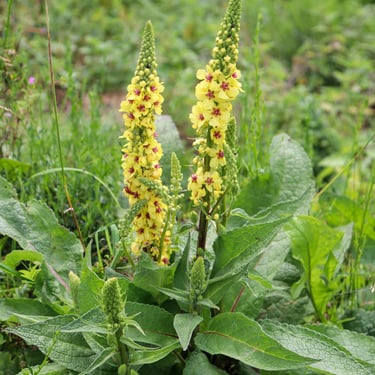
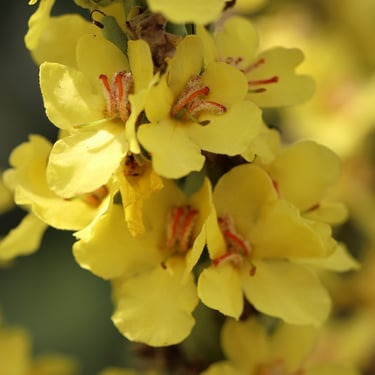
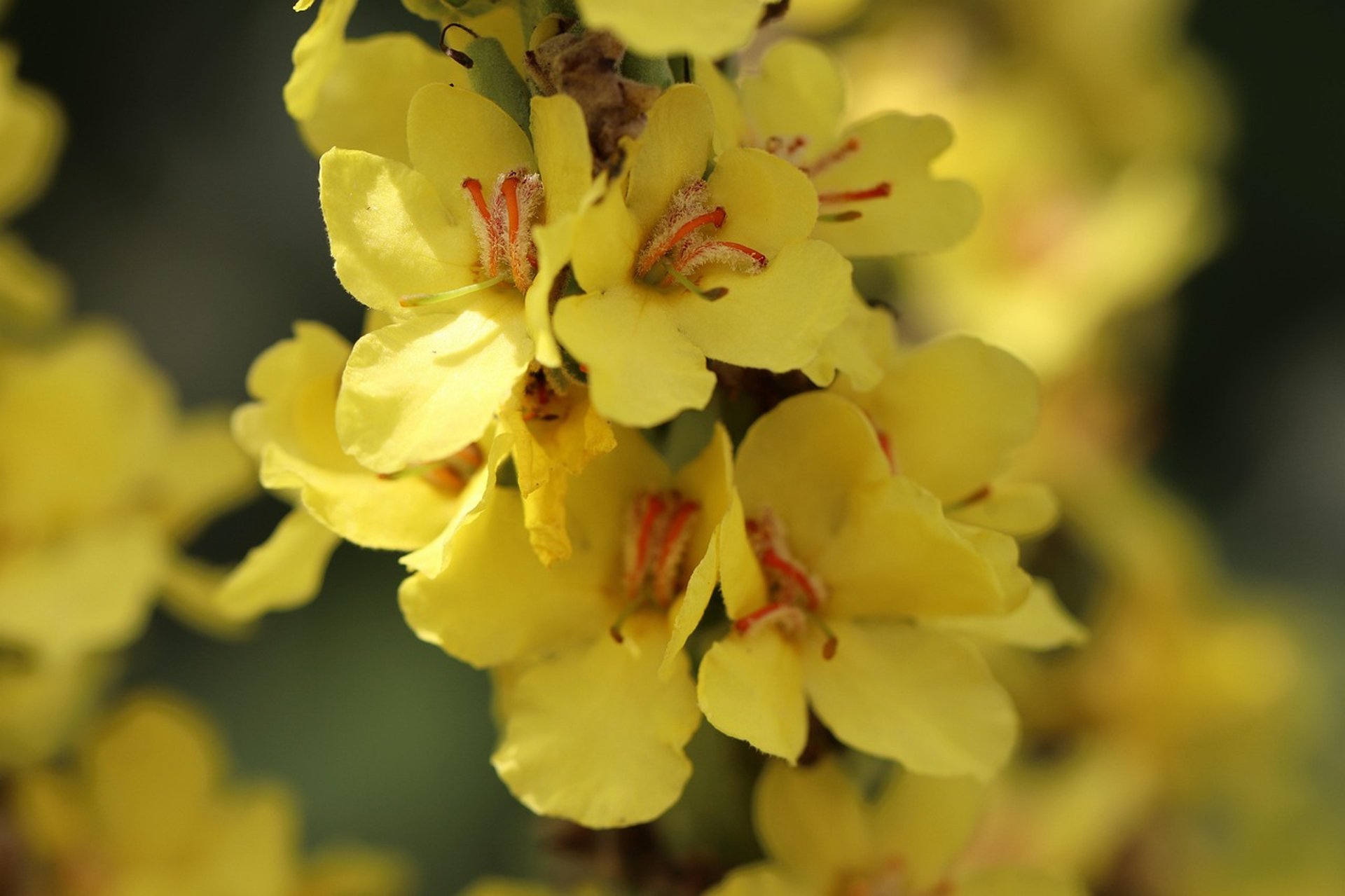
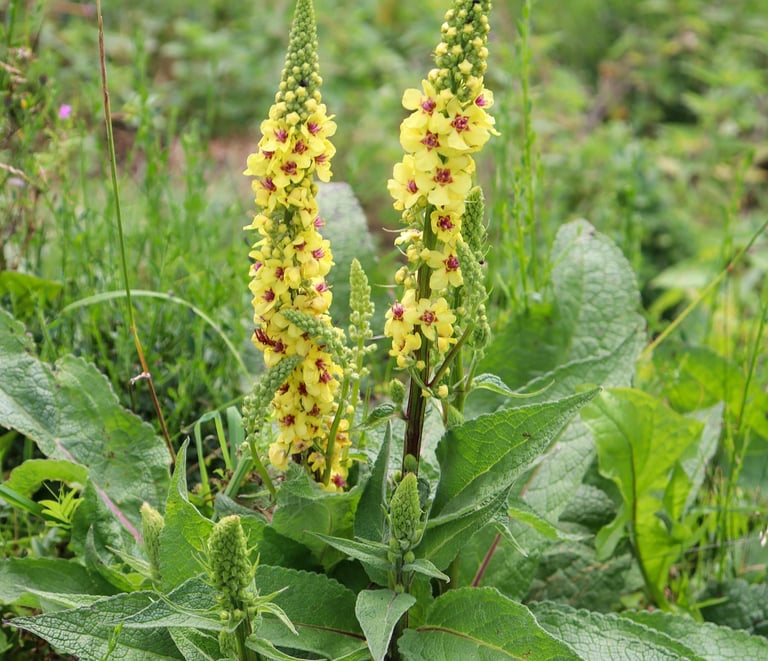
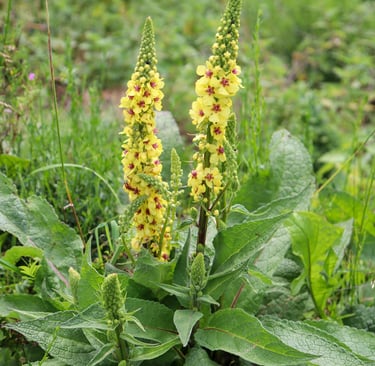
Mullein (Verbascum thapsus) is a biennial plant known for its tall flowering stalk and velvety leaves. The leaves and flowers are the parts most commonly referenced in traditional herbal preparations.
Native to Europe and parts of Asia, mullein has since naturalized across many regions of the world. Its soft, fuzzy leaves and resilience in varied environments made it a recognizable and accessible plant in folk herbal traditions.
Traditional & Cultural Uses of Mullein
Mullein has a rich history across herbal cultures:
European folk traditions commonly included mullein in seasonal teas and infusions.
Indigenous herbal knowledge in various regions recognized mullein as a plant associated with breath and air.
Rural and countryside practices often kept mullein as a household herb during colder months.
Ancient traditions symbolically linked mullein with protection, light, and guidance.
Historically, mullein was valued not for quick results, but for its gentle and supportive presence, often used over time as part of routine herbal practices.
How Mullein Is Traditionally Prepared
Mullein leaf is most commonly prepared as a tea or infusion, with special attention given to straining.
Mullein Leaf Tea (Infusion)
Because mullein leaves are naturally fuzzy, traditional preparation includes thorough straining.
Traditional preparation method:
Add dried mullein leaf to hot water
Cover and steep for 10–15 minutes
Strain carefully through a fine mesh or cloth
Enjoy warm
This careful straining step is emphasized in many traditional sources.
Herbal Blends
Mullein is often paired with herbs such as:
Ginger root
Thyme
Chamomile
These blends are commonly prepared during seasonal transitions.
Taste & Sensory Profile
Mullein leaf has a mild, earthy, and slightly vegetal flavor.
Sensory characteristics include:
Soft, neutral taste
Light herbal aroma
Smooth when properly strained
Because of its subtle flavor, mullein is frequently blended with more aromatic herbs.
Ritual & Energetic Associations
Traditionally, mullein has been associated with:
Breath and air
Transition and release
Seasonal change
Grounded stillness
In folklore, mullein was sometimes referred to as a guardian plant, symbolizing guidance and clarity. Preparing mullein tea has often been viewed as an act of clearing space—both physically and energetically.
Mullein’s tall growth and ability to thrive in open spaces reinforced its symbolic link to openness and breath.
Mullein in Herbal Traditions Today
Today, mullein remains a respected plant in herbal traditions, especially in educational and seasonal herbal guides. Its gentle nature and historical symbolism continue to inspire modern herbal preparations rooted in patience and consistency.
Mullein reminds us of the importance of slowing down, breathing deeply, and honoring seasonal rhythms.
Related Herbal Guides
If you’re exploring mullein leaf, you may also enjoy learning about:
Ginger Root – traditionally paired with mullein in warming preparations
Chamomile – often blended for gentle balance
Lavender – valued for aromatic and calming rituals
(Part of the Flora Amora Herbal Knowledge Library.)
Mullein & Flora Amora
Mullein leaf is featured in select Flora Amora tea blends, thoughtfully combined with complementary botanicals to honor traditional preparation methods and mindful herbal practices.
Educational Disclaimer
This content is for educational purposes only and reflects traditional and cultural herbal practices. It is not intended to diagnose, treat, or cure any condition.