Enjoy 10% off on herbal remedies! Sign up Now!

Licorice Root
Licorice Root Tea: Traditional Uses, Preparation & Harmonizing Rituals
12/30/20252 min read
Licorice Root Tea: Traditional Uses, Preparation & Harmonizing Rituals
Introduction
Licorice root has been traditionally used in herbal practices across cultures for centuries, valued for its natural sweetness, grounding warmth, and harmonizing presence. Commonly prepared as a tea or decoction, licorice root has long been incorporated into routines centered around balance, cohesion, and steady nourishment.
Within traditional herbal contexts, licorice root is appreciated not as a dominant herb, but as a unifying botanical—often used to bring harmony to blends and soften the intensity of other herbs.
What Is Licorice Root?
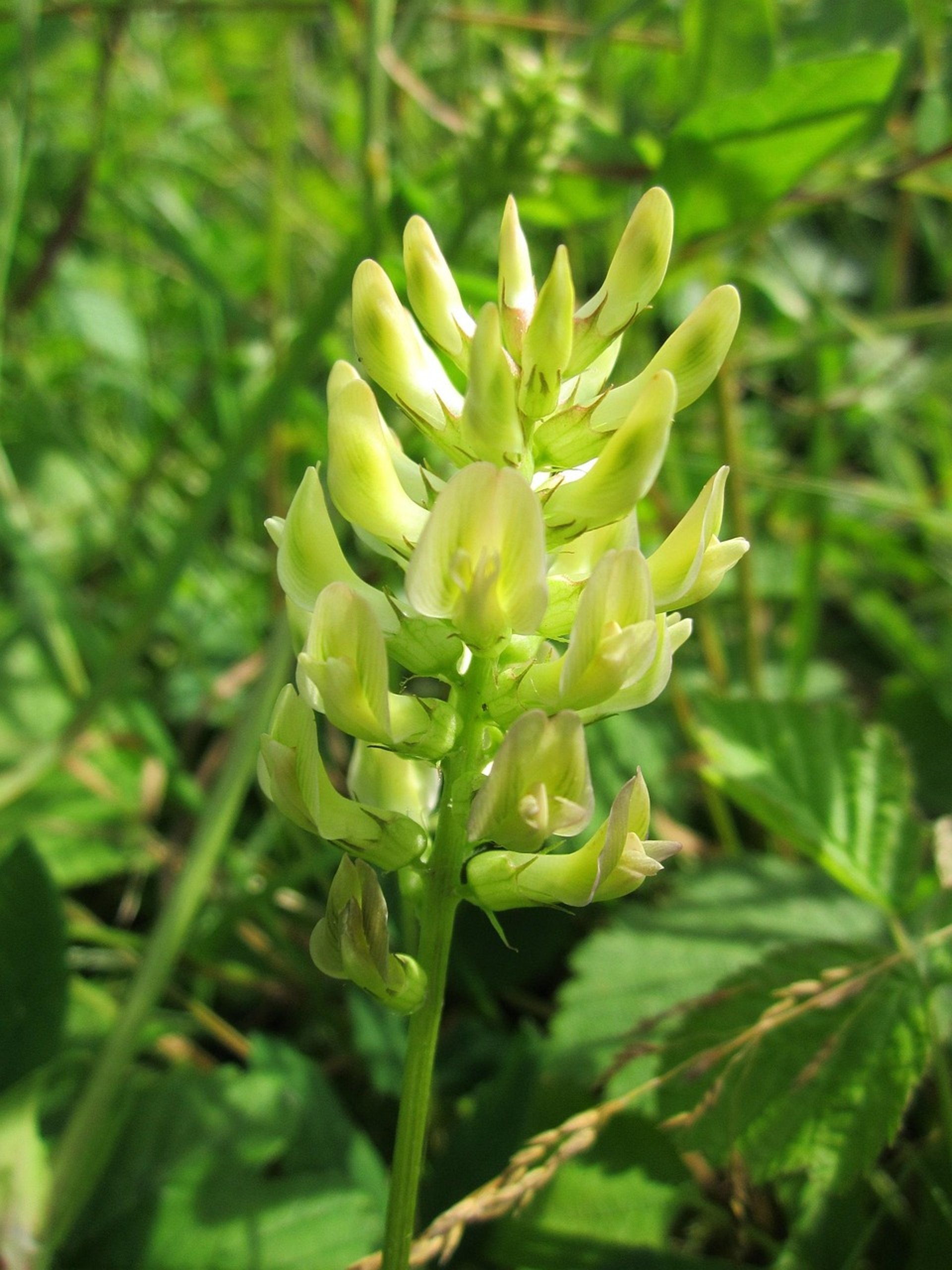
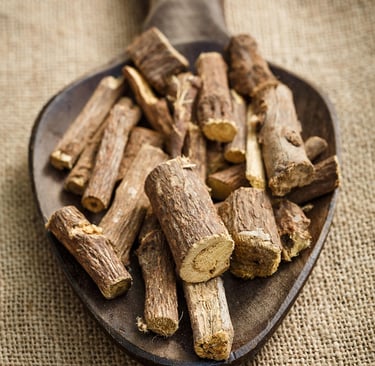
Licorice (Glycyrrhiza glabra) is a perennial plant native to parts of Europe and Asia. In traditional herbal preparations, the root is the primary part used.
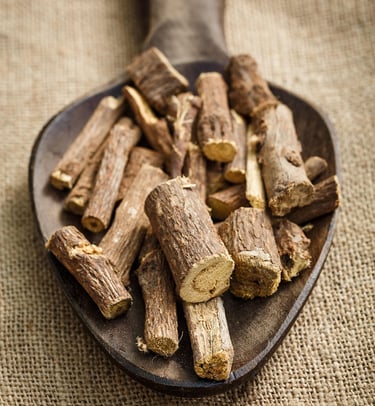
The root is harvested, cleaned, and dried before use. Its naturally sweet flavor comes from glycyrrhizin, a compound long recognized in traditional systems for its ability to balance and integrate other botanical elements within herbal formulas.
Traditional & Cultural Uses of Licorice Root
Licorice root appears throughout many traditional herbal systems:
Traditional Chinese herbalism used licorice root as a harmonizing herb in complex formulas.
Ayurvedic traditions incorporated licorice into preparations focused on balance and nourishment.
European herbal practices valued licorice for its soothing and unifying qualities.
Folk traditions often included licorice root in long-simmered teas and tonics.
Across cultures, licorice root was traditionally used not for immediacy, but for integration—helping various elements work together more smoothly.
How Licorice Root Is Traditionally Prepared
Licorice root is most often prepared as a decoction, allowing its dense structure and sweetness to be fully expressed.
Licorice Root Tea (Decoction)
Because the root is firm, it is gently simmered rather than briefly steeped.
Traditional preparation method:
Add dried licorice root to water
Gently simmer for 15–30 minutes
Strain and enjoy warm
Herbal Blends
Licorice root is frequently paired with herbs such as:
Ginger root
Cinnamon
Marshmallow root
These blends are traditionally associated with balance, warmth, and smooth flavor profiles.
Taste & Sensory Profile
Licorice root has a distinctly sweet, earthy, and slightly warming flavor.
Sensory characteristics include:
Natural sweetness without sugar
Smooth, coating mouthfeel
Warm, lingering finish
Because of its sweetness, licorice root is often used in smaller amounts to enhance and harmonize blends.
Ritual & Energetic Associations
Traditionally, licorice root has been associated with:
Harmony and balance
Integration and cohesion
Grounding and nourishment
Softening intensity
In ritual contexts, licorice root symbolizes unity and balance. Preparing licorice root tea has often been viewed as an act of bringing elements together—whether within the body, a blend, or a daily routine.
Licorice Root in Herbal Traditions Today
Today, licorice root remains a foundational herb in traditional herbal education. Its historical role as a harmonizer continues to influence modern herbal formulations and guides.
Licorice root reminds us that balance is often achieved not by adding more, but by bringing harmony to what already exists.
Related Herbal Guides
If you’re exploring licorice root, you may also enjoy learning about:
Marshmallow Root – traditionally paired for soothing blends
Ginger Root – warming and grounding preparations
Cinnamon – aromatic warmth in traditional rituals
(Part of the Flora Amora Herbal Knowledge Library.)
Licorice Root & Flora Amora
Licorice root is featured in select Flora Amora herbal blends, thoughtfully paired with complementary botanicals to honor traditional preparation methods and harmonizing rituals.
Educational Disclaimer
This content is for educational purposes only and reflects traditional and cultural herbal practices. It is not intended to diagnose, treat, or cure any condition.