Enjoy 10% off on herbal remedies! Sign up Now!
Lemon Verbena
Lemon Verbena Tea: Traditional Uses, Preparation & Refreshing Rituals
12/30/20252 min read
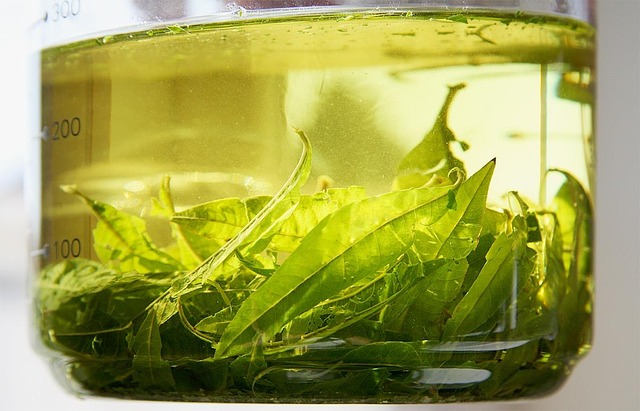
Lemon Verbena Tea: Traditional Uses, Preparation & Refreshing Rituals
Introduction
Lemon verbena has been traditionally used in herbal practices across cultures for centuries, valued for its bright citrus aroma, light character, and association with refreshment and clarity. Commonly prepared as a tea or infusion, lemon verbena has long been incorporated into daily routines and evening rituals centered around ease, digestion, and gentle unwinding.
Within traditional herbal contexts, lemon verbena is appreciated not for intensity or stimulation, but for its uplifting and refining presence—often chosen when lightness, clarity, and subtle restoration are desired.
What Is Lemon Verbena?
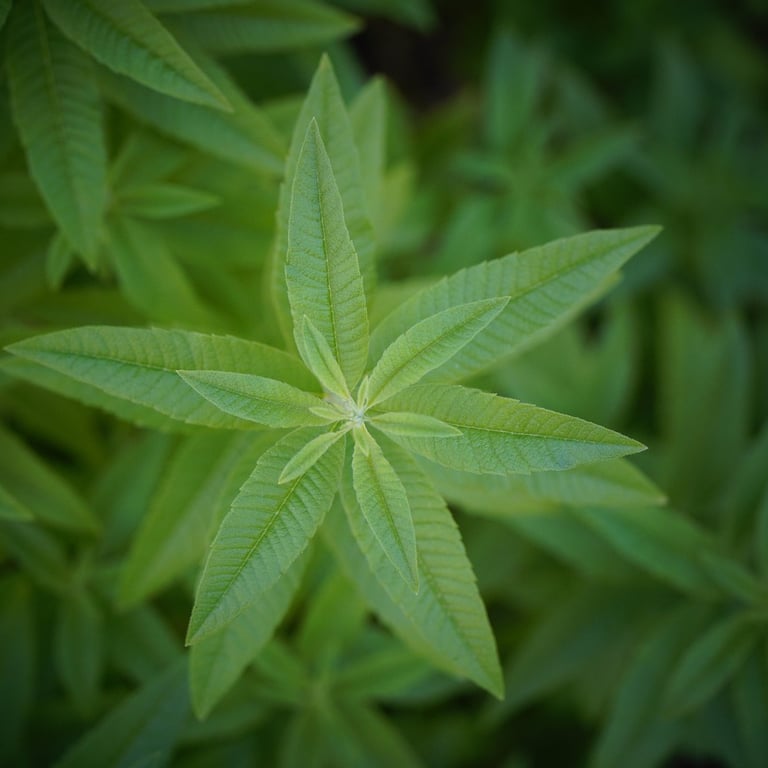
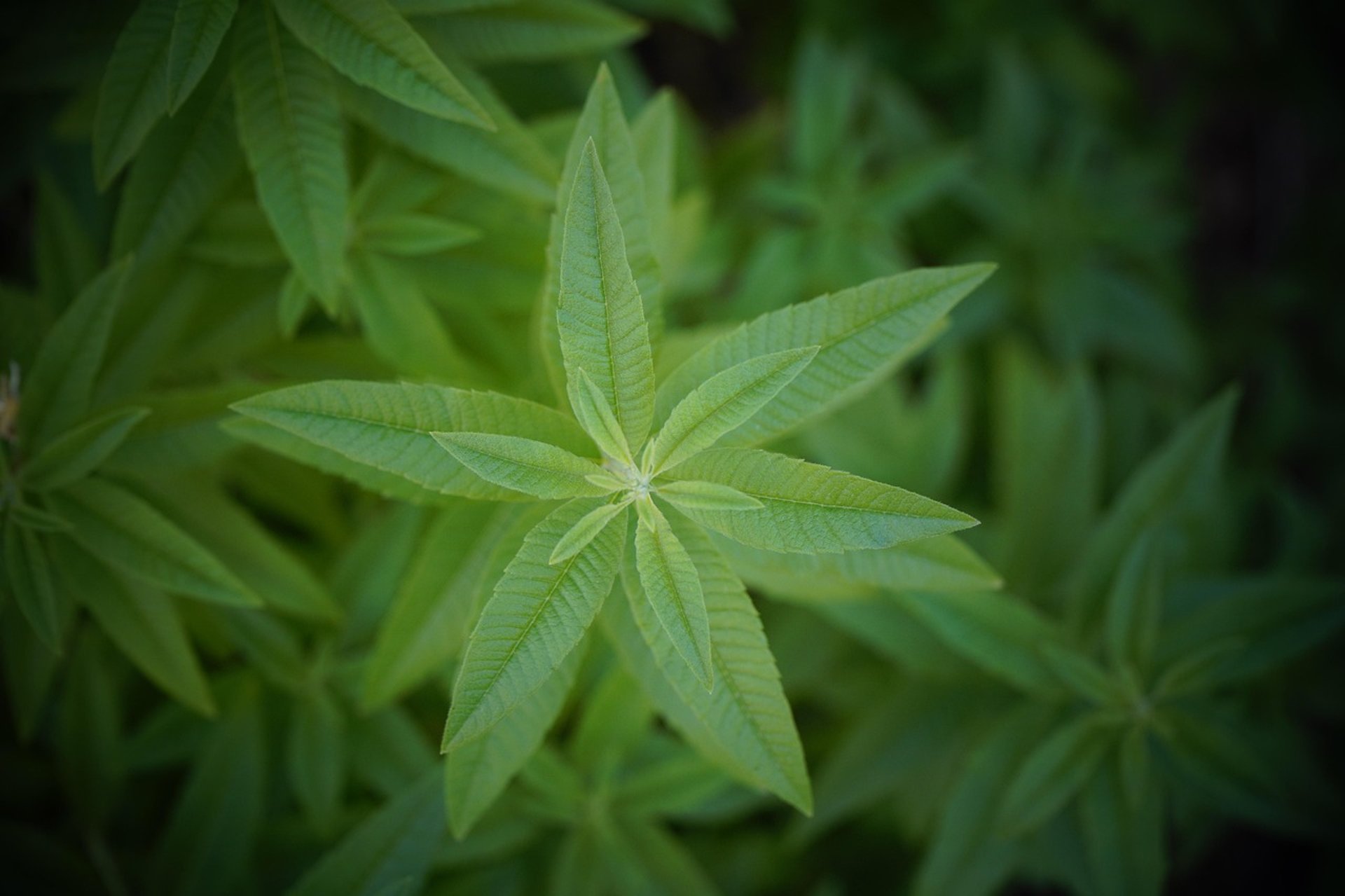
Lemon verbena (Aloysia citrodora) is a fragrant perennial shrub native to South America, particularly regions of Argentina and Chile. In traditional herbal preparations, the leaves are the primary part used.
The plant is known for its strong lemon scent, which intensifies as the leaves are dried. Lemon verbena was introduced to Europe in the 17th century, where it quickly became popular in herbal teas, perfumes, and household remedies.
Traditional & Cultural Uses of Lemon Verbena
Lemon verbena appears throughout many traditional systems and cultural practices:
South American traditions used lemon verbena in refreshing teas and digestive rituals.
European herbalism adopted lemon verbena as a gentle evening herb.
Household herbal practices valued lemon verbena for its pleasant aroma and versatility.
Cultural traditions associated lemon verbena with clarity, freshness, and lightness.
Across cultures, lemon verbena was traditionally used during moments that called for gentle release and refreshment, rather than deep nourishment or stimulation.
How Lemon Verbena Is Traditionally Prepared
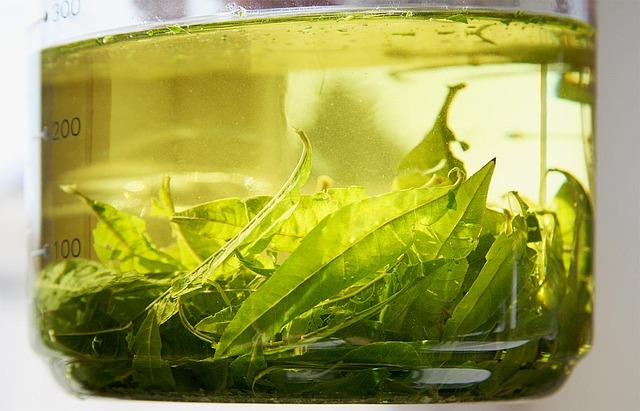
Lemon verbena is most often prepared as a tea or gentle infusion, preserving its aromatic oils and delicate flavor.
Lemon Verbena Tea (Infusion)
This is the most common traditional preparation.
Traditional preparation method:
Add dried or fresh lemon verbena leaves to hot (not boiling) water
Cover and steep for 5–10 minutes
Strain and enjoy warm or cooled
Lemon verbena is also traditionally enjoyed as a chilled tea during warmer months.
Herbal Blends
Lemon verbena is frequently paired with herbs such as:
Mint
Chamomile
Lemon balm
These blends are traditionally enjoyed for their refreshing and balancing qualities.
Taste & Sensory Profile
Lemon verbena has a bright, citrus-forward, and lightly sweet flavor.
Sensory characteristics include:
Clean lemon aroma
Gentle sweetness without acidity
Smooth, refreshing finish
Its clear flavor profile makes lemon verbena suitable for both standalone teas and blends.
Ritual & Energetic Associations
Traditionally, lemon verbena has been associated with:
Refreshment and renewal
Lightness and clarity
Gentle unwinding
Sensory uplift
In ritual contexts, lemon verbena symbolizes clearing through softness. Preparing lemon verbena tea has often been viewed as an act of resetting—washing away heaviness and restoring ease through aroma and warmth.
Lemon Verbena in Herbal Traditions Today
Today, lemon verbena remains a respected botanical in traditional herbal education. Its popularity reflects a desire for simple, aromatic rituals that refresh without overstimulation.
Lemon verbena reminds us that restoration does not always require depth or intensity—sometimes it comes through brightness, simplicity, and ease.
Related Herbal Guides
If you’re exploring lemon verbena, you may also enjoy learning about:
Lemon Balm – gentle and balancing traditions
Peppermint – refreshing sensory rituals
Chamomile – soft and grounding contrasts
(Part of the Flora Amora Herbal Knowledge Library.)
Lemon Verbena & Flora Amora
Lemon verbena is featured in select Flora Amora herbal blends, thoughtfully paired with complementary botanicals to honor traditional preparation methods and refreshing rituals.
Educational Disclaimer
This content is for educational purposes only and reflects traditional and cultural herbal practices. It is not intended to diagnose, treat, or cure any condition.