Enjoy 10% off on herbal remedies! Sign up Now!
Lemon Balm
Lemon Balm: Traditional Uses, Preparation & Herbal Traditions
12/28/20252 min read
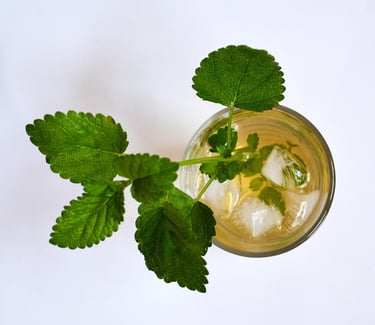
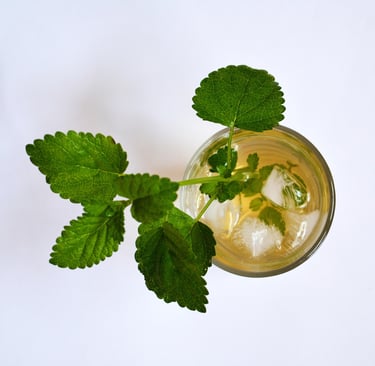
Lemon Balm: Traditional Uses, Preparation & Herbal Traditions
Introduction
Lemon balm has been traditionally used in herbal practices for centuries, appreciated for its gentle nature, uplifting aroma, and calming presence. A member of the mint family, lemon balm has long been incorporated into daily rituals, herbal teas, and cultural traditions centered around balance, ease, and emotional harmony.
This guide explores lemon balm through its traditional and cultural uses, preparation methods, taste profile, and its role in herbal and ritual traditions across history.
What Is Lemon Balm?
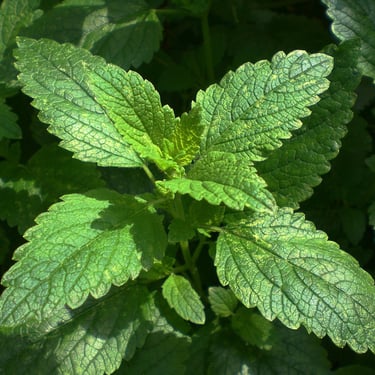
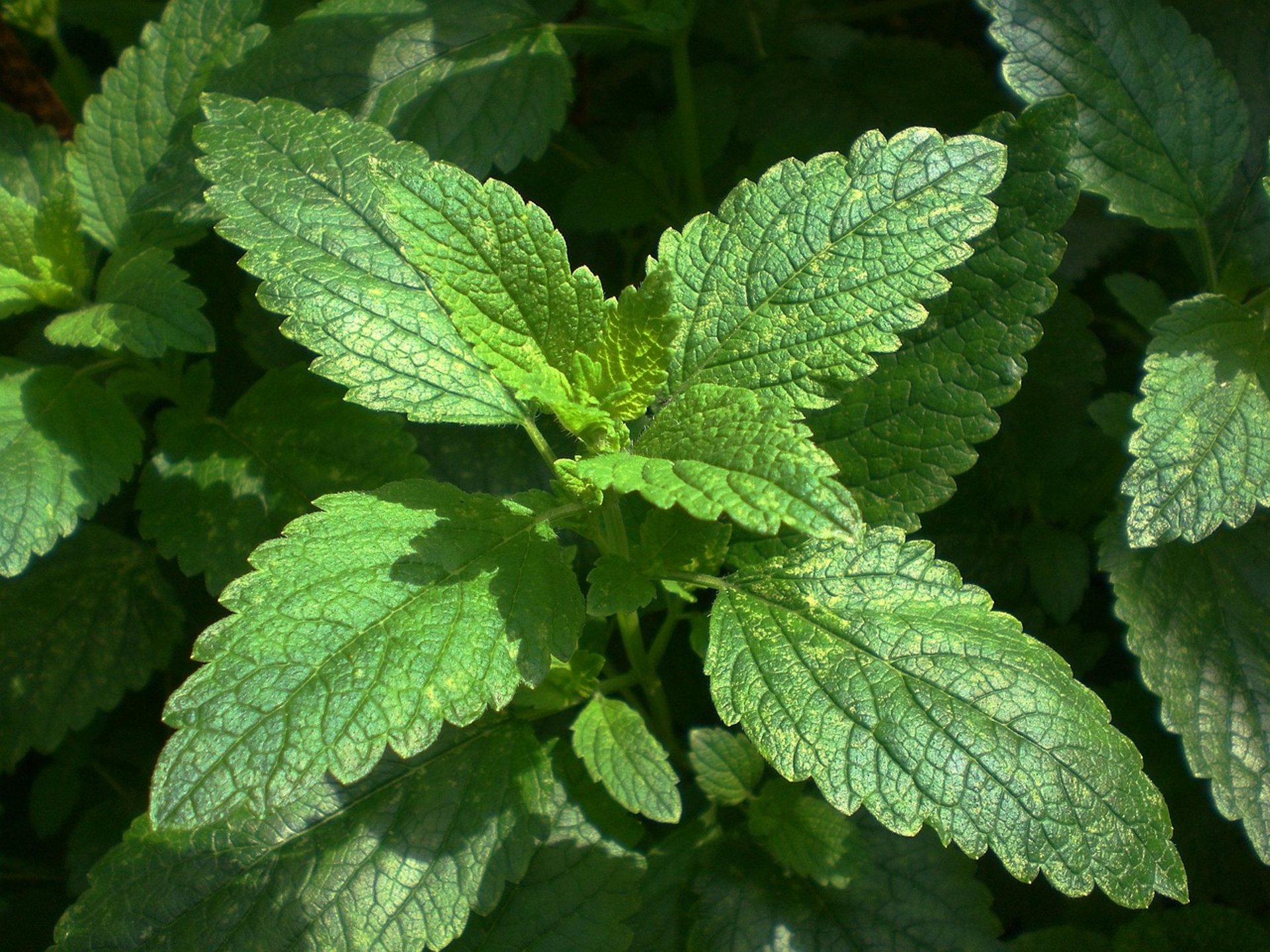
Lemon balm (Melissa officinalis) is a fragrant perennial herb belonging to the mint family (Lamiaceae). The leaves are the primary part traditionally used in herbal preparations.
When fresh or dried, lemon balm releases a soft citrus aroma with subtle herbal notes. Its approachable nature and pleasant scent have made it a staple in household herbal traditions throughout Europe and the Mediterranean.
Traditional & Cultural Uses of Lemon Balm
Lemon balm has a long-standing presence in traditional herbal systems:
European herbal traditions commonly included lemon balm in calming teas and daily tonics.
Monastic herbal practices cultivated lemon balm in gardens for its soothing and restorative symbolism.
Mediterranean cultures valued lemon balm for its gentle, heart-lifting qualities.
Folk traditions passed lemon balm down as a plant associated with comfort, emotional ease, and balance.
Rather than being used for intensity or stimulation, lemon balm was historically embraced for its softening and harmonizing qualities.
How Lemon Balm Is Traditionally Prepared
Lemon balm is typically prepared as a gentle infusion, preserving its aromatic oils and delicate flavor.
Lemon Balm Tea (Infusion)
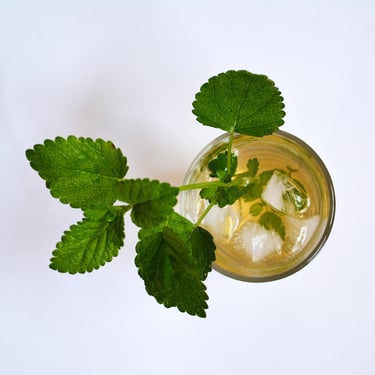
The most common preparation involves steeping dried or fresh leaves in hot water.
Traditional preparation method:
Add lemon balm leaves to hot (not boiling) water
Cover and steep for 5–10 minutes
Strain and enjoy warm
Herbal Blends
Lemon balm is frequently paired with complementary botanicals such as:
Chamomile
Lavender
Rose
These blends are often used in evening rituals or moments of reflection and relaxation.
Fresh Leaf Use
In some traditions, fresh lemon balm leaves are gently bruised and infused to preserve their citrus aroma and bright flavor.
Taste & Sensory Profile
Lemon balm offers a mild citrus flavor with soft herbal undertones.
Sensory characteristics include:
Light lemon aroma
Gentle sweetness
Smooth, refreshing finish
Its subtle profile makes lemon balm an excellent foundation herb, often supporting and balancing stronger botanicals in blends.
Ritual & Energetic Associations
Lemon balm has long been associated with:
Emotional balance
Gentle upliftment
Ease and comfort
Heart-centered rituals
In traditional symbolism, lemon balm represents lightness and reassurance, making it a popular herb during times of emotional transition or mental overwhelm.
Preparing lemon balm tea has often been seen as an act of care—a way to restore softness and calm in daily life.
Lemon Balm in Herbal Traditions Today
Today, lemon balm continues to be cherished for its gentle presence and versatility. It remains a cornerstone herb in calming blends, reflective rituals, and mindful herbal practices.
As modern life accelerates, lemon balm serves as a reminder of simplicity, gentleness, and emotional grounding—qualities that have kept it relevant across centuries.
Related Herbal Guides
If you’re exploring lemon balm, you may also enjoy learning about:
Chamomile – traditionally associated with calming rituals
Lavender – valued for aromatic and evening preparations
Hibiscus – offering a vibrant contrast in flavor and energy
(Part of the Flora Amora Herbal Knowledge Library.)
Lemon Balm & Flora Amora
Lemon balm is featured in select Flora Amora tea blends, thoughtfully paired with organic botanicals to honor traditional preparation methods and mindful herbal practices.
Educational Disclaimer
This content is for educational purposes only and reflects traditional and cultural herbal practices. It is not intended to diagnose, treat, or cure any condition.