Enjoy 10% off on herbal remedies! Sign up Now!
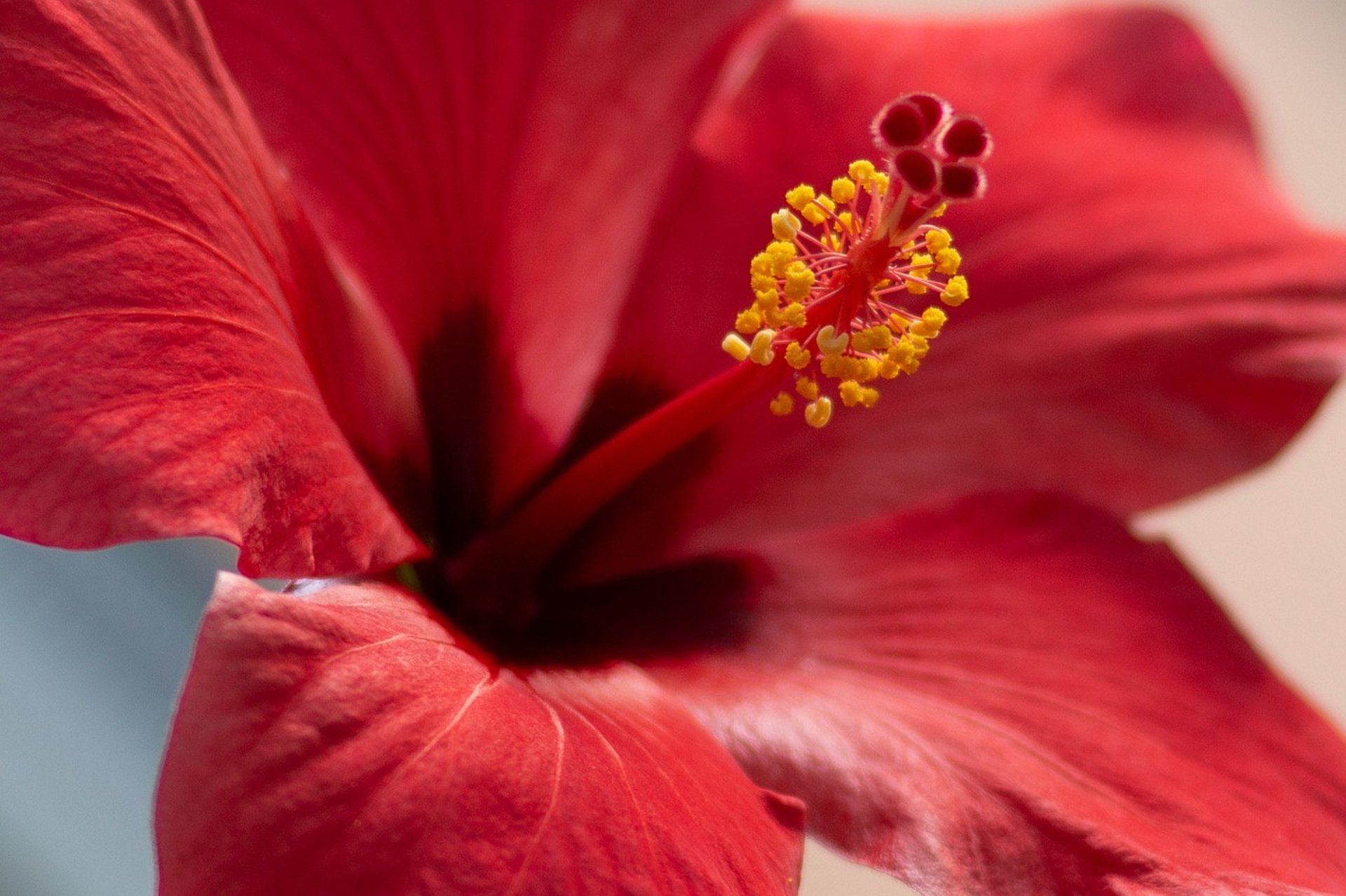
Hibiscus
Hibiscus Tea: Traditional Uses, Flavor Profile & Cultural Traditions
12/28/20252 min read
Hibiscus Tea: Traditional Uses, Flavor Profile & Cultural Traditions
Introduction
Hibiscus has been traditionally used in herbal practices across cultures for centuries, valued for its vibrant color, refreshing taste, and ceremonial presence. Often enjoyed as a warm or chilled herbal tea, hibiscus holds an important place in cultural traditions, social rituals, and daily nourishment practices around the world.
This guide explores hibiscus through its traditional and cultural uses, preparation methods, flavor profile, and the symbolic role it has played in herbal traditions.
What Is Hibiscus?
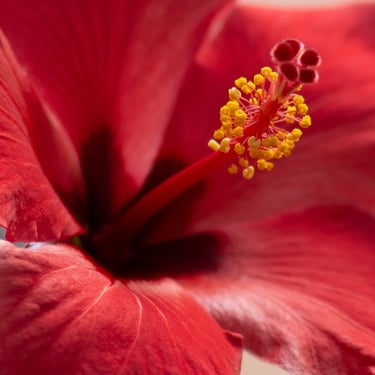
Hibiscus is a flowering plant from the Malvaceae family. While there are many species, Hibiscus sabdariffa is the variety most commonly used in traditional herbal preparations.
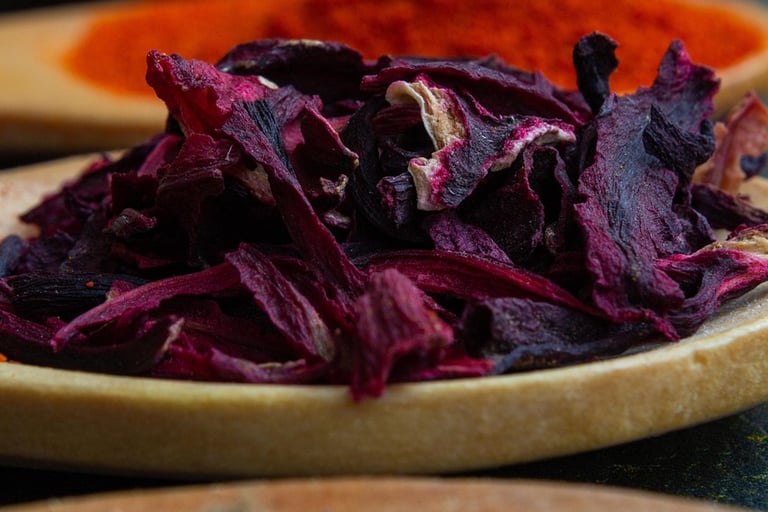
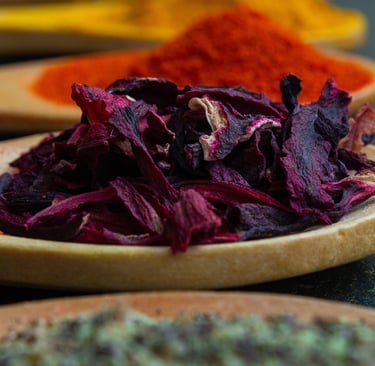
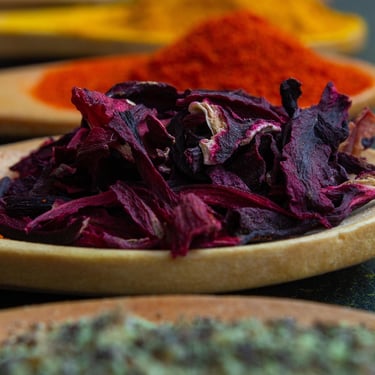
The calyces (the deep red outer parts of the flower) are typically harvested, dried, and used to make herbal teas, infusions, and botanical blends. These calyces are responsible for hibiscus’s distinctive ruby-red color and tart flavor.
Hibiscus has long been appreciated not only for its appearance, but also for its refreshing nature and versatility in preparation.
Traditional & Cultural Uses of Hibiscus
Hibiscus has been woven into daily life and cultural practices across many regions:
West African traditions commonly prepared hibiscus as a chilled or warm beverage shared in social gatherings.
Caribbean cultures often include hibiscus in celebratory drinks and seasonal traditions.
Middle Eastern practices feature hibiscus tea as a refreshing herbal infusion, especially in warmer climates.
Latin American traditions widely enjoy hibiscus as a cold infusion known for its bold color and flavor.
Across cultures, hibiscus has been associated with hospitality, refreshment, and communal connection, rather than a single-purpose use.
How Hibiscus Is Traditionally Prepared
Hibiscus is enjoyed in a variety of preparation styles, depending on climate and tradition.
Hibiscus Tea (Hot Infusion)
Dried hibiscus calyces are steeped in hot water to create a richly colored herbal tea.
Traditional preparation:
Add dried hibiscus to hot water
Steep for 5–10 minutes
Strain and enjoy warm
Cold Infusions
In warmer regions, hibiscus is commonly steeped in cool water for several hours, producing a refreshing, tart beverage.
Herbal Blends
Hibiscus is often paired with complementary botanicals such as:
Rose
Ginger root
Citrus peels
These blends balance hibiscus’s tartness with floral or warming notes.
Taste & Sensory Profile
Hibiscus is known for its bright, tart, and fruity flavor.
Sensory characteristics include:
Cranberry-like tartness
Refreshing acidity
Bold ruby-red color
Because of its vivid appearance and flavor, hibiscus is often enjoyed both on its own and as a centerpiece in herbal blends.
Ritual & Energetic Associations
Hibiscus carries strong symbolic and ritual meaning in many traditions.
Traditionally, hibiscus has been associated with:
Vitality and renewal
Celebration and social connection
Heart-centered rituals
Creative expression
In many cultures, preparing hibiscus tea is a shared experience, reflecting openness, warmth, and hospitality. Its vibrant color has also symbolized life force and emotional expression in ceremonial settings.
Hibiscus in Herbal Traditions Today
Today, hibiscus remains a beloved botanical in herbal culture worldwide. Its versatility, visual beauty, and refreshing nature continue to inspire modern herbal preparations, from simple infusions to elaborate botanical blends.
Hibiscus bridges ancient tradition and modern enjoyment, reminding us that herbal practices are not only functional, but also sensory and communal experiences.
Related Herbal Guides
If you’re exploring hibiscus, you may also enjoy learning about:
Rose – traditionally associated with heart-centered rituals
Chamomile – a gentle herb used in calming preparations
Ginger Root – commonly paired with hibiscus in warming blends
(Part of the Flora Amora Herbal Knowledge Library.)
Hibiscus & Flora Amora
Hibiscus is featured in select Flora Amora tea blends, thoughtfully crafted with organic botanicals to honor traditional preparation methods and intentional herbal pairings.
Educational Disclaimer
This content is for educational purposes only and reflects traditional and cultural herbal practices. It is not intended to diagnose, treat, or cure any condition.