Enjoy 10% off on herbal remedies! Sign up Now!

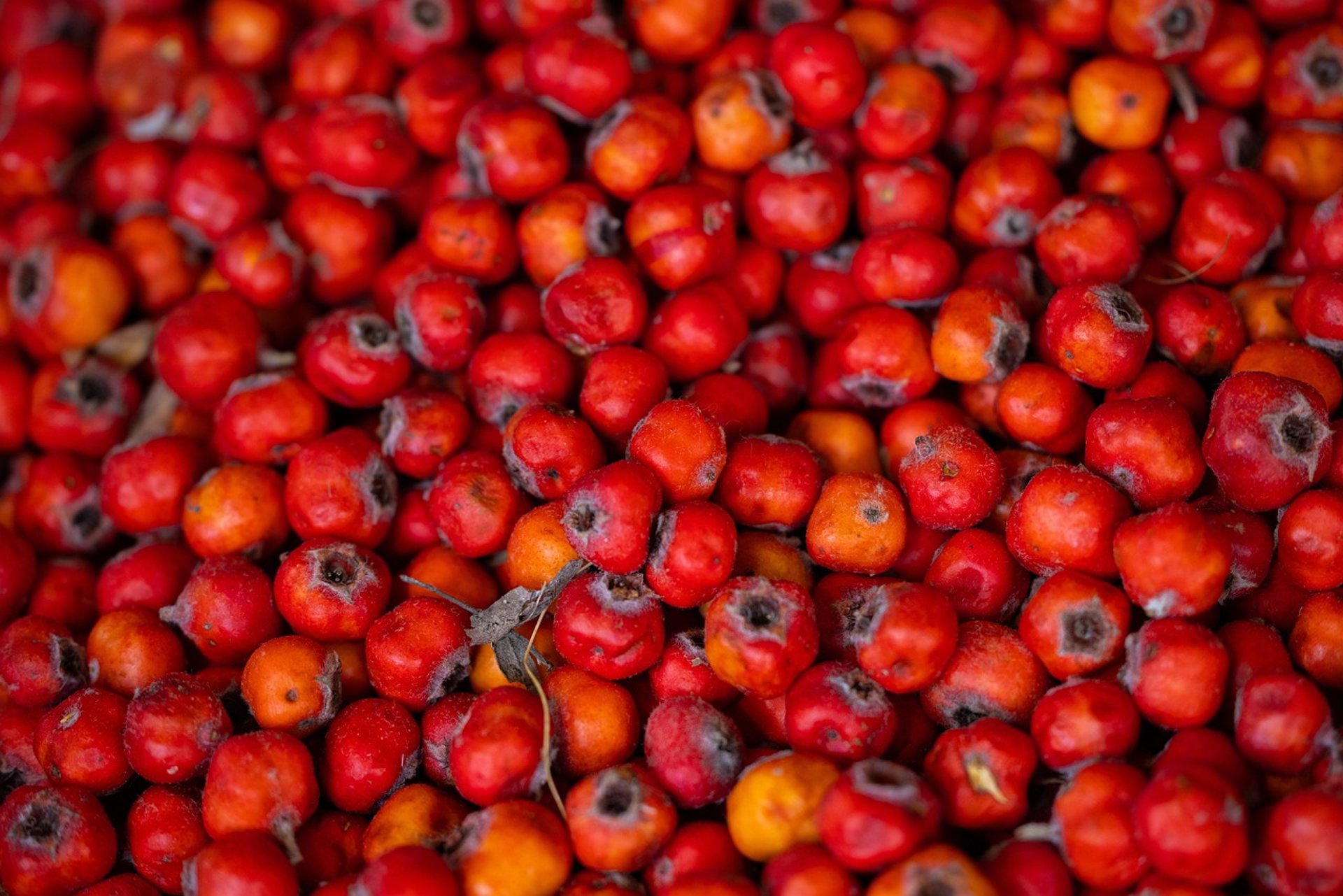
Hawthorn Berry
Hawthorn Berry Tea: Traditional Uses, Preparation & Heart-Centered Traditions
12/30/20252 min read
Hawthorn Berry Tea: Traditional Uses, Preparation & Heart-Centered Traditions
Introduction
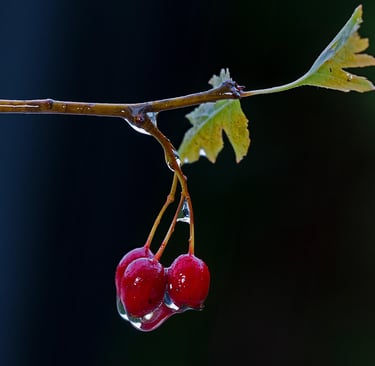
Hawthorn berry has been traditionally used in herbal practices across cultures for centuries, valued for its deep red fruit, seasonal symbolism, and association with heart-centered traditions. Commonly prepared as a tea or decoction, hawthorn berry has long been incorporated into routines centered around connection, steadiness, and emotional balance.
Within traditional herbal contexts, hawthorn berry is appreciated not as a quick or stimulating herb, but as a slow, relational botanical—often used consistently over time and honored for its grounding and reflective nature.
What Is Hawthorn Berry?
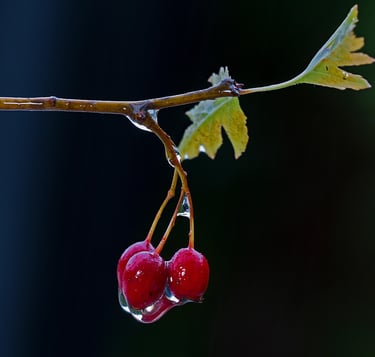
Hawthorn (Crataegus species) is a flowering shrub or small tree native to Europe, North America, and parts of Asia. In traditional herbal preparations, the berries, as well as the leaves and flowers, have been used; however, the berries are most commonly prepared as teas and decoctions.
Hawthorn trees are known for their resilience and longevity. Their berries ripen in late summer to early autumn, making them closely associated with seasonal transition and harvest-time rituals.
Traditional & Cultural Uses of Hawthorn Berry
Hawthorn berry appears throughout many historical and folk traditions:
European folk herbalism used hawthorn berry as part of long-term, steady routines.
Traditional countryside practices associated hawthorn with boundaries, protection, and community spaces.
Mythological traditions linked hawthorn trees to the heart, love, and emotional integrity.
Seasonal customs incorporated hawthorn during autumnal rituals and reflective periods.
Across cultures, hawthorn berry was traditionally used to support emotional steadiness and connection, rather than immediate or dramatic change.
How Hawthorn Berry Is Traditionally Prepared
Hawthorn berry is most often prepared as a decoction, allowing its dense fruit to soften and release its flavor.
Hawthorn Berry Tea (Decoction)
Because the berries are firm, gentle simmering is traditionally preferred.
Traditional preparation method:
Add dried hawthorn berries to water
Gently simmer for 20–30 minutes
Strain and enjoy warm
Some traditions favor longer simmering times for a deeper, richer infusion.
Herbal Blends
Hawthorn berry is frequently paired with herbs such as:
Rose
Linden flower
Cinnamon
These blends are traditionally enjoyed during moments of reflection or evening rituals.
Taste & Sensory Profile
Hawthorn berry has a tart, mildly sweet, and earthy flavor.
Sensory characteristics include:
Subtle berry aroma
Tart, slightly astringent taste
Warm, grounding finish
Its complex profile reflects its traditional role as a slow, contemplative herbal preparation.
Ritual & Energetic Associations
Traditionally, hawthorn berry has been associated with:
Heart-centered awareness
Emotional grounding
Boundaries and protection
Patience and consistency
In ritual contexts, hawthorn symbolizes strength through connection. Preparing hawthorn berry tea has often been viewed as an act of tending—nurturing steadiness, trust, and inner balance over time.
Hawthorn Berry in Herbal Traditions Today
Today, hawthorn berry remains a respected botanical in traditional herbal education. Its continued use reflects an understanding that deep support often unfolds gradually and is sustained through regular, intentional practice.
Hawthorn berry reminds us that strength does not always come from intensity, but from gentle consistency and rooted connection.
Related Herbal Guides
If you’re exploring hawthorn berry, you may also enjoy learning about:
Rose – heart-centered ceremonial traditions
Linden Flower – gentle emotional support rituals
Elderberry – seasonal nourishment and resilience
(Part of the Flora Amora Herbal Knowledge Library.)
Hawthorn Berry & Flora Amora
Hawthorn berry is featured in select Flora Amora herbal blends, thoughtfully paired with complementary botanicals to honor traditional preparation methods and heart-centered rituals.
Educational Disclaimer
This content is for educational purposes only and reflects traditional and cultural herbal practices. It is not intended to diagnose, treat, or cure any condition.