Enjoy 10% off on herbal remedies! Sign up Now!
Gotu Kola
Gotu Kola: Traditional Uses, Preparation & Focus Rituals
12/30/20252 min read
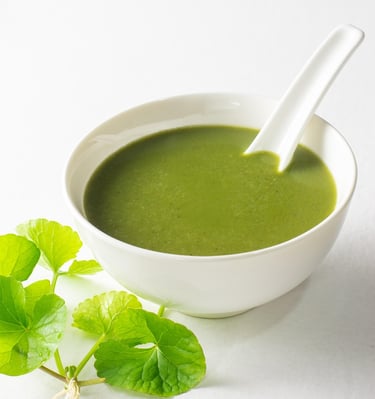
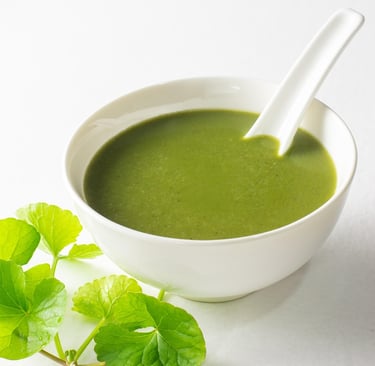
Gotu Kola: Traditional Uses, Preparation & Focus Rituals
Introduction
Gotu kola has been traditionally used in herbal practices across many cultures for centuries, valued for its association with clarity, longevity, and contemplative focus. Commonly prepared as a tea, infusion, or powdered preparation, gotu kola has long been incorporated into daily rituals centered around mental presence, balance, and steady awareness.
Within traditional herbal contexts, gotu kola is appreciated not as a stimulant, but as a centering herb—often used slowly and consistently as part of practices involving study, meditation, and mindful living.
What Is Gotu Kola?
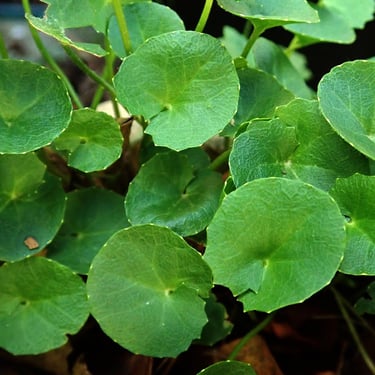
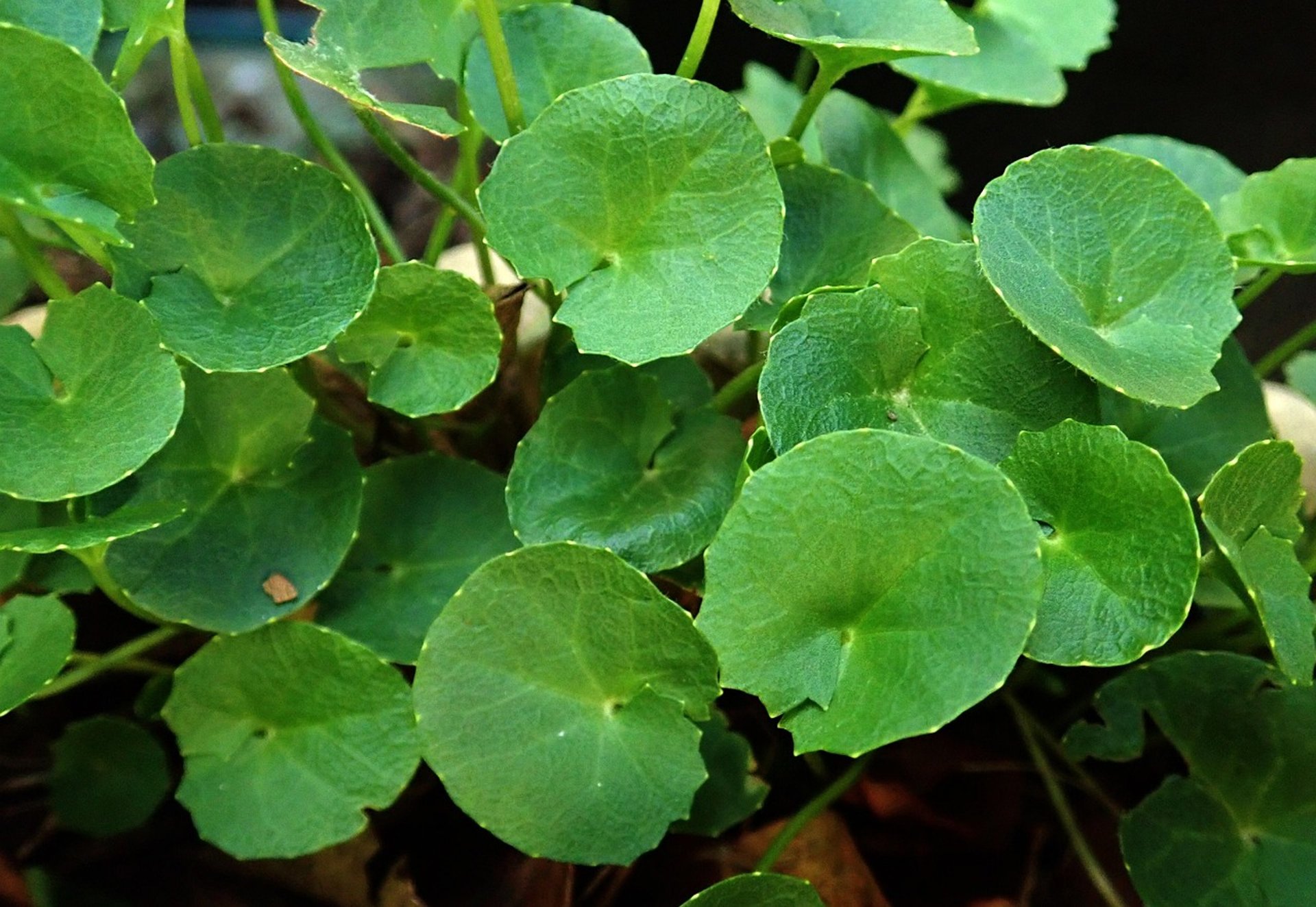
Gotu kola (Centella asiatica) is a low-growing, leafy plant native to regions of Asia, including India, Sri Lanka, and Southeast Asia. The leaves and stems are the parts most commonly referenced in traditional herbal preparations.
Despite its common name, gotu kola is not related to kola nuts and contains no caffeine. Its mild flavor and gentle nature have made it a staple herb in traditional systems that emphasize longevity, balance, and sustained mental clarity.
Traditional & Cultural Uses of Gotu Kola
Gotu kola holds a respected place in several traditional herbal systems:
Ayurvedic traditions associated gotu kola with practices of meditation, learning, and longevity.
Traditional Chinese herbalism valued gotu kola as a plant connected to vitality and sustained balance.
Southeast Asian folk practices commonly incorporated gotu kola into daily beverages and tonics.
Monastic and scholarly traditions historically used gotu kola during periods of study and contemplation.
Across cultures, gotu kola was traditionally used for long-term cultivation of clarity, rather than immediate or forceful effects.
How Gotu Kola Is Traditionally Prepared
Gotu kola is prepared in several traditional ways, depending on region and practice.
Gotu Kola Tea (Infusion)
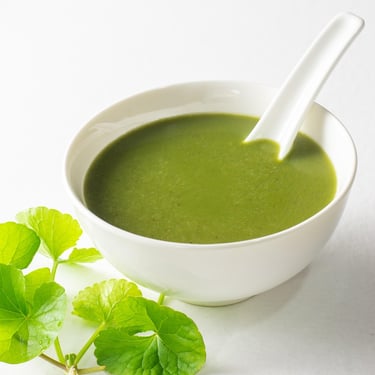
The most common preparation involves gently steeping dried or fresh leaves.
Traditional preparation method:
Add gotu kola leaves to hot (not boiling) water
Cover and steep for 10–15 minutes
Strain and enjoy warm
Powdered Preparations
In some traditions, dried gotu kola leaves are ground into a fine powder and mixed into warm water or other beverages.
Herbal Blends
Gotu kola is often paired with complementary herbs such as:
Rosemary
Lemon balm
Ginger root
These blends are traditionally associated with focus, balance, and mental steadiness.
Taste & Sensory Profile
Gotu kola has a mild, earthy, and slightly bitter flavor.
Sensory characteristics include:
Subtle green notes
Light bitterness
Clean, grounding finish
Because of its understated taste, gotu kola is often blended with more aromatic herbs to create balanced preparations.
Ritual & Energetic Associations
Traditionally, gotu kola has been associated with:
Mental clarity and focus
Longevity practices
Meditation and contemplative rituals
Balance between body and mind
In ritual contexts, gotu kola symbolizes steady awareness and patience. Preparing gotu kola tea has historically been viewed as an act of discipline—supporting focus through routine rather than intensity.
Gotu Kola in Herbal Traditions Today
Today, gotu kola remains a respected botanical in herbal traditions around the world. Its historical connection to learning, mindfulness, and longevity continues to influence modern herbal guides and intentional practices.
Gotu kola reminds us that clarity is often cultivated gradually—through consistency, presence, and mindful ritual.
Related Herbal Guides
If you’re exploring gotu kola, you may also enjoy learning about:
Rosemary – traditionally associated with memory and clarity
Lemon Balm – balancing and calming in herbal practices
Peppermint – refreshing and perceptual in focus rituals
(Part of the Flora Amora Herbal Knowledge Library.)
Gotu Kola & Flora Amora
Gotu kola is featured in select Flora Amora tea blends, thoughtfully paired with complementary botanicals to honor traditional preparation methods and intentional herbal practices.
Educational Disclaimer
This content is for educational purposes only and reflects traditional and cultural herbal practices. It is not intended to diagnose, treat, or cure any condition.