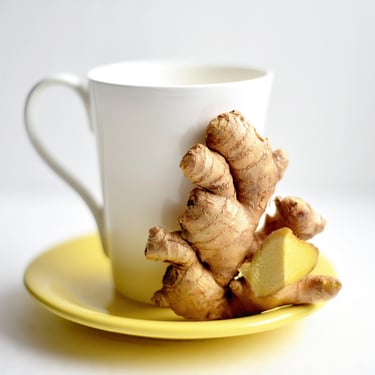
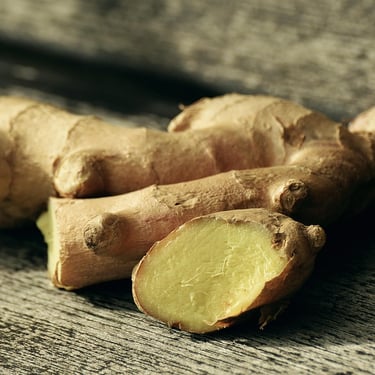
Enjoy 10% off on herbal remedies! Sign up Now!
Ginger Root
Ginger Root: Traditional Herbal Uses & Warming Preparations
12/28/20252 min read
Ginger Root: Traditional Herbal Uses & Warming Preparations
Introduction
Ginger root has been traditionally used in herbal practices across cultures for thousands of years. Known for its warming nature and bold flavor, ginger has played an essential role in daily rituals, culinary traditions, and herbal preparations around the world.
This guide explores ginger root through its traditional and cultural uses, preparation methods, taste profile, and the symbolic role it holds in herbal traditions.
What Is Ginger Root?
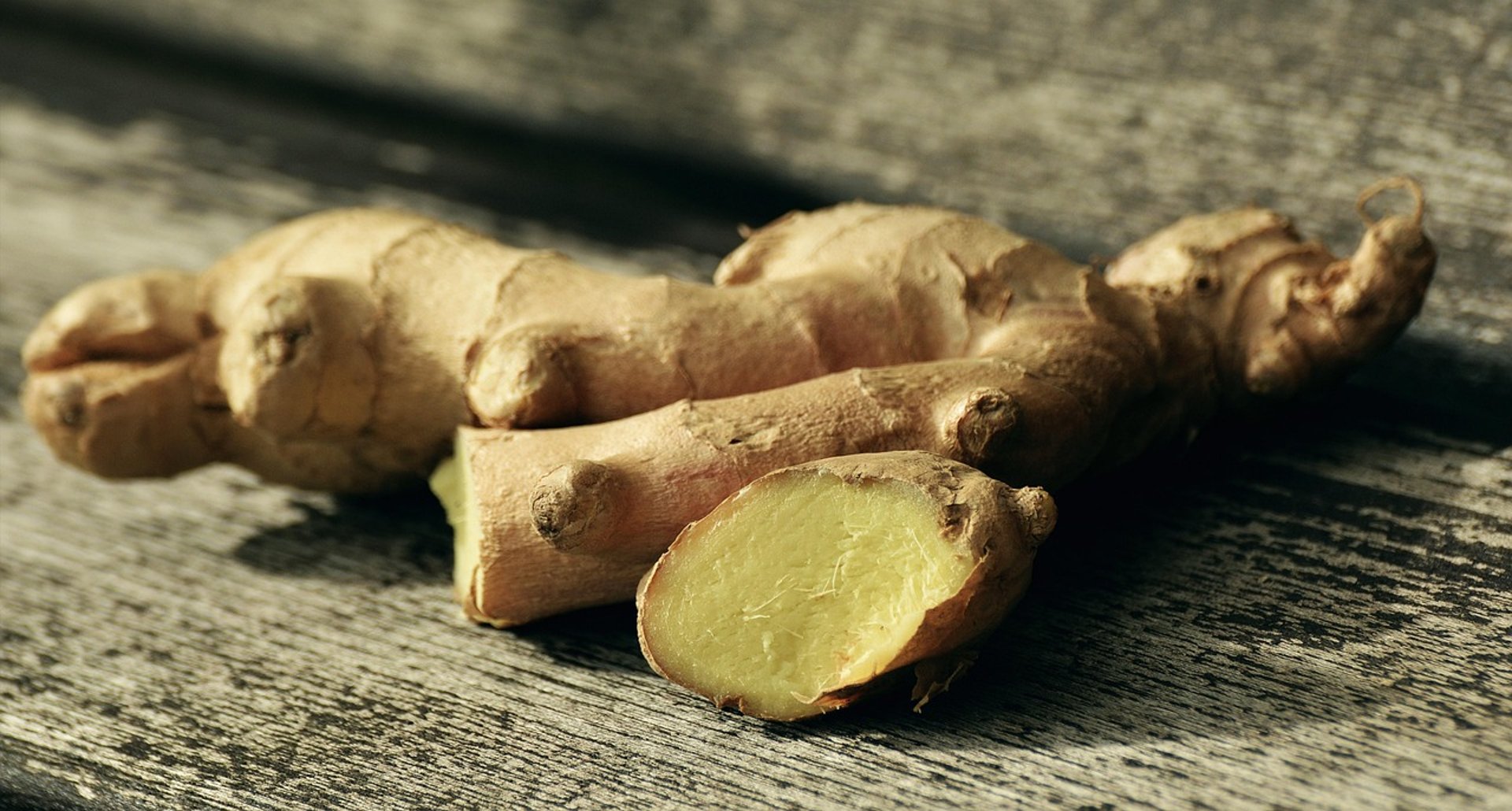
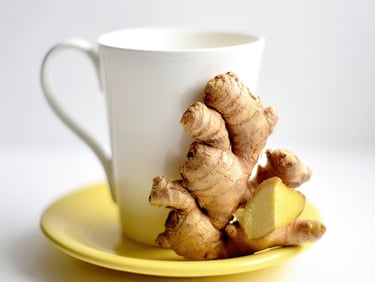
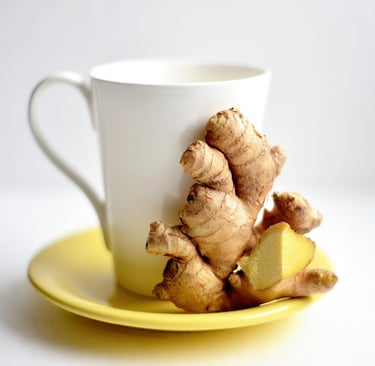
Ginger comes from the underground rhizome of the plant Zingiber officinale. Unlike leafy herbs or flowers, the root (rhizome) is the part traditionally used in both culinary and herbal preparations.
Once harvested, ginger root may be used fresh, dried, sliced, or ground, depending on the tradition and intended preparation. Its strong aroma and warming character have made it a staple herb across many regions for centuries.
Traditional & Cultural Uses of Ginger Root
Ginger root has deep roots in global herbal and cultural traditions:
Asian traditions, including Chinese and Ayurvedic practices, have long incorporated ginger into daily routines and warming preparations.
Middle Eastern cultures valued ginger for its aromatic and invigorating qualities.
African and Caribbean traditions often prepared ginger infusions as part of social and seasonal rituals.
European herbal folklore included ginger in warming teas and spiced preparations.
Across cultures, ginger has symbolized movement, warmth, and vitality, often prepared during cooler seasons or transitional periods.
How Ginger Root Is Traditionally Prepared
Ginger is one of the most versatile herbs in traditional preparation.
Ginger Tea (Decoction)
Unlike delicate flowers, ginger root is often simmered to extract its bold properties.
Traditional preparation method:
Slice fresh or dried ginger root
Simmer gently in water for 10–20 minutes
Strain and enjoy warm
Infusions & Blends
Ginger is frequently paired with other botanicals such as:
Lemon peel
Hibiscus
Cinnamon
Honey (as a traditional sweetener)
These blends are commonly enjoyed as warming or invigorating preparations.
Culinary-Herbal Use
In many cultures, ginger exists at the crossroads of food and herbal tradition, appearing in broths, tonics, and spiced beverages.
Taste & Sensory Profile
Ginger root is known for its warm, spicy, and slightly sweet flavor.
Sensory characteristics include:
Zesty heat
Earthy undertones
Warming sensation
Its bold profile makes ginger a grounding and energizing herb, often used in small amounts to enhance other botanicals.
Ritual & Energetic Associations
Traditionally, ginger root has been associated with:
Warmth and internal fire
Movement and circulation
Motivation and activation
Seasonal transitions
In ritual contexts, ginger has symbolized energy and forward motion, making it a popular choice in morning preparations or during times of renewal and change.
Preparing ginger tea has often been viewed as an intentional act of awakening—inviting warmth and vitality into the body and spirit.
Ginger Root in Herbal Traditions Today
Today, ginger remains one of the most widely used roots in herbal traditions worldwide. Its adaptability and bold character continue to inspire both traditional and modern preparations.
From simple teas to layered botanical blends, ginger serves as a reminder of the power of roots—anchoring, warming, and energizing herbal practices across cultures.
Related Herbal Guides
If you’re exploring ginger root, you may also enjoy learning about:
Hibiscus – often paired with ginger in vibrant infusions
Chamomile – a gentle contrast to ginger’s warmth
Mullein Leaf – traditionally explored in seasonal herbal routines
(Part of the Flora Amora Herbal Knowledge Library.)
Ginger Root & Flora Amora
Ginger root is featured in select Flora Amora tea blends, thoughtfully paired with complementary botanicals to honor traditional preparation methods and intentional herbal practices.
Educational Disclaimer
This content is for educational purposes only and reflects traditional and cultural herbal practices. It is not intended to diagnose, treat, or cure any condition.