Enjoy 10% off on herbal remedies! Sign up Now!

Fennel
Fennel Seed Tea: Traditional Uses, Preparation & Digestive Rituals
12/30/20252 min read
Fennel Seed Tea: Traditional Uses, Preparation & Digestive Rituals
Introduction
Fennel seed has been traditionally used in herbal practices across cultures for centuries, valued for its aromatic sweetness, warming nature, and role in post-meal rituals. Commonly prepared as a tea or gentle infusion, fennel has long been incorporated into daily routines centered around comfort, balance, and mindful digestion.
Within traditional herbal contexts, fennel seed is appreciated not as a quick remedy, but as a ritual herb—often consumed slowly after eating or during moments when the body seeks grounding and ease.
What Is Fennel Seed?
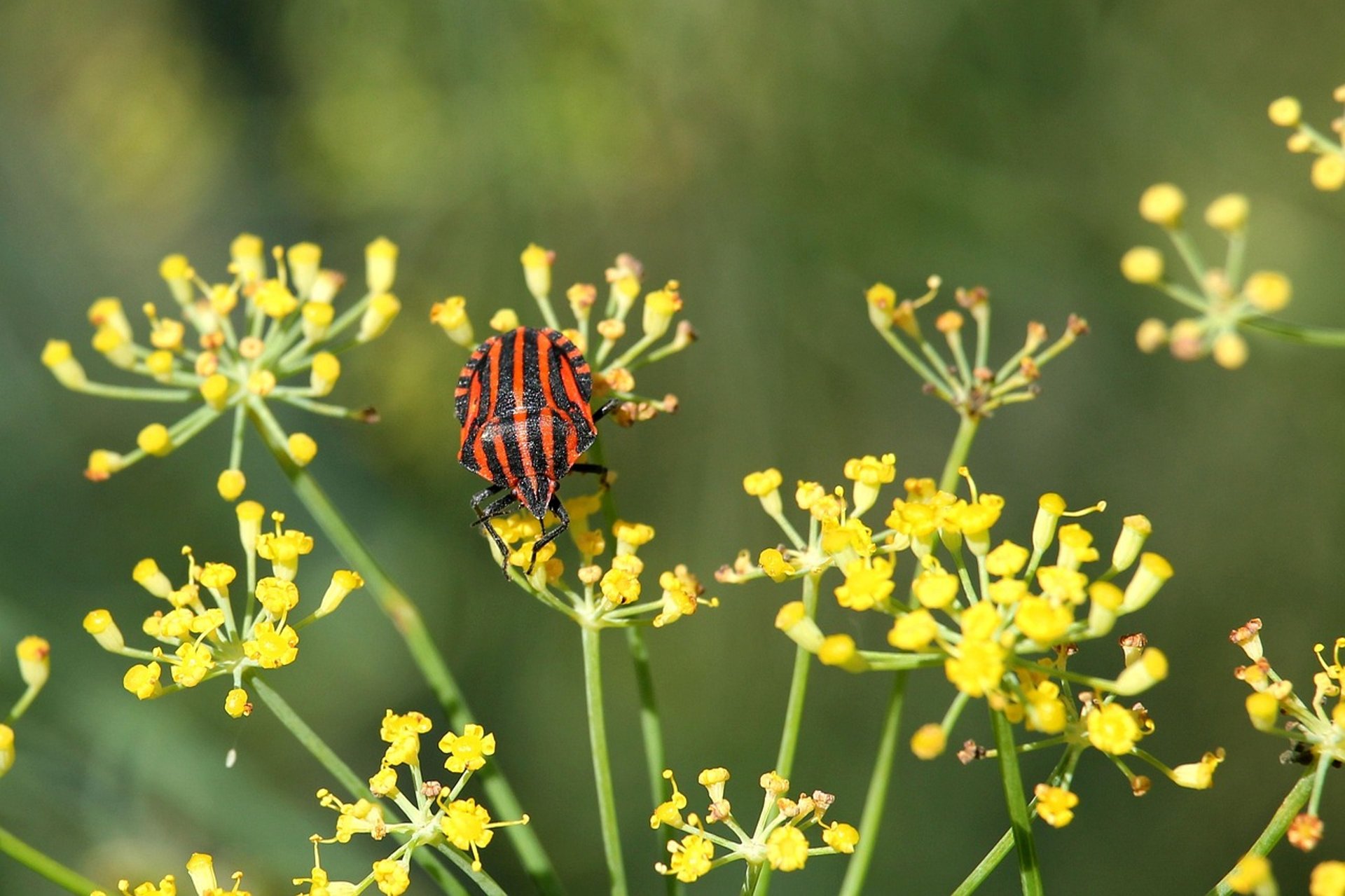
Fennel (Foeniculum vulgare) is a flowering plant belonging to the carrot family (Apiaceae). While the plant includes bulbs, leaves, and flowers, the seeds are the part most commonly referenced in traditional herbal preparations.
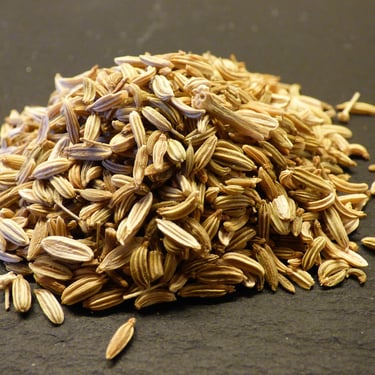
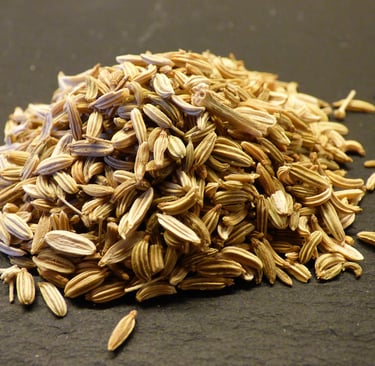
Fennel seeds are small, pale green to brown, and highly aromatic. Once harvested and dried, they are used whole or lightly crushed for teas, infusions, and herbal blends. Their naturally sweet and warming profile has made fennel a staple in both culinary and herbal traditions.
Traditional & Cultural Uses of Fennel
Fennel seed appears prominently in many traditional systems:
Mediterranean cultures used fennel seeds after meals as part of digestive rituals.
Ayurvedic traditions incorporated fennel into daily routines associated with balance and warmth.
Middle Eastern practices often included fennel in aromatic teas and seed blends.
European folk herbalism valued fennel as a gentle, everyday household herb.
Across cultures, fennel seed was traditionally used not for urgency, but for slow, consistent support, often paired with mindful eating and intentional rest.
How Fennel Seed Is Traditionally Prepared
Fennel seed is most often prepared as a tea or infusion, sometimes lightly crushed to release its aromatic oils.
Fennel Seed Tea (Infusion)
This is the most common traditional preparation.
Traditional preparation method:
Lightly crush fennel seeds using a mortar or spoon
Add seeds to hot (not boiling) water
Cover and steep for 7–10 minutes
Strain and enjoy warm
Herbal Blends
Fennel seed is frequently paired with other botanicals such as:
Peppermint
Ginger root
Chamomile
These blends are traditionally enjoyed after meals or in the evening.
Culinary-Herbal Use
In many traditions, fennel seeds were gently chewed or brewed following meals, highlighting the overlap between food, ritual, and herbal practice.
Taste & Sensory Profile
Fennel seed offers a naturally sweet, mildly spicy, and licorice-like flavor.
Sensory characteristics include:
Warm, aromatic scent
Subtle sweetness
Smooth, comforting finish
Because of its gentle sweetness, fennel seed is often enjoyed on its own or used to soften stronger herbs in blends.
Ritual & Energetic Associations
Traditionally, fennel seed has been associated with:
Grounding and warmth
Post-meal rituals
Comfort and settling
Internal balance
In ritual contexts, fennel represents nourishment and digestion on both physical and symbolic levels. Preparing fennel tea has historically been seen as an act of care—an invitation to slow down, breathe, and allow the body to settle naturally.
Fennel Seed in Herbal Traditions Today
Today, fennel seed remains a foundational herb in herbal traditions worldwide. Its accessibility, gentle nature, and versatility continue to make it a staple in both herbal guides and everyday routines.
Fennel seed’s enduring role reflects the understanding that digestion is not only physical, but rhythmic and ritualistic, influenced by pace, attention, and environment.
Related Herbal Guides
If you’re exploring fennel seed, you may also enjoy learning about:
Peppermint – traditionally paired with fennel in post-meal teas
Ginger Root – warming and grounding in herbal preparations
Chamomile – often blended with fennel for gentle balance
(Part of the Flora Amora Herbal Knowledge Library.)
Fennel Seed & Flora Amora
Fennel seed is featured in select Flora Amora tea blends, thoughtfully combined with complementary botanicals to honor traditional preparation methods and intentional herbal rituals.
Educational Disclaimer
This content is for educational purposes only and reflects traditional and cultural herbal practices. It is not intended to diagnose, treat, or cure any condition.