Enjoy 10% off on herbal remedies! Sign up Now!
Elderflower
Elderflower Tea: Traditional Uses, Preparation & Seasonal Rituals
12/30/20252 min read
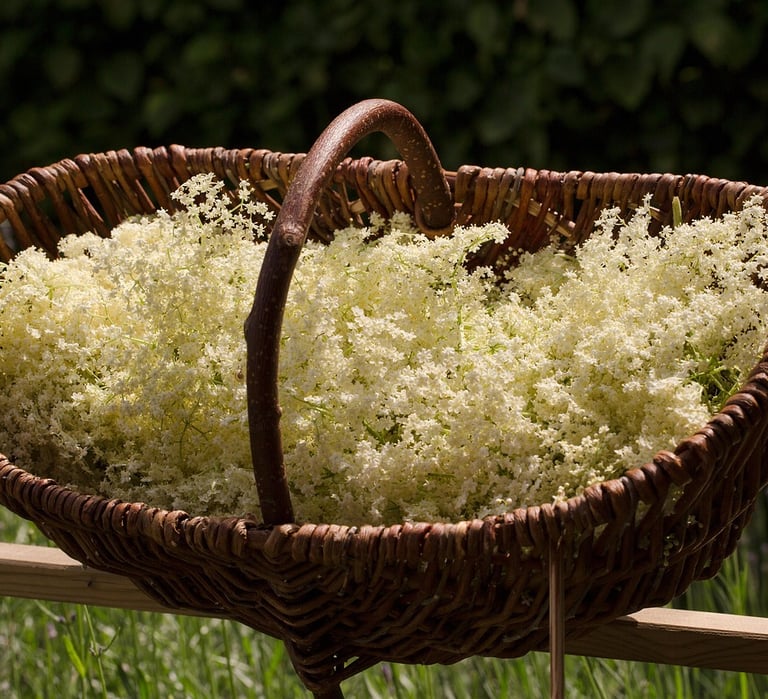
Elderflower Tea: Traditional Uses, Preparation & Seasonal Rituals
Introduction
Elderflower has been traditionally used in herbal practices across cultures for centuries, valued for its delicate fragrance, light floral character, and association with seasonal transition. Commonly prepared as a tea or infusion, elderflower has long been incorporated into spring and early summer rituals centered around renewal, gentleness, and subtle refreshment.
Within traditional herbal contexts, elderflower is appreciated not for strength or intensity, but for its light, opening presence—often chosen during times of seasonal shift and gentle recalibration.
What Is Elderflower?
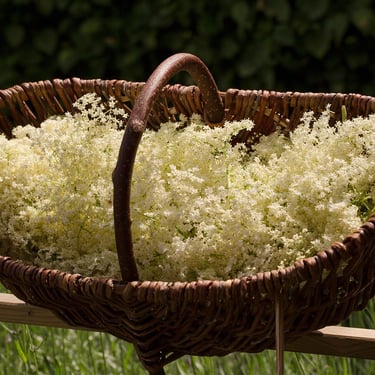
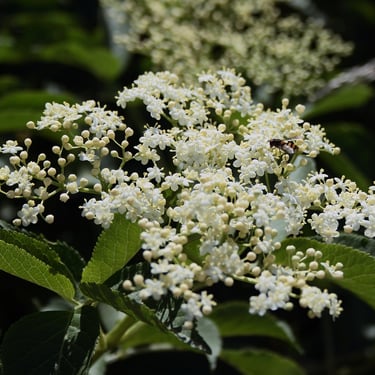
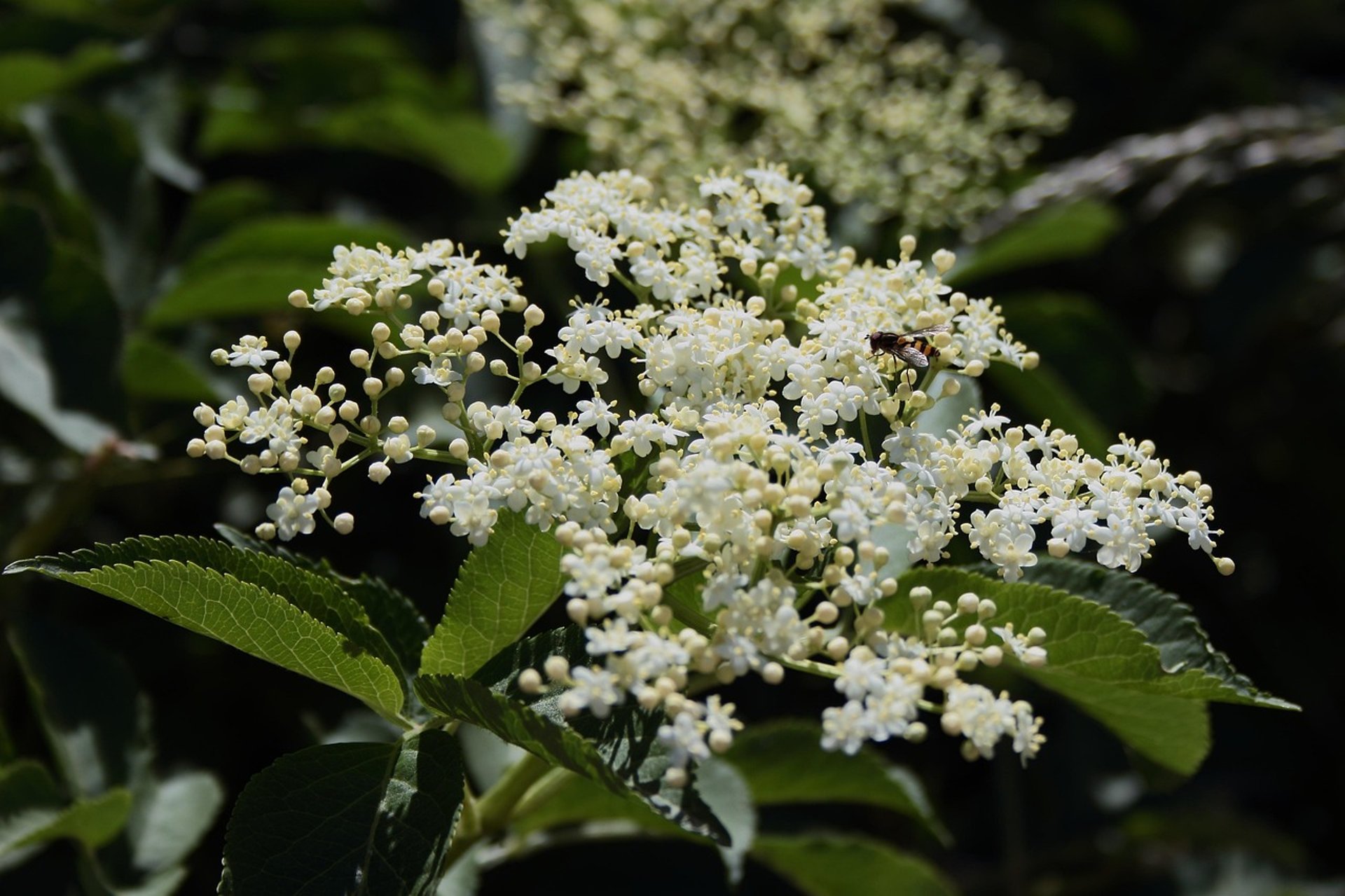
Elderflower comes from the elder tree (Sambucus nigra), a flowering shrub native to Europe and parts of North America. In traditional herbal preparations, the flowers are harvested in late spring or early summer, when they are fully open and fragrant.
Elder trees have held deep cultural significance across folklore and herbal traditions. The flowers, berries, and bark were each used differently, with elderflower specifically associated with lightness, airiness, and seasonal freshness.
Traditional & Cultural Uses of Elderflower
Elderflower appears throughout many traditional systems and folk practices:
European folk traditions used elderflower tea during seasonal transitions, especially spring.
Rural herbal practices often prepared elderflower shortly after harvest as a celebratory seasonal ritual.
Traditional household remedies included elderflower in gentle teas and floral infusions.
Folklore traditions regarded the elder tree as protective and symbolic of renewal.
Across cultures, elderflower was traditionally used during moments that called for soft clearing and gentle opening, rather than deep nourishment or stimulation.
How Elderflower Is Traditionally Prepared
Elderflower is most often prepared as a gentle infusion, preserving its delicate aroma and floral taste.
Elderflower Tea (Infusion)
This is the most common traditional preparation.
Traditional preparation method:
Add dried elderflowers to hot (not boiling) water
Cover and steep for 5–10 minutes
Strain and enjoy warm or slightly cooled
Because elderflower is delicate, longer steeping times are generally avoided.
Herbal Blends
Elderflower is frequently paired with herbs such as:
Yarrow
Linden flower
Peppermint
These blends are traditionally enjoyed during seasonal transitions or warmer months.
Taste & Sensory Profile
Elderflower has a light, floral, and subtly sweet flavor.
Sensory characteristics include:
Fresh, honey-like aroma
Soft floral taste
Clean, refreshing finish
Its gentle profile makes elderflower especially suited for blending and occasional use.
Ritual & Energetic Associations
Traditionally, elderflower has been associated with:
Seasonal renewal
Lightness and openness
Transition and change
Gentle clearing rituals
In ritual contexts, elderflower symbolizes movement and emergence. Preparing elderflower tea has often been viewed as a way to mark seasonal shifts—welcoming new cycles with softness rather than force.
Elderflower in Herbal Traditions Today
Today, elderflower remains a respected botanical in traditional herbal education, especially within guides focused on seasonal living and gentle ritual. Its continued use reflects an understanding that transitions can be supported through light, intentional practices.
Elderflower reminds us that change does not always need to be intense—it can be graceful, fragrant, and quietly refreshing.
Related Herbal Guides
If you’re exploring elderflower, you may also enjoy learning about:
Yarrow – grounding and balancing in folk traditions
Linden Flower – softening and comforting rituals
Chamomile – gentle, familiar seasonal use
(Part of the Flora Amora Herbal Knowledge Library.)
Elderflower & Flora Amora
Elderflower is featured in select Flora Amora herbal blends, thoughtfully paired with complementary botanicals to honor traditional preparation methods and seasonal rituals.
Educational Disclaimer
This content is for educational purposes only and reflects traditional and cultural herbal practices. It is not intended to diagnose, treat, or cure any condition.