Enjoy 10% off on herbal remedies! Sign up Now!
Elderberry
Elderberry Tea: Traditional Uses, Preparation & Cultural Traditions
12/30/20252 min read
Elderberry Tea: Traditional Uses, Preparation & Cultural Traditions
Introduction
Elderberry has been traditionally used in herbal practices across cultures for centuries, valued for its deep color, seasonal symbolism, and role in long-standing folk traditions. Commonly prepared as a tea, decoction, or syrup, elderberry has long been incorporated into seasonal routines centered around transition, resilience, and communal care.
Within traditional herbal contexts, elderberry is appreciated not as a daily beverage, but as a seasonal botanical—often prepared intentionally during particular times of year and shared within households and communities.
What Is Elderberry?
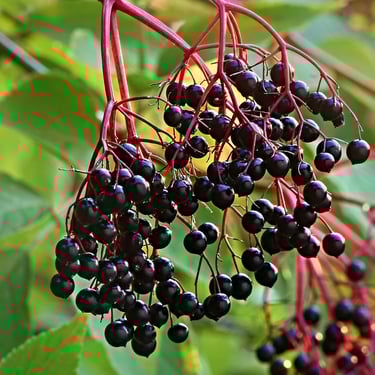
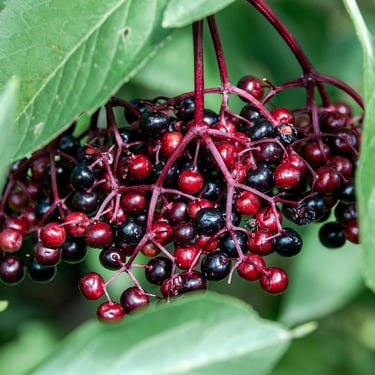
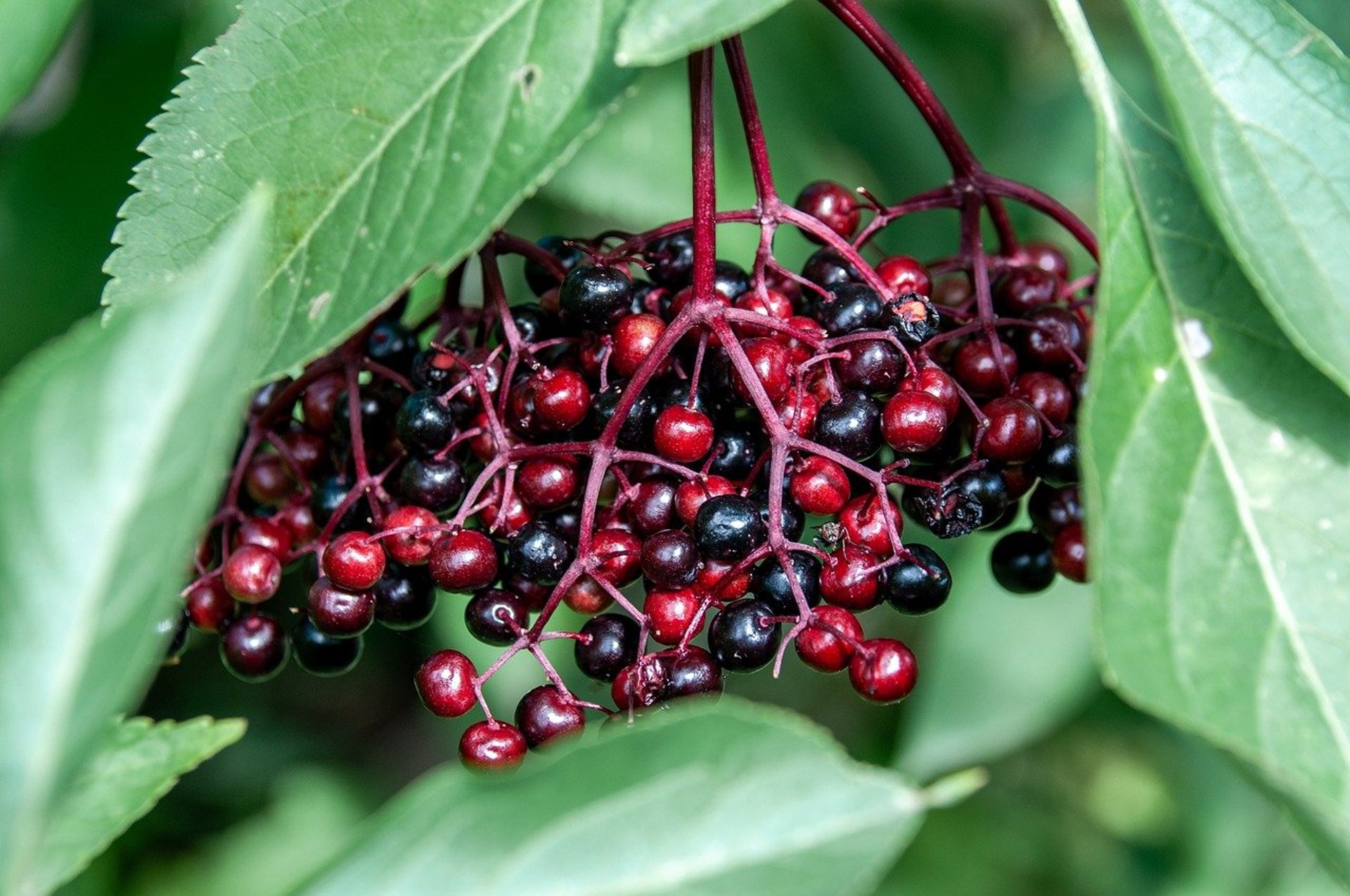
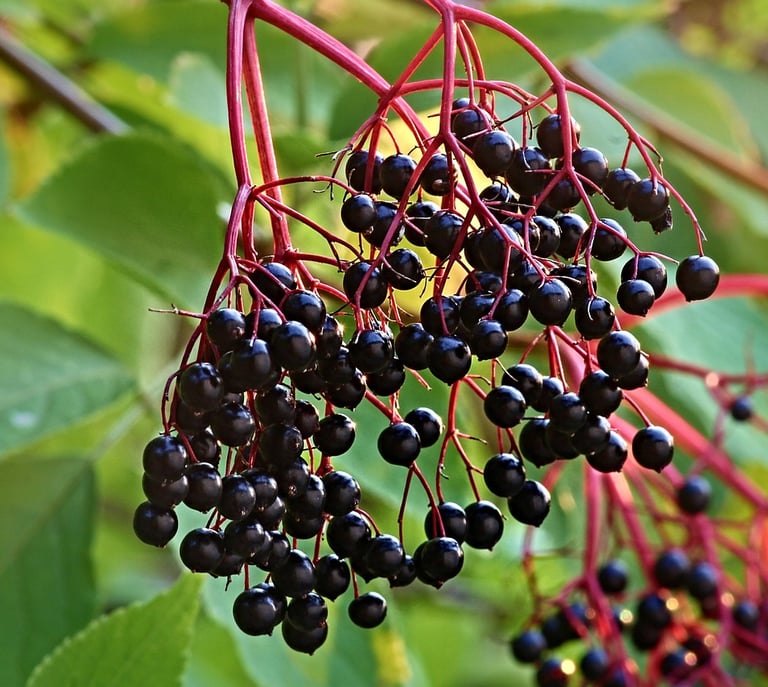
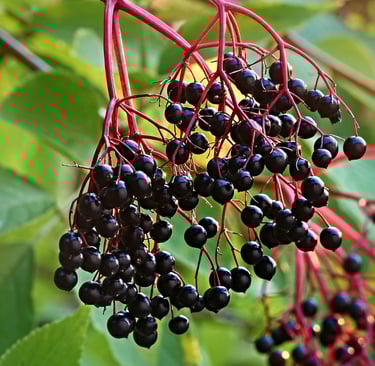
Elderberry comes from the elder tree (Sambucus nigra), a flowering shrub native to Europe and parts of North America. In traditional preparations, the ripe, dark berries are the primary part used. (The berries are traditionally cooked or dried before use.)
The elder tree has held deep cultural significance across folklore, with different parts of the plant used for distinct purposes. Elderberries, in particular, were associated with depth, nourishment, and the closing phases of seasonal cycles.
Traditional & Cultural Uses of Elderberry
Elderberry appears throughout many historical and folk traditions:
European folk traditions prepared elderberry during late summer and autumn.
Rural household practices often made elderberry teas or syrups as part of seasonal routines.
Traditional food-herb customs blurred the line between nourishment and ritual.
Folklore traditions regarded the elder tree as protective and powerful, deserving respect.
Across cultures, elderberry was traditionally used during times of seasonal shift and preparation, emphasizing foresight, patience, and collective care.
How Elderberry Is Traditionally Prepared
Elderberry is most often prepared using heat, allowing the berries to soften and release their color and flavor.
Elderberry Tea (Decoction)
Because elderberries are firm, they are typically simmered rather than steeped.
Traditional preparation method:
Add dried elderberries to water
Gently simmer for 20–30 minutes
Strain and enjoy warm
Traditional Syrups & Blends
Elderberries were historically combined with herbs such as:
Cinnamon
Ginger root
Clove
These preparations were often made in larger batches and shared within families.
Taste & Sensory Profile
Elderberry has a rich, tart, and slightly earthy flavor.
Sensory characteristics include:
Deep berry aroma
Tart, wine-like taste
Warming, grounding finish
Its bold profile reflects its traditional role as a seasonal and ceremonial preparation.
Ritual & Energetic Associations
Traditionally, elderberry has been associated with:
Seasonal resilience
Depth and nourishment
Protection and preparation
Community and care
In ritual contexts, elderberry symbolizes readiness and restoration. Preparing elderberry tea has often been viewed as an act of foresight—honoring the cycles of nature and tending to the body through intentional preparation.
Elderberry in Herbal Traditions Today
Today, elderberry remains one of the most widely recognized botanicals in traditional herbal education. Its continued use reflects the enduring value of seasonal awareness and communal herbal practices.
Elderberry reminds us that nourishment is often seasonal, shared, and rooted in tradition, rather than constant or immediate.
Related Herbal Guides
If you’re exploring elderberry, you may also enjoy learning about:
Elderflower – light and floral seasonal contrast
Cinnamon – warming and aromatic traditional pairings
Ginger Root – grounding and warming preparations
(Part of the Flora Amora Herbal Knowledge Library.)
Elderberry & Flora Amora
Elderberry is featured in select Flora Amora herbal blends, thoughtfully paired with complementary botanicals to honor traditional preparation methods and cultural traditions.
Educational Disclaimer
This content is for educational purposes only and reflects traditional and cultural herbal practices. It is not intended to diagnose, treat, or cure any condition.