Enjoy 10% off on herbal remedies! Sign up Now!
Damiana
Damiana Tea: Traditional Uses, Preparation & Sensual Rituals
12/30/20252 min read
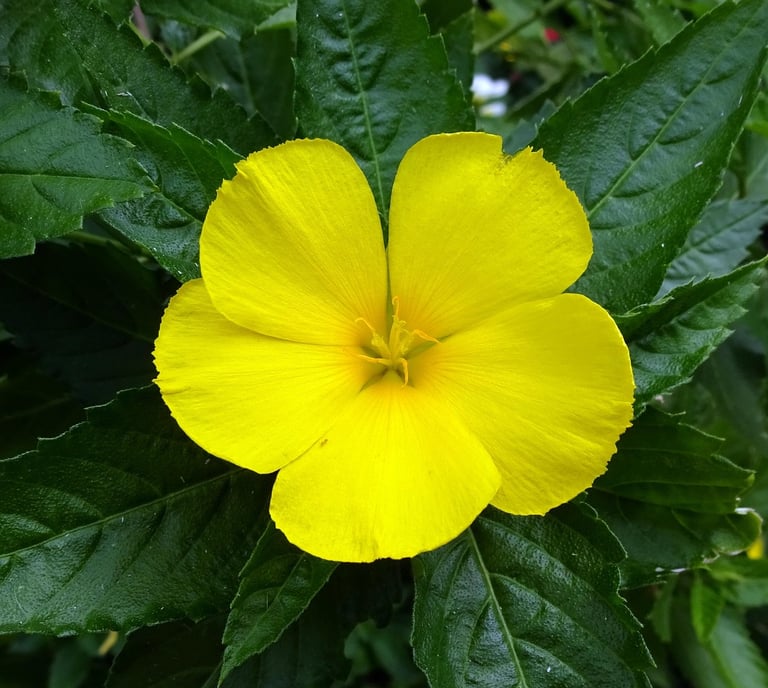
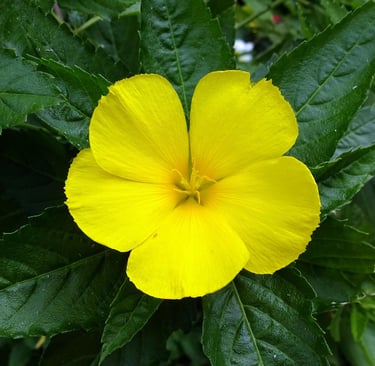
Damiana Tea: Traditional Uses, Preparation & Sensual Rituals
Introduction
Damiana has been traditionally used in herbal practices across cultures for centuries, valued for its aromatic warmth, uplifting presence, and association with pleasure, relaxation, and connection. Commonly prepared as a tea or infusion, damiana has long been incorporated into rituals centered around enjoyment, intimacy, and embodied awareness.
Within traditional herbal contexts, damiana is appreciated not as a daily tonic, but as a ritual herb—often chosen intentionally during moments that invite openness, creativity, and sensory engagement.
What Is Damiana?
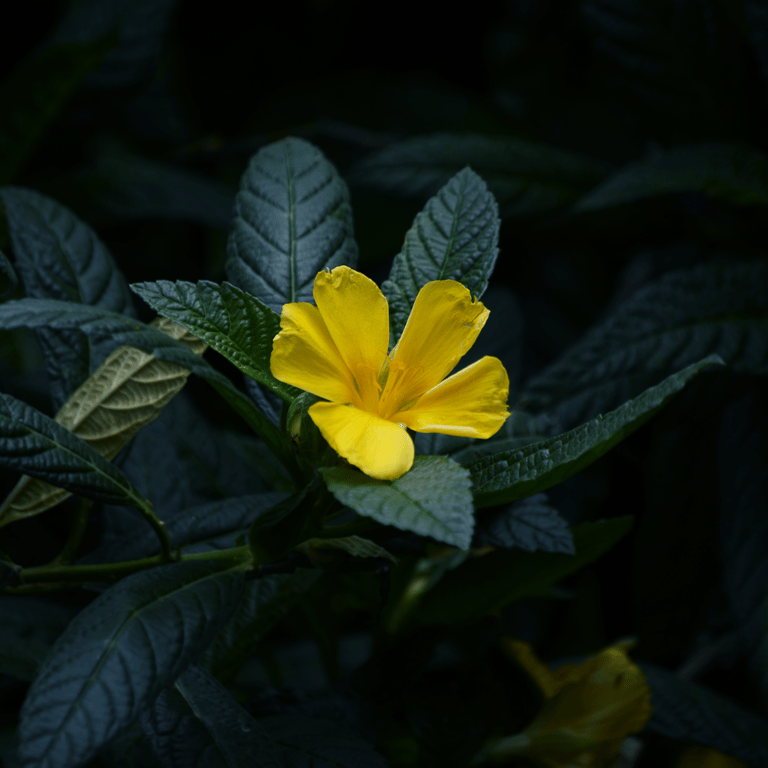
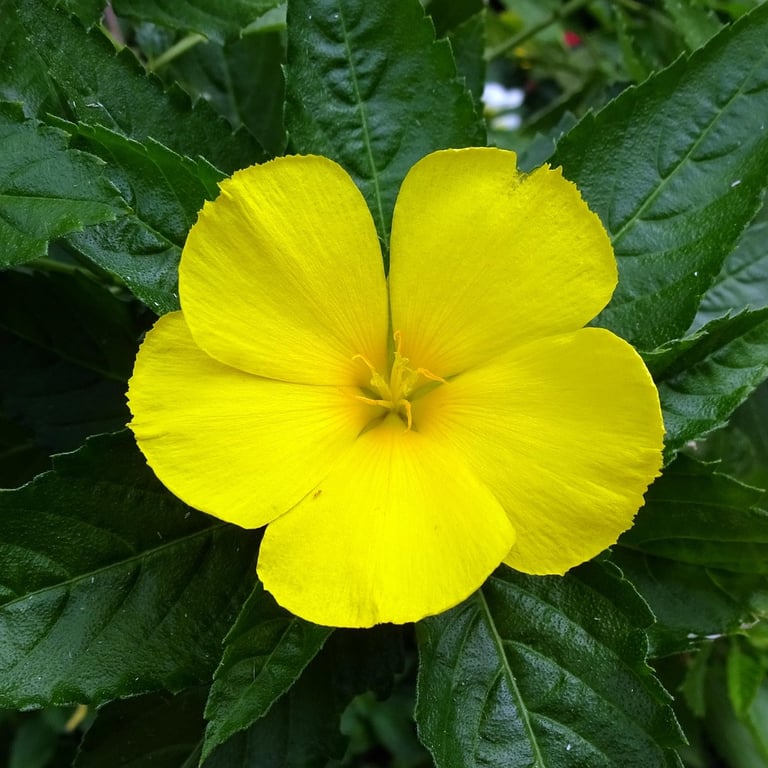
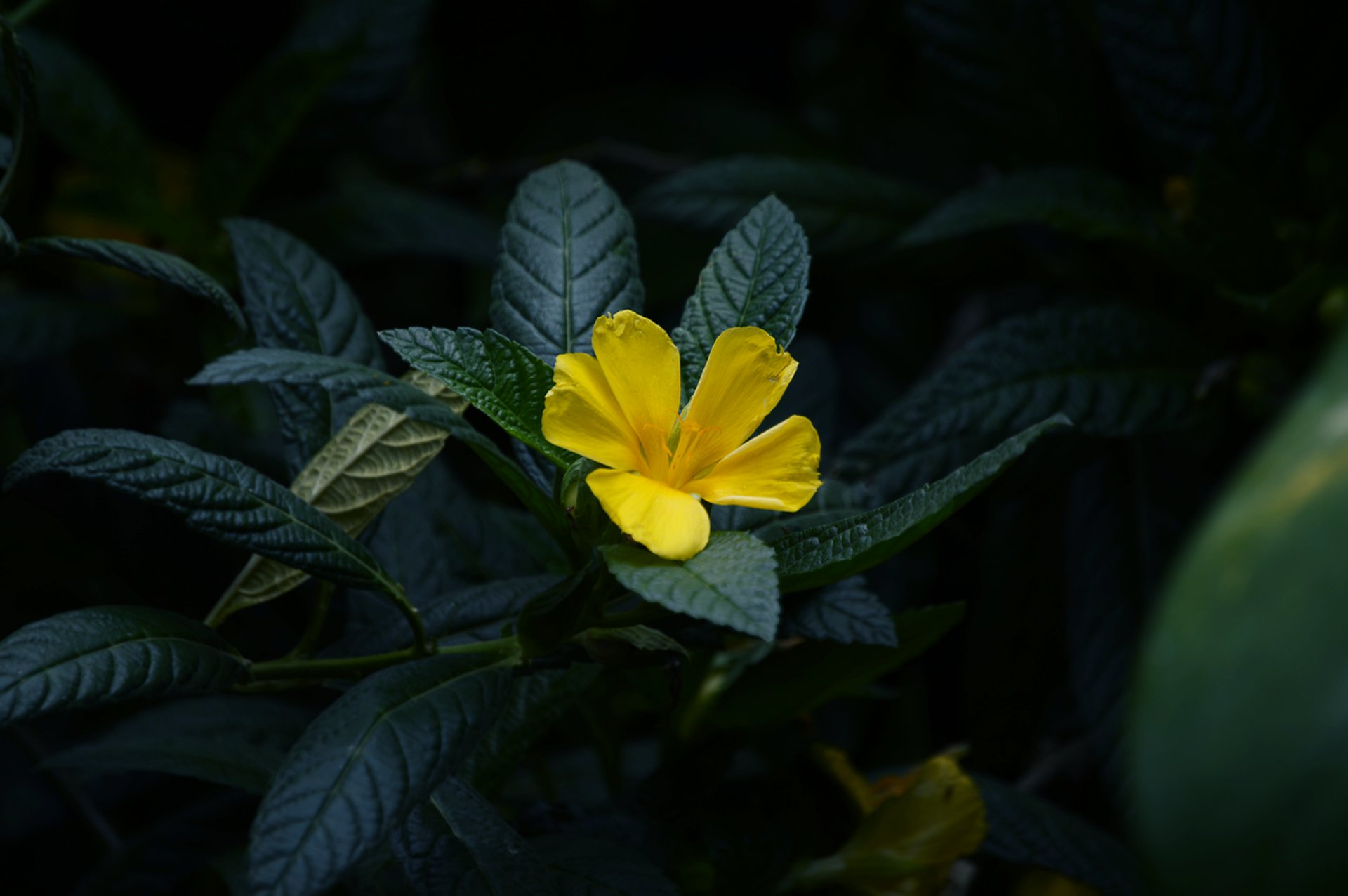
Damiana (Turnera diffusa) is a small shrub native to Central and South America, as well as parts of the Caribbean. In traditional herbal preparations, the leaves are the primary part used.
Damiana has a long history of use among Indigenous cultures, where it was valued for its aromatic qualities and role in ceremonial and social contexts. Its leaves are typically dried before being prepared as tea or included in ritual blends.
Traditional & Cultural Uses of Damiana
Damiana appears throughout many traditional systems and cultural practices:
Indigenous Mesoamerican traditions used damiana in ceremonial beverages and social rituals.
Folk herbal practices associated damiana with pleasure, relaxation, and connection.
Traditional celebrations often incorporated damiana during gatherings and shared rituals.
Symbolic traditions linked damiana with vitality, desire, and creative expression.
Across cultures, damiana was traditionally used to enhance experience and presence, rather than to address urgency or imbalance.
How Damiana Is Traditionally Prepared
Damiana is most often prepared as a tea or gentle infusion, allowing its aromatic and slightly bitter qualities to unfold.
Damiana Tea (Infusion)
This is the most common traditional preparation.
Traditional preparation method:
Add dried damiana leaves to hot (not boiling) water
Cover and steep for 10–15 minutes
Strain and enjoy warm
Damiana tea is often consumed slowly, as part of an intentional ritual.
Herbal Blends
Damiana is frequently paired with herbs such as:
Rose
Cacao
Cinnamon
These blends are traditionally associated with sensual, ceremonial, or heart-centered rituals.
Taste & Sensory Profile
Damiana has a slightly bitter, aromatic, and earthy flavor.
Sensory characteristics include:
Warm, herbaceous aroma
Mild bitterness
Smooth, lingering finish
Its complex taste reflects its traditional use as a ceremonial and sensory herb.
Ritual & Energetic Associations
Traditionally, damiana has been associated with:
Sensuality and pleasure
Creative energy
Emotional openness
Social and ceremonial connection
In ritual contexts, damiana symbolizes awakening through enjoyment. Preparing damiana tea has often been viewed as an invitation to slow down, feel more deeply, and engage fully with the present moment.
Damiana in Herbal Traditions Today
Today, damiana remains a respected botanical in traditional herbal education, particularly within guides focused on ritual, pleasure, and embodied living. Its continued use reflects an understanding that well-being includes joy, creativity, and connection.
Damiana reminds us that ritual can be celebratory—that presence, pleasure, and awareness are themselves forms of nourishment.
Related Herbal Guides
If you’re exploring damiana, you may also enjoy learning about:
Rose – heart-centered ceremonial traditions
Cacao – ritual warmth and connection
Mugwort – liminal and intuitive practices
(Part of the Flora Amora Herbal Knowledge Library.)
Damiana & Flora Amora
Damiana is featured in select Flora Amora herbal blends, thoughtfully paired with complementary botanicals to honor traditional preparation methods and sensual rituals.
Educational Disclaimer
This content is for educational purposes only and reflects traditional and cultural herbal practices. It is not intended to diagnose, treat, or cure any condition.