Enjoy 10% off on herbal remedies! Sign up Now!
Cinnamon
Cinnamon Tea: Traditional Uses, Preparation & Warming Rituals
12/30/20252 min read
Cinnamon Tea: Traditional Uses, Preparation & Warming Rituals
Introduction
Cinnamon has been traditionally used in herbal practices across cultures for thousands of years, valued for its warming aroma, comforting presence, and association with vitality and movement. Commonly prepared as a tea or decoction, cinnamon has long been incorporated into seasonal routines, ceremonial beverages, and daily rituals centered around warmth, grounding, and sensory activation.
Within traditional herbal contexts, cinnamon is appreciated not as a standalone focal herb, but as a supportive and amplifying botanical—often used to bring warmth, circulation, and cohesion to herbal blends and ritual preparations.
What Is Cinnamon?
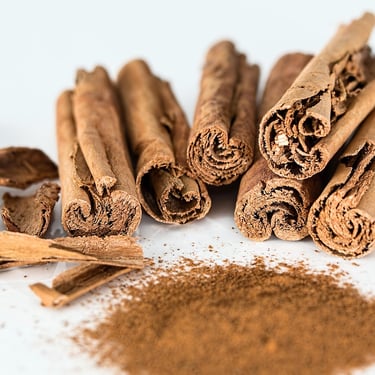
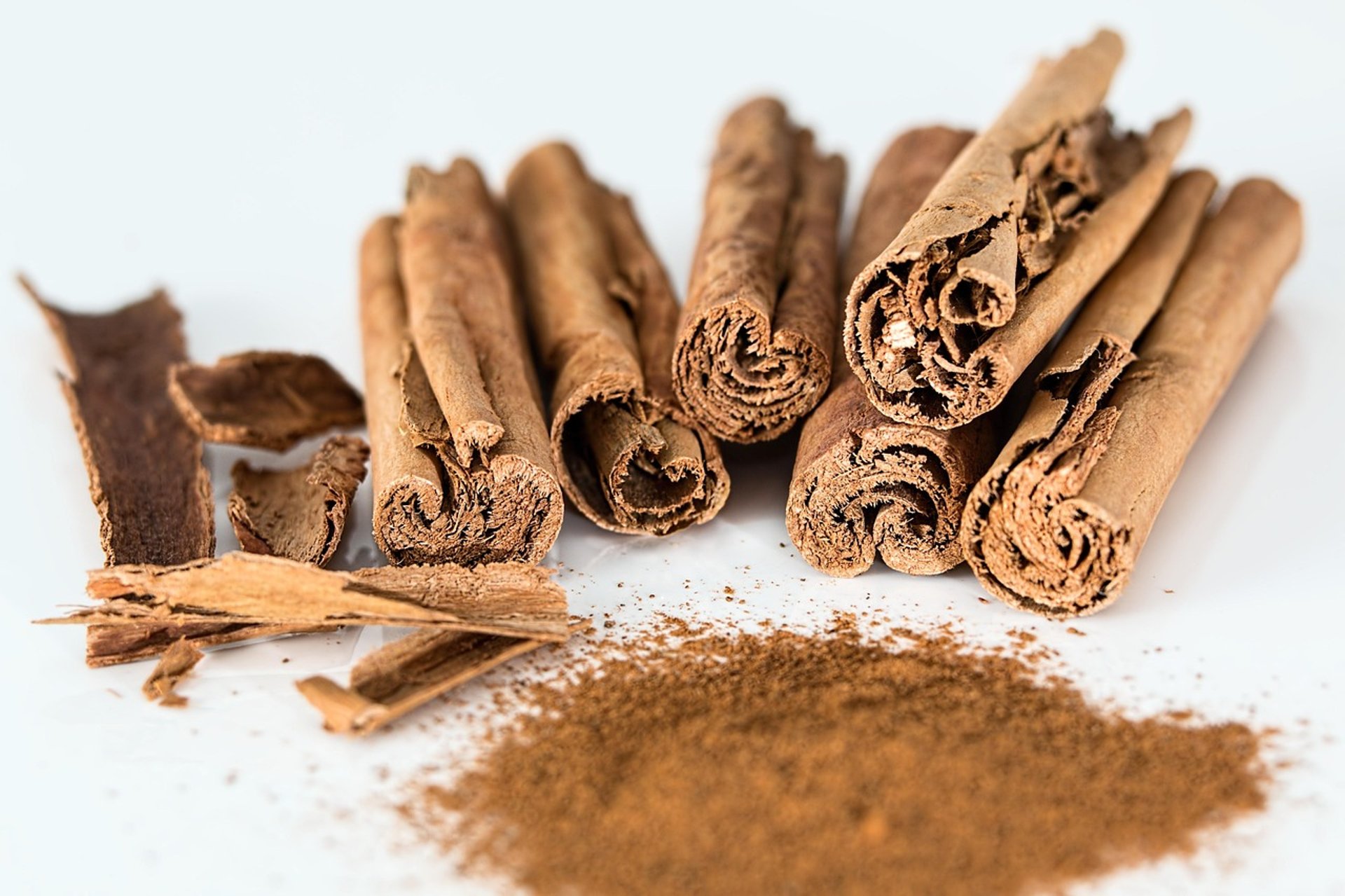
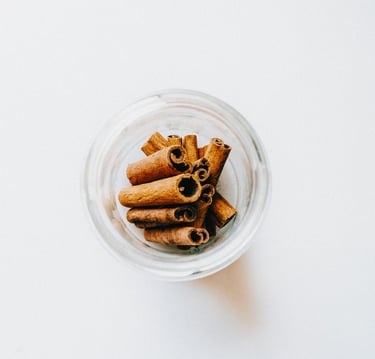
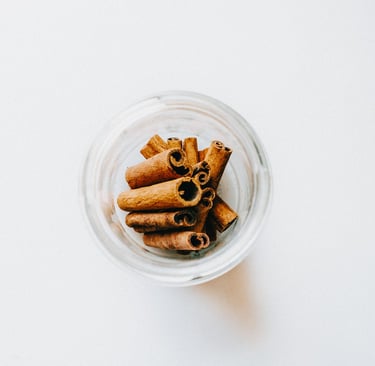
Cinnamon refers to the dried inner bark of trees from the Cinnamomum genus, most commonly Cinnamomum verum (often called Ceylon cinnamon) and Cinnamomum cassia. The bark is harvested, dried, and naturally curls into quills, which are then used whole or ground.
Cinnamon has been traded and revered for centuries, making it one of the most historically significant botanicals in global culinary and herbal traditions. Its aroma and warmth have long symbolized abundance, movement, and vitality.
Traditional & Cultural Uses of Cinnamon
Cinnamon appears throughout many traditional systems and cultural contexts:
Ancient Ayurvedic traditions incorporated cinnamon into warming and balancing preparations.
Traditional Chinese practices valued cinnamon bark in seasonal and vitality-focused rituals.
Middle Eastern and North African cultures used cinnamon in ceremonial drinks and spiced teas.
European folk traditions associated cinnamon with warmth, preservation, and winter rituals.
Across cultures, cinnamon was traditionally used during colder seasons or periods of stagnation, when warmth and movement were symbolically and practically emphasized.
How Cinnamon Is Traditionally Prepared
Cinnamon is most often prepared as a tea or decoction, allowing its aromatic compounds to infuse slowly into water.
Cinnamon Tea (Decoction)
Because cinnamon bark is firm, it is typically simmered rather than briefly steeped.
Traditional preparation method:
Add cinnamon sticks or crushed bark to water
Gently simmer for 10–20 minutes
Strain and enjoy warm
Herbal Blends
Cinnamon is frequently paired with herbs such as:
Ginger root
Licorice root
Cardamom
These blends are traditionally enjoyed as warming, comforting beverages or ceremonial drinks.
Taste & Sensory Profile
Cinnamon has a sweet, spicy, and warming flavor.
Sensory characteristics include:
Rich, aromatic scent
Gentle sweetness with spice
Lingering warmth
Its pleasant taste makes cinnamon a popular addition to both simple teas and complex herbal formulas.
Ritual & Energetic Associations
Traditionally, cinnamon has been associated with:
Warmth and movement
Vitality and circulation
Comfort and abundance
Seasonal grounding
In ritual contexts, cinnamon symbolizes activation and flow. Preparing cinnamon tea has often been viewed as an act of inviting warmth—physically, emotionally, and symbolically—into daily life.
Cinnamon in Herbal Traditions Today
Today, cinnamon remains a widely respected botanical in both herbal education and cultural practice. Its versatility and familiarity make it an essential bridge between culinary use and intentional herbal ritual.
Cinnamon reminds us that warmth is not only a physical sensation, but a felt experience of comfort, presence, and connection.
Related Herbal Guides
If you’re exploring cinnamon, you may also enjoy learning about:
Ginger Root – traditionally paired for warming rituals
Licorice Root – harmonizing and sweetening in blends
Cardamom – aromatic depth in ceremonial teas
(Part of the Flora Amora Herbal Knowledge Library.)
Cinnamon & Flora Amora
Cinnamon is featured in select Flora Amora herbal blends, thoughtfully paired with complementary botanicals to honor traditional preparation methods and warming rituals.
Educational Disclaimer
This content is for educational purposes only and reflects traditional and cultural herbal practices. It is not intended to diagnose, treat, or cure any condition.