Enjoy 10% off on herbal remedies! Sign up Now!

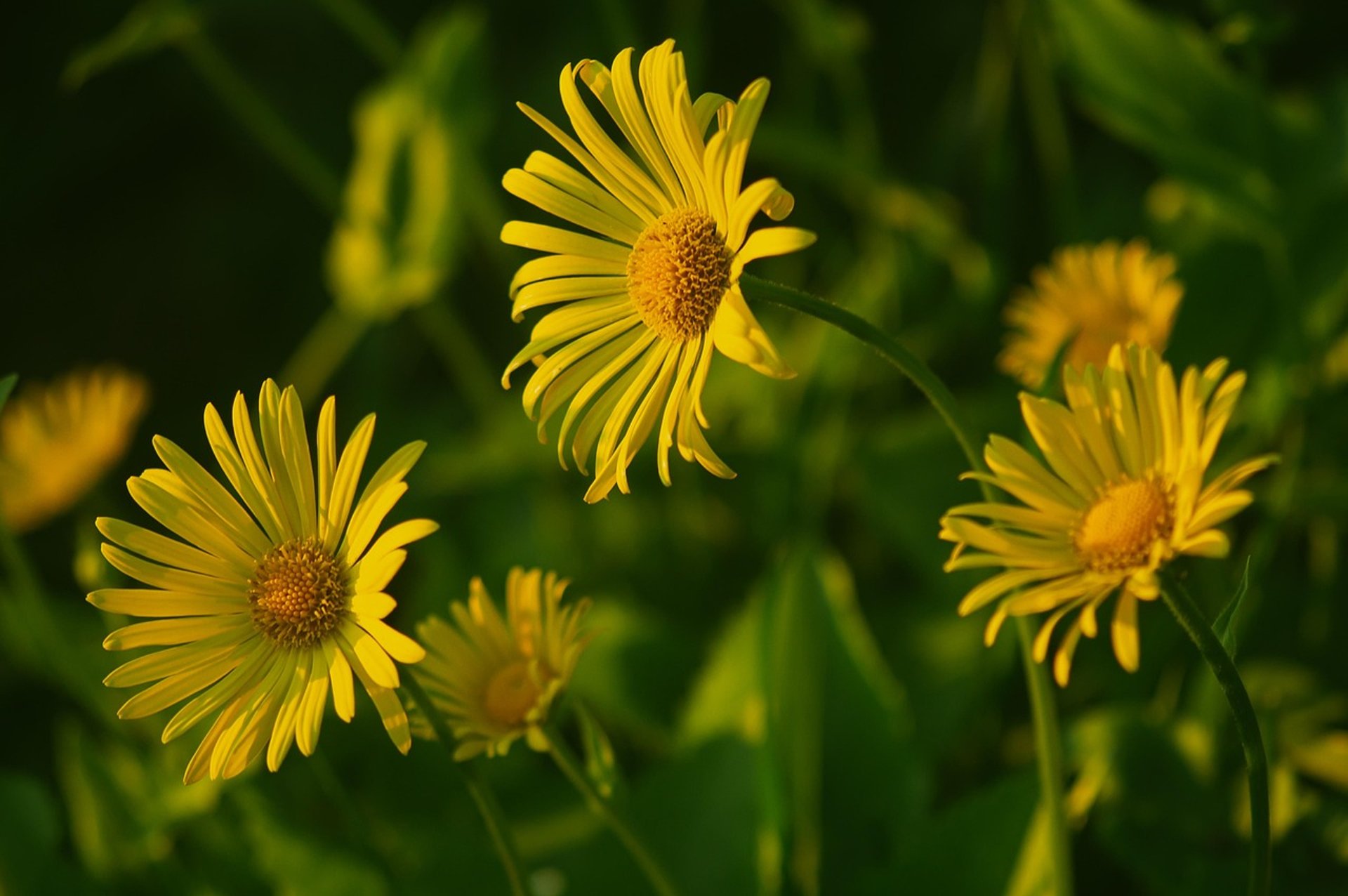
Chamomile
Chamomile Tea: Traditional Uses, Preparation & Herbal Rituals
12/28/20252 min read
CHAMOMILE TEA: TRADITIONAL USES, PREPARATION & HERBAL RITUALS
Introduction
Chamomile has been traditionally used in herbal practices across many cultures for centuries. Known for its gentle nature and aromatic qualities, chamomile has long been incorporated into daily rituals, evening teas, and moments of intentional rest.
This guide explores chamomile through traditional and cultural use, preparation methods, taste profile, and the symbolic role it has played in herbal traditions around the world.
What Is Chamomile?
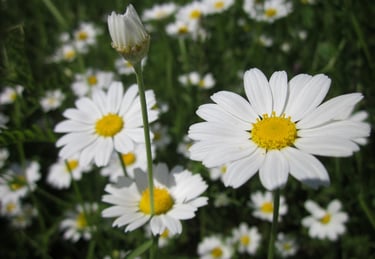
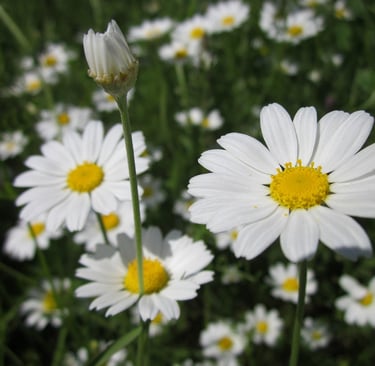
Chamomile is a flowering plant belonging to the Asteraceae family. The two most commonly referenced varieties in traditional herbal practices are German chamomile (Matricaria chamomilla) and Roman chamomile (Chamaemelum nobile).
The flowers are the primary part of the plant traditionally used. Once harvested and dried, chamomile flowers are commonly prepared as teas, infusions, or blended with other botanicals.
Chamomile has been valued not only for its pleasant aroma and flavor, but also for its gentle nature, making it one of the most widely used herbs in traditional herbalism.
Traditional & Cultural Uses of Chamomile
Chamomile has a rich history across multiple cultures:
European traditions often included chamomile as a daily herbal tea, especially in the evening.
Ancient Egyptian practices valued chamomile for its connection to the sun and renewal.
Middle Eastern and Mediterranean cultures incorporated chamomile into household herbal preparations.
Folk herbal traditions passed chamomile down as a plant associated with comfort, grounding, and calm rituals.
Rather than being used for one singular purpose, chamomile historically served as a general household herb, often brewed during moments of rest, reflection, or transition.
How Chamomile Is Traditionally Prepared
Chamomile is most commonly prepared as a herbal tea, though preparation styles vary by culture and preference.
Chamomile Tea (Infusion)
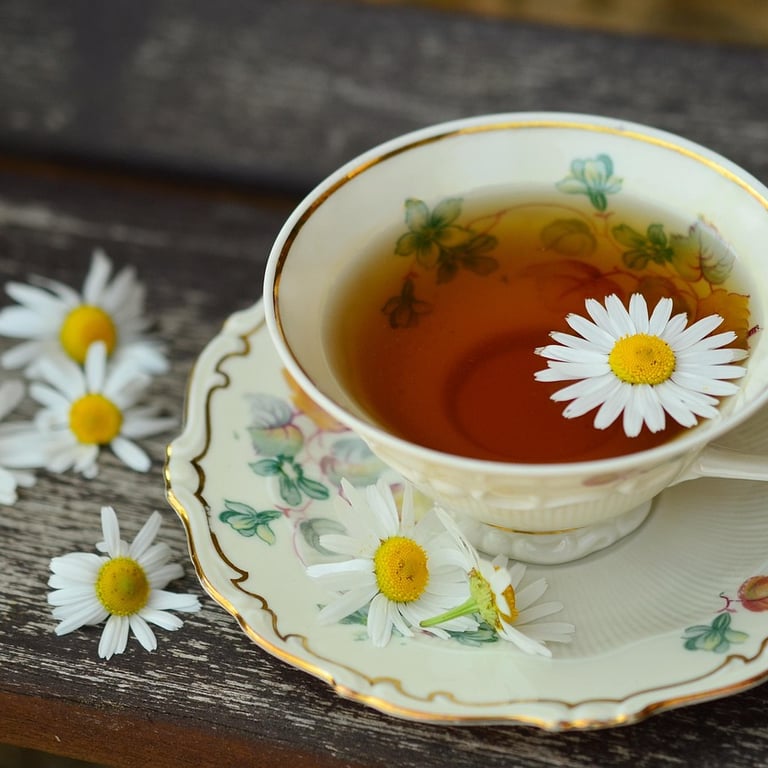
The most traditional preparation involves steeping dried chamomile flowers in hot water.
Basic preparation method:
Add dried chamomile flowers to hot (not boiling) water
Cover and steep for 5–10 minutes
Strain and enjoy warm
Herbal Blends
Chamomile is frequently blended with other herbs such as:
Lavender
Lemon balm
Rose
These blends are often used in evening or wind-down rituals.
Cold Infusions
In some traditions, chamomile is steeped slowly in cool water over several hours, resulting in a lighter, floral infusion.
Taste & Sensory Profile
Chamomile is known for its mild, floral, and slightly sweet flavor.
Sensory characteristics include:
Soft floral aroma
Light apple-like notes
Smooth, gentle mouthfeel
Because of its approachable taste, chamomile is often one of the first herbs people explore when beginning their herbal journey.
Ritual & Energetic Associations
Beyond preparation, chamomile carries strong symbolic and ritual associations.
Traditionally, chamomile has been linked to:
Evening routines
Stillness and reflection
Gentle transitions between day and night
In many cultures, preparing chamomile tea became a ritual of slowing down—a moment to pause, reflect, and reconnect with oneself.
Chamomile is often associated with:
Softness
Ease
Emotional grounding
Calm environments
These qualities made it a common presence in bedtime rituals, quiet gatherings, and moments of introspection.
Chamomile in Herbal Traditions Today
Today, chamomile continues to be one of the most widely recognized herbs globally. Its longstanding role in herbal culture makes it a cornerstone of many modern herbal guides and botanical collections.
While modern lifestyles move quickly, chamomile remains a reminder of slower rhythms, encouraging intentional pauses and mindful preparation.
Related Herbal Guides
If you’re exploring chamomile, you may also enjoy learning about:
Lavender – traditionally associated with aroma and evening rituals
Lemon Balm – a gentle herb commonly used in calming blends
Hibiscus – known for its vibrant color and cultural significance
(These guides are part of the Flora Amora Herbal Knowledge Library.)
Chamomile & Flora Amora
Chamomile is also featured in select Flora Amora tea blends, crafted with organic herbs and intentional sourcing to honor traditional preparation and mindful rituals.
Educational Disclaimer
This content is for educational purposes only and reflects traditional and cultural herbal practices. It is not intended to diagnose, treat, or cure any condition.