Enjoy 10% off on herbal remedies! Sign up Now!

Calendula
Calendula Tea: Traditional Uses, Preparation & Gentle Rituals
12/30/20252 min read
Calendula Tea: Traditional Uses, Preparation & Gentle Rituals
Introduction
Calendula has been traditionally used in herbal practices across cultures for centuries, valued for its vibrant color, gentle nature, and association with care and restoration. Commonly prepared as a tea or infusion, calendula has long been incorporated into routines centered around softness, patience, and attentive nourishment.
Within traditional herbal contexts, calendula is appreciated not for strength or intensity, but for its gentle and supportive presence—often chosen when tenderness, warmth, and gradual restoration are emphasized.
What Is Calendula?
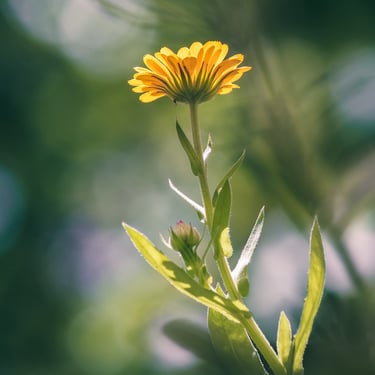
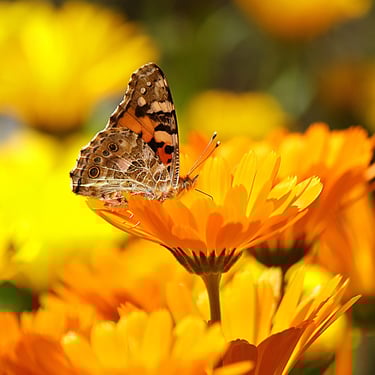
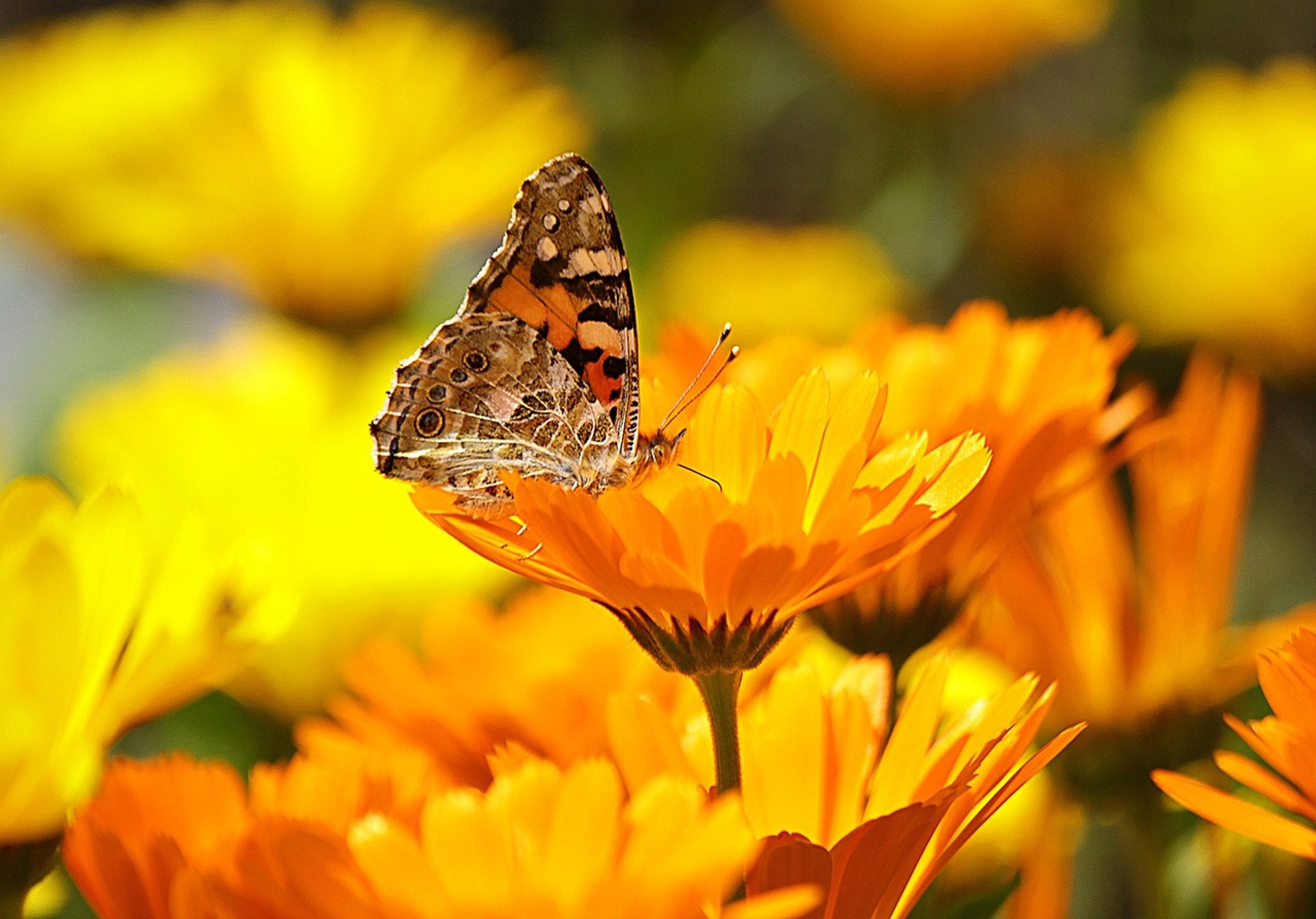
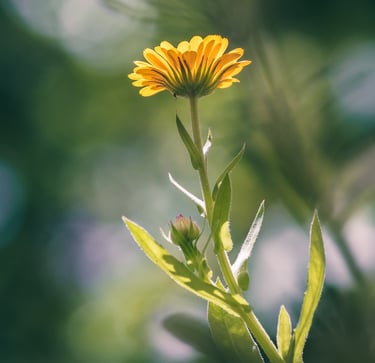
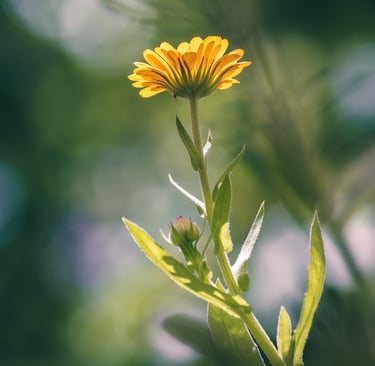
Calendula (Calendula officinalis), often referred to as pot marigold, is a flowering plant native to southern Europe and widely cultivated around the world. In traditional herbal preparations, the bright orange or yellow flower petals are the primary part used.
Calendula has been grown in household gardens for generations, valued not only for its beauty but also for its long-standing role in culinary, cosmetic, and herbal traditions.
Traditional & Cultural Uses of Calendula
Calendula appears throughout many historical and folk traditions:
European folk herbalism used calendula in gentle teas and topical preparations.
Monastic and household gardens often cultivated calendula for everyday care rituals.
Traditional food-herb practices incorporated calendula petals into broths and infusions.
Symbolic traditions associated calendula with the sun, warmth, and steady renewal.
Across cultures, calendula was traditionally used when soft care and consistency were valued over urgency or force.
How Calendula Is Traditionally Prepared
Calendula is most often prepared as a gentle infusion, allowing its delicate properties to be preserved.
Calendula Tea (Infusion)
This is the most common traditional preparation.
Traditional preparation method:
Add dried calendula petals to hot (not boiling) water
Cover and steep for 5–10 minutes
Strain and enjoy warm
Because calendula petals are delicate, shorter steeping times are typically preferred.
Herbal Blends
Calendula is frequently paired with herbs such as:
Chamomile
Linden flower
Rose
These blends are traditionally enjoyed as calming, gentle rituals.
Taste & Sensory Profile
Calendula has a mild, slightly earthy, and subtly floral flavor.
Sensory characteristics include:
Soft, green aroma
Gentle bitterness
Clean, light finish
Its understated taste makes calendula well-suited for blending and regular use.
Ritual & Energetic Associations
Traditionally, calendula has been associated with:
Gentle care and protection
Warmth and reassurance
Slow restoration
Attentive nourishment
In ritual contexts, calendula symbolizes care through presence. Preparing calendula tea has often been viewed as an act of tenderness—supporting the body and spirit through patience and consistency.
Calendula in Herbal Traditions Today
Today, calendula remains a respected botanical in traditional herbal education. Its continued use reflects the understanding that restoration often unfolds gradually and is supported through gentle, repeated practices.
Calendula reminds us that healing rituals do not need to be intense to be effective—they can be soft, luminous, and steady.
Related Herbal Guides
If you’re exploring calendula, you may also enjoy learning about:
Chamomile – gentle and familiar herbal traditions
Rose – heart-centered and ceremonial practices
Linden Flower – comforting and calming rituals
(Part of the Flora Amora Herbal Knowledge Library.)
Calendula & Flora Amora
Calendula is featured in select Flora Amora herbal blends, thoughtfully paired with complementary botanicals to honor traditional preparation methods and gentle rituals.
Educational Disclaimer
This content is for educational purposes only and reflects traditional and cultural herbal practices. It is not intended to diagnose, treat, or cure any condition.