Enjoy 10% off on herbal remedies! Sign up Now!
Cacao
Cacao Tea: Traditional Uses, Preparation & Ceremonial Traditions
12/30/20252 min read
Cacao Tea: Traditional Uses, Preparation & Ceremonial Traditions
Introduction
Cacao has been traditionally used in cultural and ceremonial practices for thousands of years, valued for its rich flavor, warming presence, and symbolic connection to community, ritual, and the heart. Commonly prepared as a tea or ceremonial beverage, cacao has long been incorporated into gatherings centered around reflection, connection, and intentional presence.
Within traditional contexts, cacao is appreciated not as a casual beverage, but as a ceremonial plant—often prepared with care and consumed with intention during meaningful moments.
What Is Cacao?
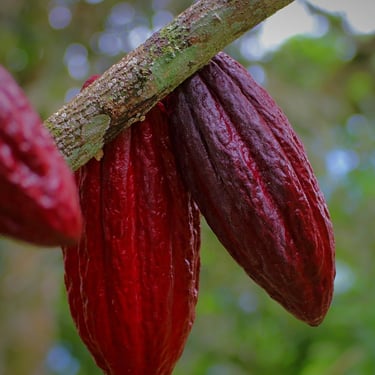
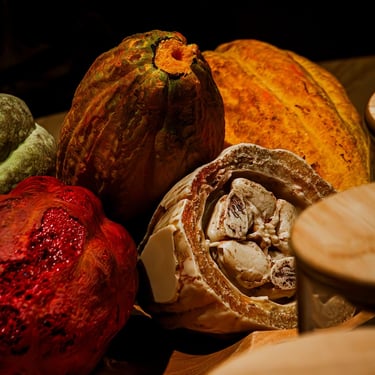
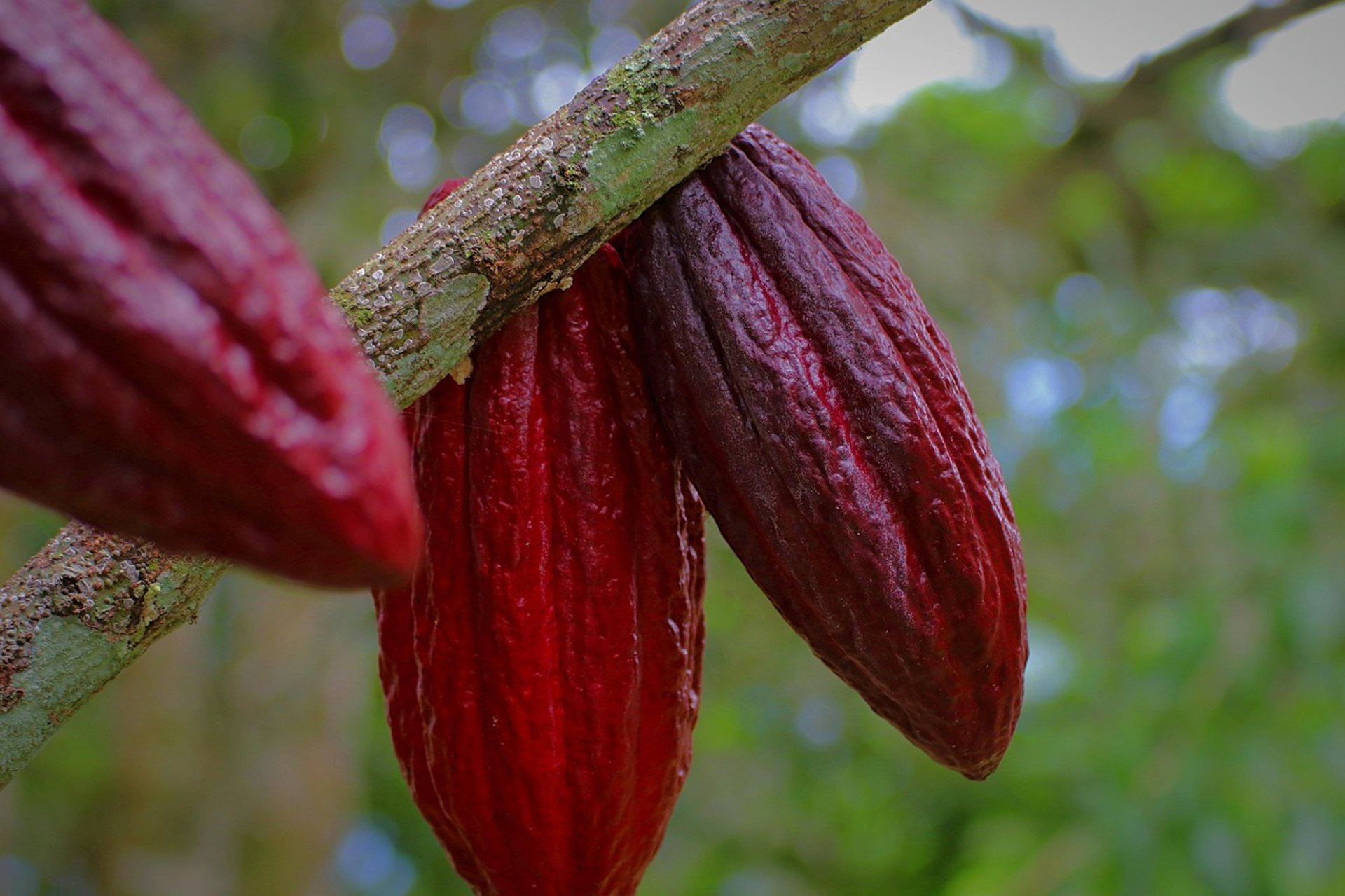
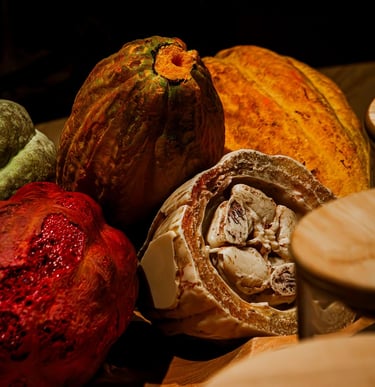
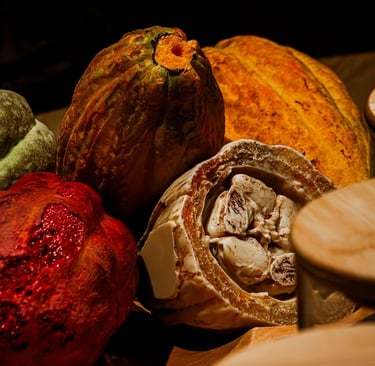
Cacao comes from the seeds of the cacao tree (Theobroma cacao), native to Central and South America. The word Theobroma translates to “food of the gods,” reflecting cacao’s long-standing cultural and symbolic importance.
In traditional preparations, the fermented, dried, and lightly roasted seeds are ground into a paste or powder. Unlike highly processed cocoa products, traditional cacao preparations retain a fuller spectrum of the plant’s original character.
Traditional & Cultural Uses of Cacao
Cacao holds a prominent place in many historical and cultural traditions:
Mesoamerican civilizations, including the Maya and Aztec, used cacao in ceremonial drinks and sacred rituals.
Community gatherings often centered around cacao preparation and sharing.
Spiritual and symbolic traditions associated cacao with the heart, gratitude, and collective connection.
Ritual practices used cacao to mark transitions, celebrations, and moments of reflection.
Across cultures, cacao was traditionally used to open space for connection and awareness, rather than for stimulation or routine consumption.
How Cacao Is Traditionally Prepared
Cacao is prepared in ways that honor its richness and ceremonial nature.
Cacao Tea (Ceremonial Preparation)
Traditional cacao tea is gently heated rather than boiled.
Traditional preparation method:
Add cacao paste or powder to warm (not boiling) water
Whisk or stir gently until dissolved
Enjoy warm, often in a quiet or ceremonial setting
Spices such as cinnamon or cardamom are sometimes added, depending on cultural tradition.
Ceremonial Blends
Cacao is frequently paired with botanicals such as:
Cinnamon
Cardamom
Rose
These additions are traditionally chosen to enhance aroma, warmth, and symbolic intention.
Taste & Sensory Profile
Cacao has a rich, bitter, and deeply aromatic flavor.
Sensory characteristics include:
Earthy, chocolate-forward aroma
Natural bitterness balanced by warmth
Full-bodied, grounding finish
Its robust profile encourages slow sipping and mindful engagement.
Ritual & Energetic Associations
Traditionally, cacao has been associated with:
Heart-centered awareness
Community and connection
Ceremony and gratitude
Presence and reflection
In ritual contexts, cacao symbolizes connection through warmth. Preparing cacao tea has often been viewed as an act of opening—inviting intention, dialogue, and shared experience.
Cacao in Herbal Traditions Today
Today, cacao continues to be honored in ceremonial herbal education and intentional living practices. Its revival reflects a desire to reconnect with ritual, community, and mindful consumption.
Cacao reminds us that nourishment is not only physical, but emotional, social, and symbolic—woven through presence and shared experience.
Related Herbal Guides
If you’re exploring cacao, you may also enjoy learning about:
Damiana – sensual and ceremonial rituals
Rose – heart-centered traditions
Cinnamon – warming and aromatic pairings
(Part of the Flora Amora Herbal Knowledge Library.)
Cacao & Flora Amora
Cacao is featured in select Flora Amora ceremonial blends, thoughtfully paired with complementary botanicals to honor traditional preparation methods and heart-centered rituals.
Educational Disclaimer
This content is for educational purposes only and reflects traditional and cultural practices. It is not intended to diagnose, treat, or cure any condition.