Enjoy 10% off on herbal remedies! Sign up Now!
Blue Vervain
Blue Vervain Tea: Traditional Uses, Preparation & Balancing Rituals
12/30/20252 min read
Blue Vervain Tea: Traditional Uses, Preparation & Balancing Rituals
Introduction
Blue vervain has been traditionally used in herbal practices across cultures for centuries, valued for its bitter profile, upright growth, and association with balance, discipline, and release. Commonly prepared as a tea or infusion, blue vervain has long been incorporated into routines centered around grounding excess energy, restoring equilibrium, and creating space for clarity.
Within traditional herbal contexts, blue vervain is appreciated not as a comforting or indulgent herb, but as a corrective and balancing botanical—often chosen during times of tension, overexertion, or internal imbalance.
What Is Blue Vervain?
Blue vervain (Verbena hastata) is a perennial flowering plant native to North America, growing in moist meadows and along riverbanks. In traditional herbal preparations, the aerial parts—leaves, stems, and flowering tops—are most commonly used.
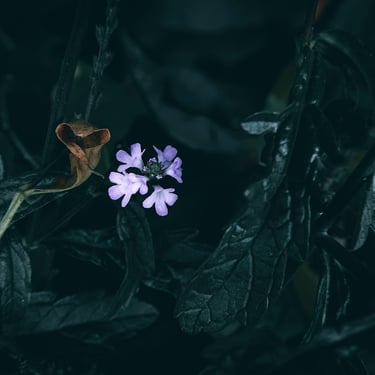
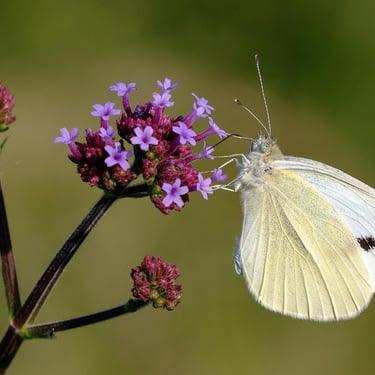
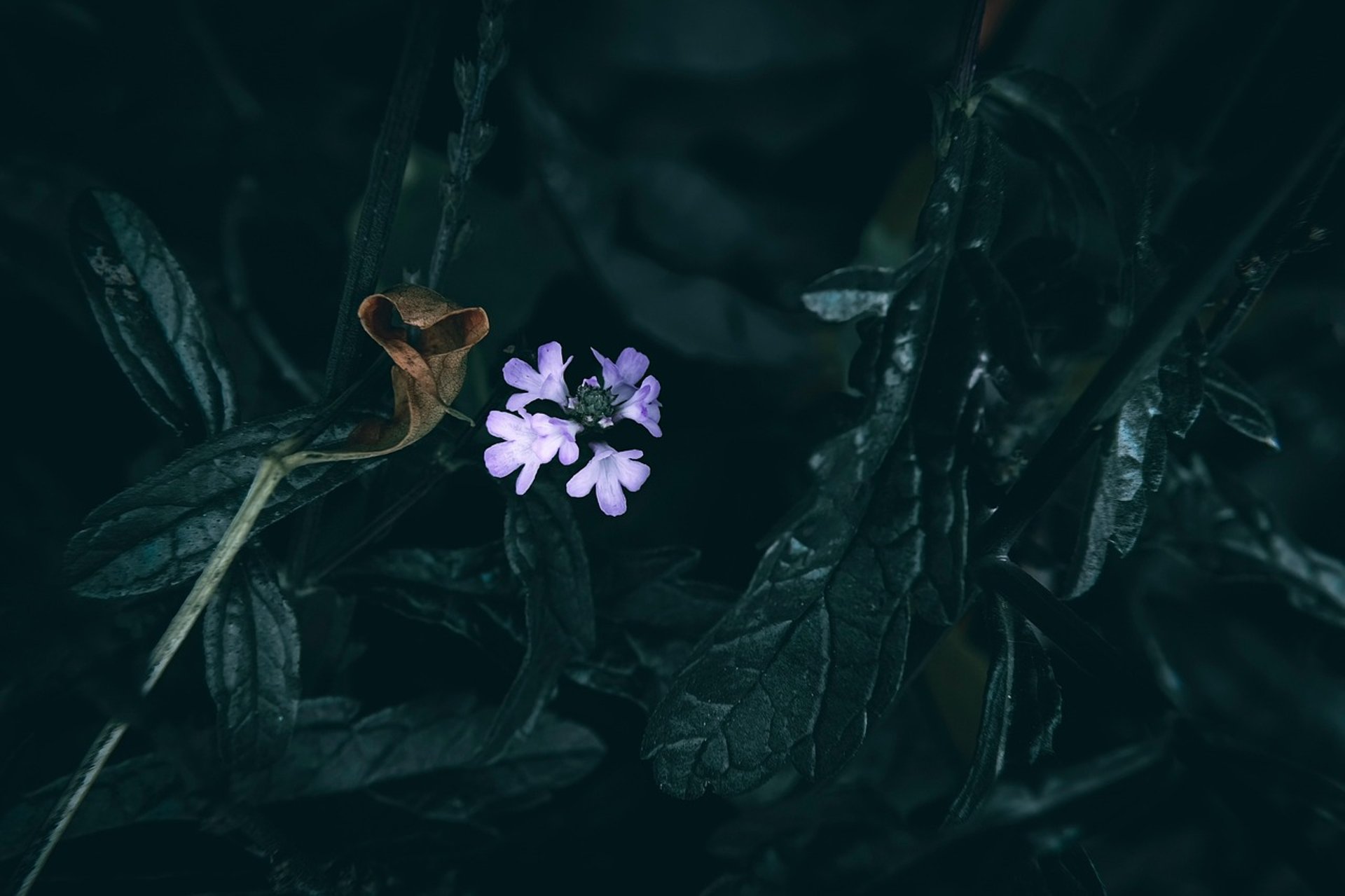
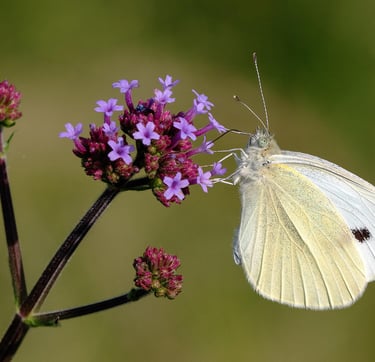
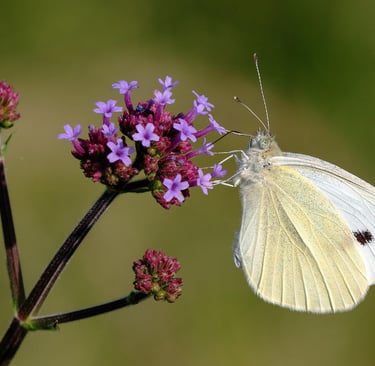
The plant is recognized by its tall, slender stalks and clusters of small blue-purple flowers. Its bitter taste and structured growth have historically contributed to its symbolic association with order and alignment.
Traditional & Cultural Uses of Blue Vervain
Blue vervain appears throughout many traditional systems:
Indigenous North American traditions used blue vervain in ceremonial and grounding preparations.
European-influenced folk herbalism valued vervain as an herb of balance and regulation.
Traditional household practices incorporated blue vervain during periods of stress or excess.
Ritual traditions associated vervain with purification, truth, and emotional release.
Across cultures, blue vervain was traditionally used to bring excess back into balance, rather than to soothe or stimulate.
How Blue Vervain Is Traditionally Prepared
Blue vervain is most often prepared as a tea or infusion, allowing its bitterness to emerge gently.
Blue Vervain Tea (Infusion)
This is the most common traditional preparation.
Traditional preparation method:
Add dried blue vervain herb to hot (not boiling) water
Cover and steep for 10–15 minutes
Strain and enjoy warm
Because of its bitterness, blue vervain is traditionally consumed in small quantities or blended with milder herbs.
Herbal Blends
Blue vervain is frequently paired with herbs such as:
Lemon balm
Skullcap
Linden flower
These blends are traditionally used to soften blue vervain’s intensity while maintaining its balancing character.
Taste & Sensory Profile
Blue vervain has a distinctly bitter, earthy, and drying flavor.
Sensory characteristics include:
Sharp, herbaceous aroma
Strong bitterness
Clean, clarifying finish
Its assertive taste reflects its traditional use as an herb of discipline and correction.
Ritual & Energetic Associations
Traditionally, blue vervain has been associated with:
Balance and regulation
Emotional release
Discipline and order
Clearing excess
In ritual contexts, blue vervain symbolizes realignment. Preparing blue vervain tea has often been viewed as an act of restoring order—bringing scattered or overwhelmed states back into coherence.
Blue Vervain in Herbal Traditions Today
Today, blue vervain remains a respected botanical in traditional herbal education, particularly within guides focused on balance, boundaries, and nervous system regulation. Its continued use reflects an understanding that sometimes support comes through structure, not softness.
Blue vervain reminds us that clarity is often achieved by releasing excess and returning to center.
Related Herbal Guides
If you’re exploring blue vervain, you may also enjoy learning about:
Skullcap – calming and stabilizing traditions
Lemon Balm – gentle balancing rituals
Yarrow – boundaries and folk traditions
(Part of the Flora Amora Herbal Knowledge Library.)
Blue Vervain & Flora Amora
Blue vervain is featured in select Flora Amora herbal blends, thoughtfully paired with complementary botanicals to honor traditional preparation methods and balancing rituals.
Educational Disclaimer
This content is for educational purposes only and reflects traditional and cultural herbal practices. It is not intended to diagnose, treat, or cure any condition.