Enjoy 10% off on herbal remedies! Sign up Now!
Blue Lotus
Blue Lotus Tea: Traditional Uses, Preparation & Ceremonial Traditions
12/30/20252 min read
Blue Lotus Tea: Traditional Uses, Preparation & Ceremonial Traditions
Introduction
Blue lotus has been traditionally used in ceremonial and cultural practices for thousands of years, valued for its symbolic beauty, aromatic presence, and association with contemplation and altered states of awareness. Commonly prepared as a tea, infusion, or ceremonial beverage, blue lotus has long been incorporated into rituals centered around reflection, transition, and elevated perception.
Within traditional contexts, blue lotus is appreciated not as a daily herb, but as a ceremonial botanical—often reserved for intentional moments that invite stillness, introspection, and symbolic connection.
What Is Blue Lotus?
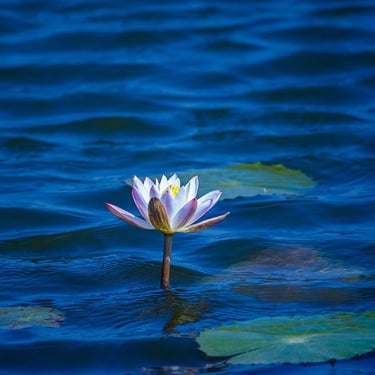
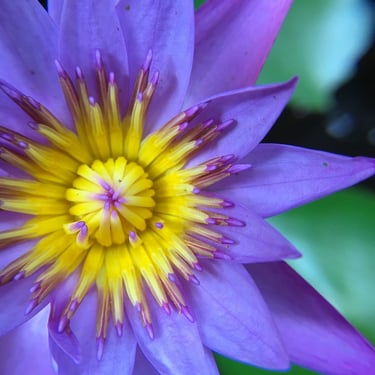
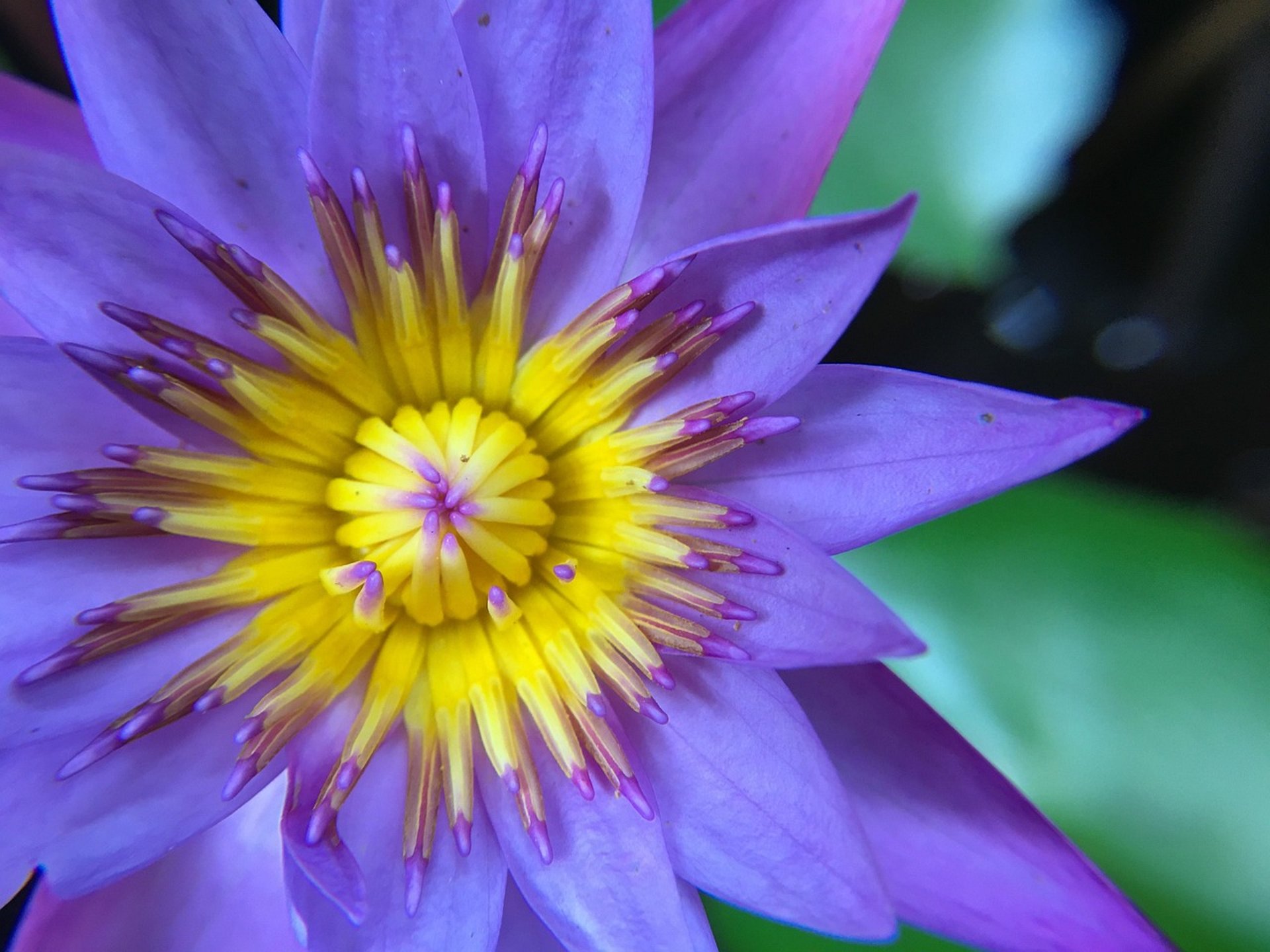
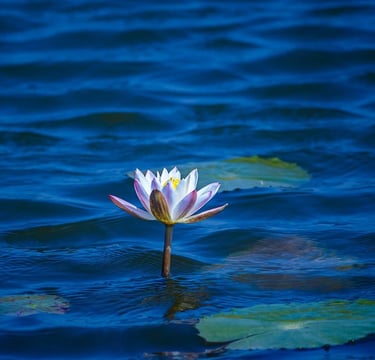
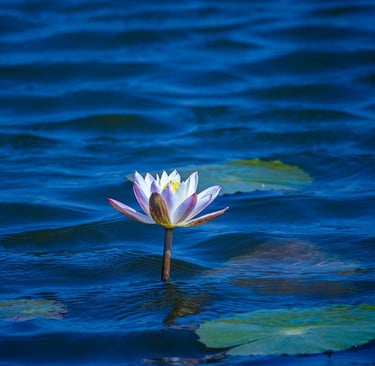
Blue lotus (Nymphaea caerulea) is a water lily native to regions of ancient Egypt and parts of Africa. In traditional preparations, the flowers, particularly the petals and stamens, are the primary parts used.
Blue lotus grows in calm freshwater environments and blooms during daylight hours, closing at night. Its striking appearance and subtle fragrance contributed to its long-standing role in both ritual art and ceremonial use.
Traditional & Cultural Uses of Blue Lotus
Blue lotus holds a prominent place in historical traditions:
Ancient Egyptian culture revered blue lotus as a sacred flower associated with spirituality, rebirth, and divine connection.
Ceremonial practices often used blue lotus in ritual beverages during spiritual gatherings.
Symbolic art and mythology depicted blue lotus as a bridge between the earthly and the divine.
Traditional folk uses incorporated blue lotus during rites of passage and contemplative practices.
Across cultures, blue lotus was traditionally used to mark liminal states—the space between waking and dreaming, silence and insight.
How Blue Lotus Is Traditionally Prepared
Blue lotus is prepared in ways that preserve its aromatic and symbolic qualities.
Blue Lotus Tea (Infusion)
This is one of the most common traditional preparations.
Traditional preparation method:
Add dried blue lotus petals to hot (not boiling) water
Cover and steep for 10–15 minutes
Strain and enjoy warm
Ceremonial Preparations
Historically, blue lotus was also infused into ceremonial beverages or combined with other botanicals during ritual use. These preparations were typically reserved for intentional, guided settings.
Taste & Sensory Profile
Blue lotus has a light, floral, and subtly sweet flavor.
Sensory characteristics include:
Delicate floral aroma
Soft, mildly sweet taste
Smooth, calming finish
Its gentle sensory profile contributes to its ceremonial appeal rather than everyday use.
Ritual & Energetic Associations
Traditionally, blue lotus has been associated with:
Spiritual insight and contemplation
Dreamlike and liminal states
Sacred ritual and symbolism
Stillness and introspection
In ritual contexts, blue lotus symbolizes awakening through stillness. Preparing blue lotus tea has often been viewed as an act of ceremonial presence—inviting reflection rather than action.
Blue Lotus in Herbal Traditions Today
Today, blue lotus continues to be referenced in ceremonial herbal education and symbolic practices. Its historical significance and ritual framing have influenced modern interpretations centered around mindfulness, introspection, and intentional ceremony.
Blue lotus reminds us that some herbs are not meant for routine, but for moments of pause, reverence, and inner listening.
Related Herbal Guides
If you’re exploring blue lotus, you may also enjoy learning about:
Mugwort – traditionally associated with dream and liminal rituals
Passionflower – gentle evening and transition practices
Linden Flower – softening and calming traditions
(Part of the Flora Amora Herbal Knowledge Library.)
Blue Lotus & Flora Amora
Blue lotus is featured in select Flora Amora ceremonial blends, thoughtfully paired with complementary botanicals to honor traditional preparation methods and ritual use.
Educational Disclaimer
This content is for educational purposes only and reflects traditional and cultural herbal practices. It is not intended to diagnose, treat, or cure any condition.