Enjoy 10% off on herbal remedies! Sign up Now!
Bee Pollen
Bee Pollen: Traditional Uses, Preparation & Nourishing Traditions
12/30/20252 min read
Bee Pollen: Traditional Uses, Preparation & Nourishing Traditions
Introduction
Bee pollen has been traditionally used across cultures for centuries, valued for its dense nutritional profile, golden color, and association with vitality and nourishment. Collected by bees from flowering plants, bee pollen has long been incorporated into daily routines and seasonal practices centered around sustenance, resilience, and respect for natural cycles.
Within traditional contexts, bee pollen is appreciated not as a quick remedy, but as a concentrated food-source—often used mindfully in small amounts as part of intentional nourishment rituals.
What Is Bee Pollen?
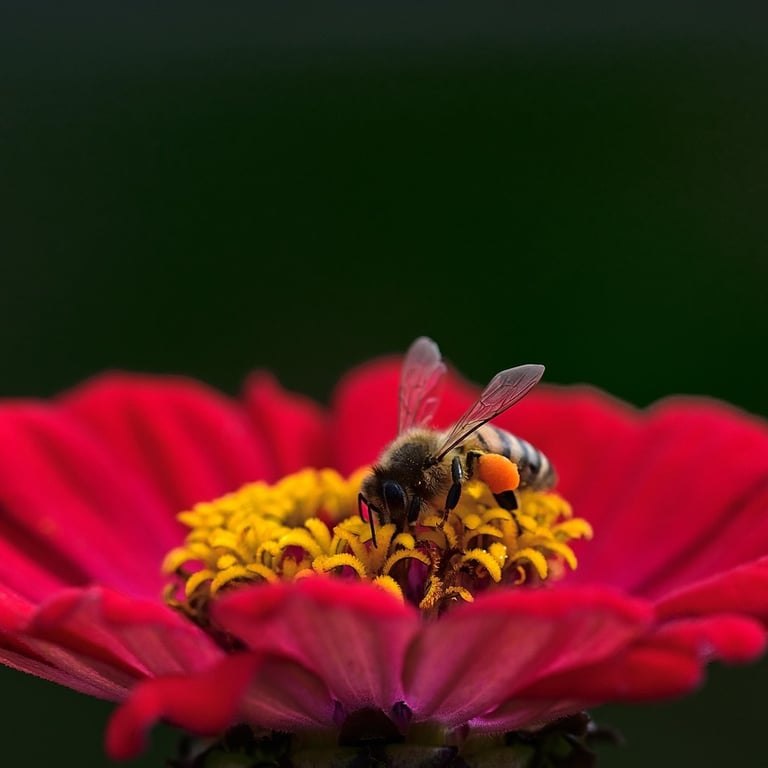
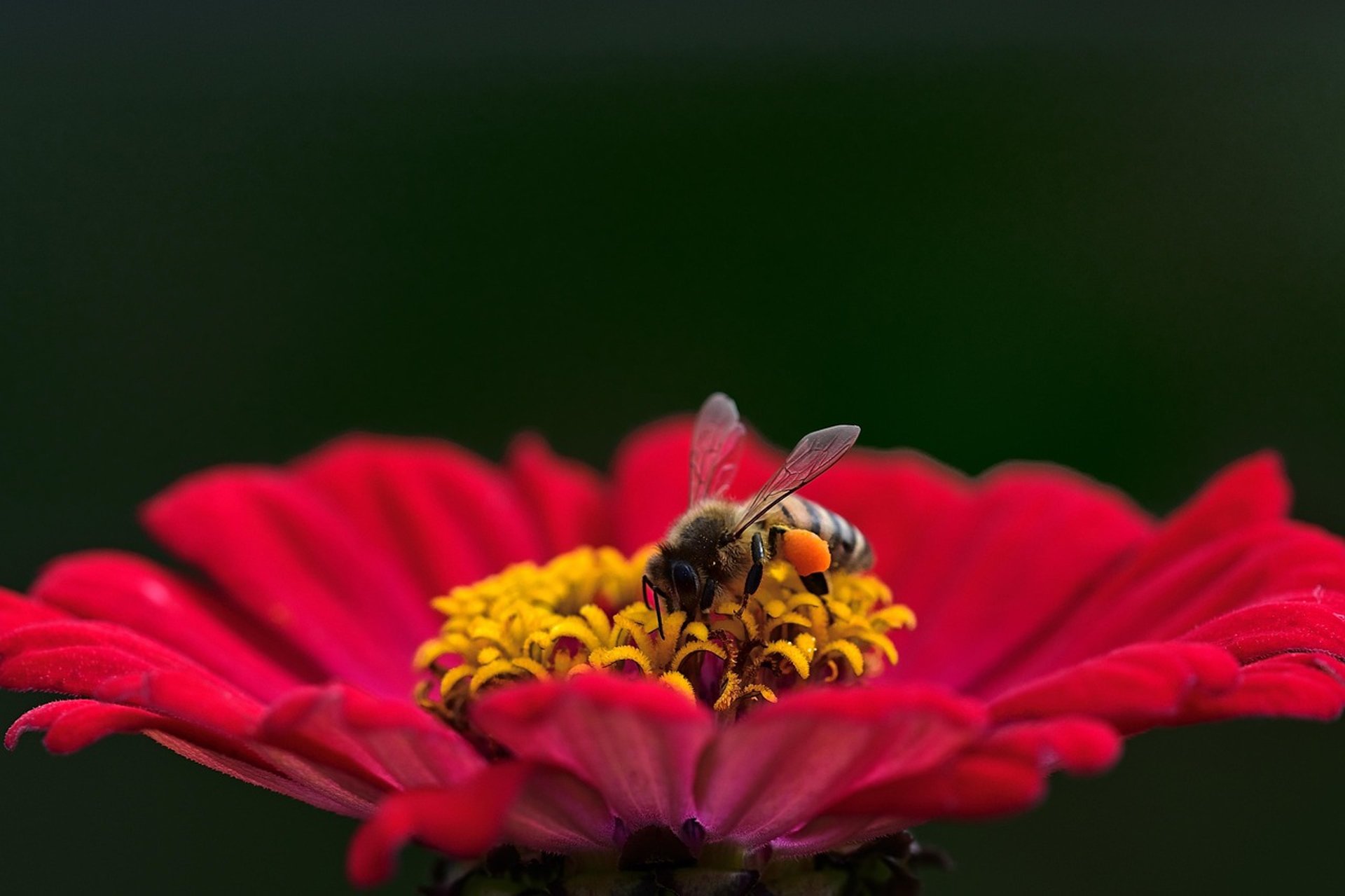
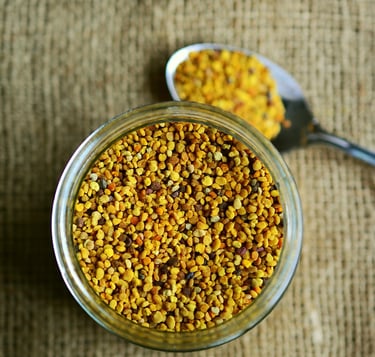
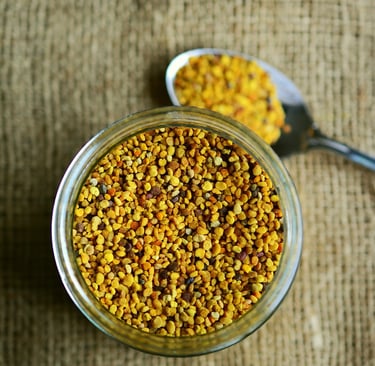
Bee pollen is a natural substance formed when honeybees collect pollen from flowering plants and combine it with nectar and enzymes. The resulting granules are carried back to the hive and stored as a primary food source for the colony.
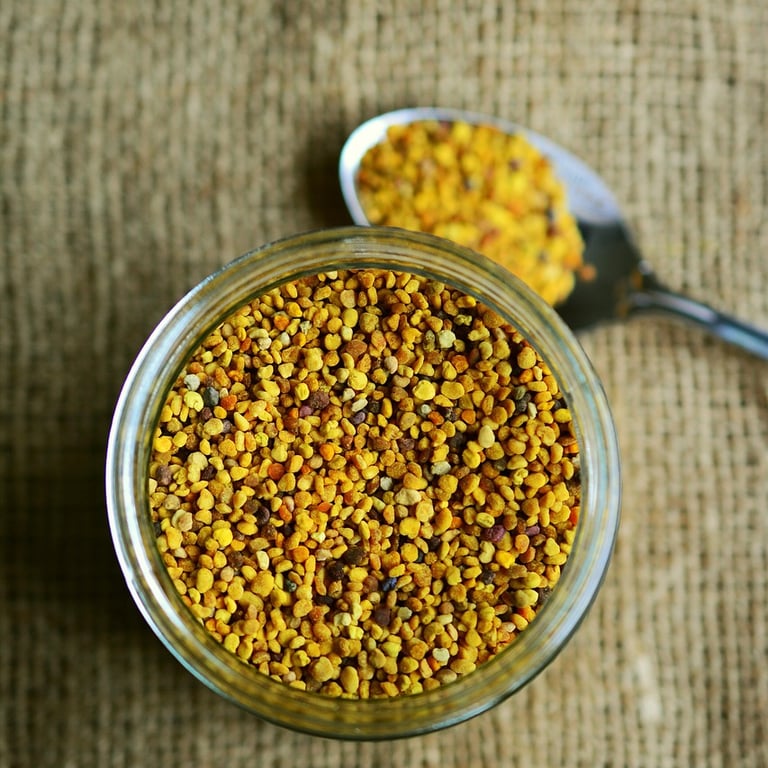
In traditional human use, bee pollen is harvested carefully from hives, dried, and consumed in its granulated form. Its composition reflects the diversity of plants in the surrounding environment, making bee pollen deeply connected to local ecosystems and seasonal bloom cycles.
Traditional & Cultural Uses of Bee Pollen
Bee pollen appears throughout many historical and folk traditions:
Ancient cultures regarded bee products as sacred gifts from nature.
Traditional nourishment practices incorporated bee pollen as a strengthening food.
Seasonal routines used bee pollen during times of renewal, such as spring.
Symbolic traditions associated bee pollen with fertility, vitality, and abundance.
Across cultures, bee pollen was traditionally used to supplement nourishment, emphasizing respect for natural sources of sustenance rather than excess consumption.
How Bee Pollen Is Traditionally Prepared
Bee pollen is not typically brewed as a tea, but rather consumed in its natural form or gently incorporated into foods and beverages.
Traditional Ways to Use Bee Pollen
Sprinkled over warm (not hot) foods
Added to smoothies or blended drinks
Mixed with honey
Consumed alone in small amounts
Traditionally, bee pollen is introduced slowly and used in modest quantities.
Taste & Sensory Profile
Bee pollen has a mildly sweet, floral, and slightly earthy flavor.
Sensory characteristics include:
Light honey-like aroma
Subtle bitterness depending on floral source
Soft crunch when granulated
Its taste varies based on the plants from which the pollen is collected.
Ritual & Energetic Associations
Traditionally, bee pollen has been associated with:
Vitality and nourishment
Abundance and fertility
Seasonal renewal
Harmony with nature
In ritual contexts, bee pollen symbolizes life-force through collaboration—a reminder of the interconnectedness between plants, pollinators, and human nourishment.
Bee Pollen in Traditional Practices Today
Today, bee pollen continues to be used as a whole-food supplement in traditional nourishment practices. Its appeal lies in its simplicity and density—offering nourishment derived directly from flowering plants and pollinator ecosystems.
Bee pollen reminds us that nourishment can be concentrated, intentional, and deeply connected to nature, rather than excessive or artificial.
Related Herbal Guides
If you’re exploring bee pollen, you may also enjoy learning about:
Raw Honey – traditional sweetness and preservation
Cacao – ceremonial nourishment and connection
Rosehip – seasonal vitality traditions
(Part of the Flora Amora Herbal Knowledge Library.)
Bee Pollen & Flora Amora
Bee pollen is featured in select Flora Amora offerings, thoughtfully sourced and presented to honor traditional nourishment practices and ecological respect.
Educational Disclaimer
This content is for educational purposes only and reflects traditional and cultural practices. It is not intended to diagnose, treat, or cure any condition.